Local Service Information
Gold Bar
A small town along the Skykomish River and US-2 in the Cascade foothills.
County: Snohomish County
ZIP Codes Served: 98251
Neighborhoods: The small town core along US-2 and the Skykomish River
Nearby Communities: Index, Sultan, Startup
Common Property Types: Predominantly single-family homes on larger and rural lots, with some farm and acreage properties; commercial property is limited to small retail and civic buildings.
Local Tree & Landscape Notes: Mountain and heavily forested setting with large conifers including Douglas fir, western hemlock, and western red cedar. Steep terrain, limited access, and large trees are key considerations for planning and rigging.
Permit Considerations: Permit requirements vary depending on tree size, species, protected areas, shoreline regulations, critical areas, and local municipal code. Always verify current requirements with the local jurisdiction before beginning work.
Climate: Marine west coast climate typical of the Puget Sound region: mild, wet winters and warm, relatively dry summers, with most rainfall from fall through spring. Occasional wind, snow, and ice events and seasonal soil saturation influence tree health and the timing of tree work.
Gold Bar sits along US-2 and the Skykomish River at the foot of the Cascades in Snohomish County, where colder winters and higher elevation bring real, repeated snowfall rather than the occasional dusting of the lowlands. Homeowners on the town’s rural and acreage lots near the gateway to Wallace Falls State Park expect several plowable storms a season and long, exposed driveways that need clearing to stay reachable. Here snow management is a genuine winter routine, not a rare event.
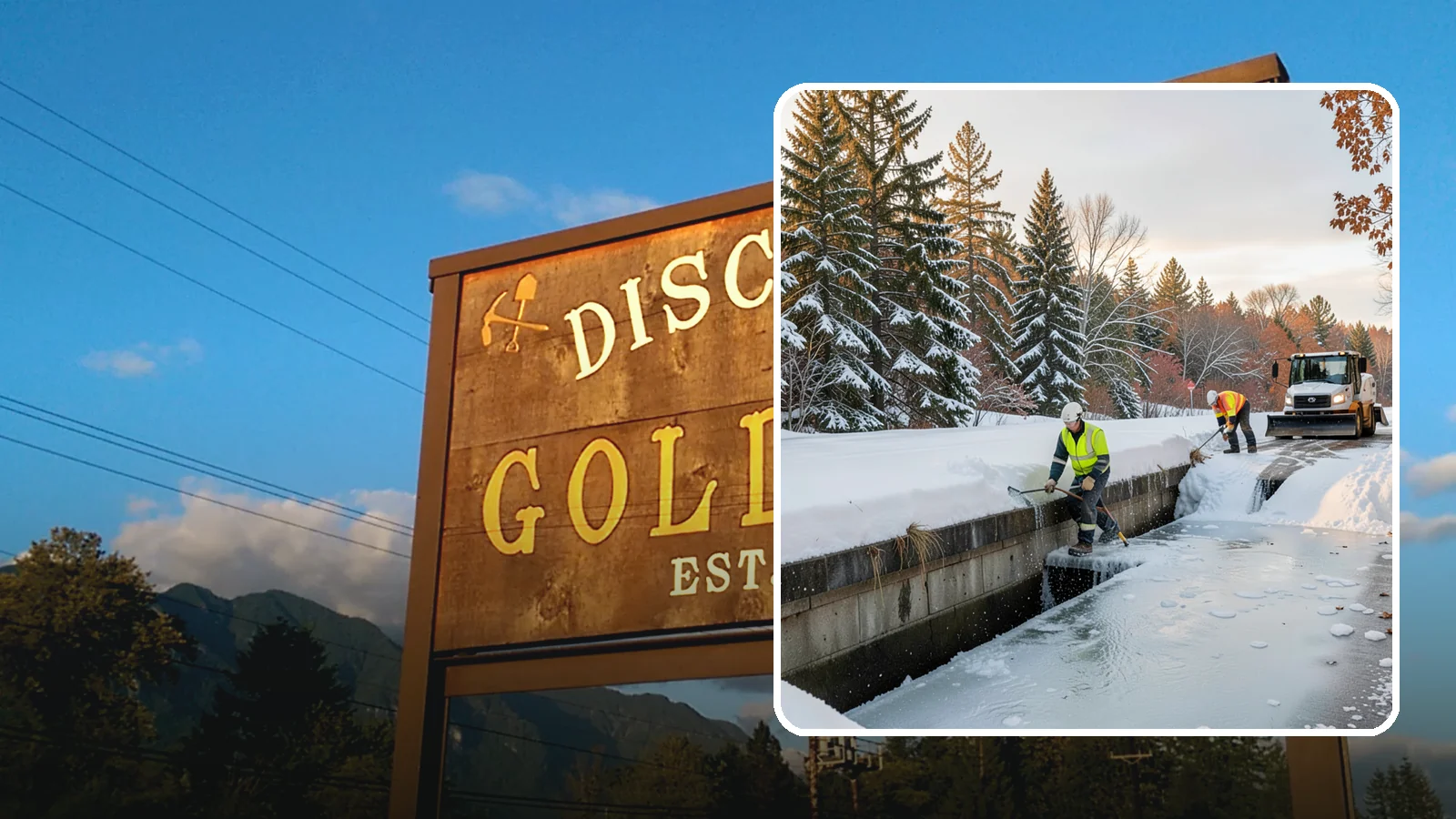
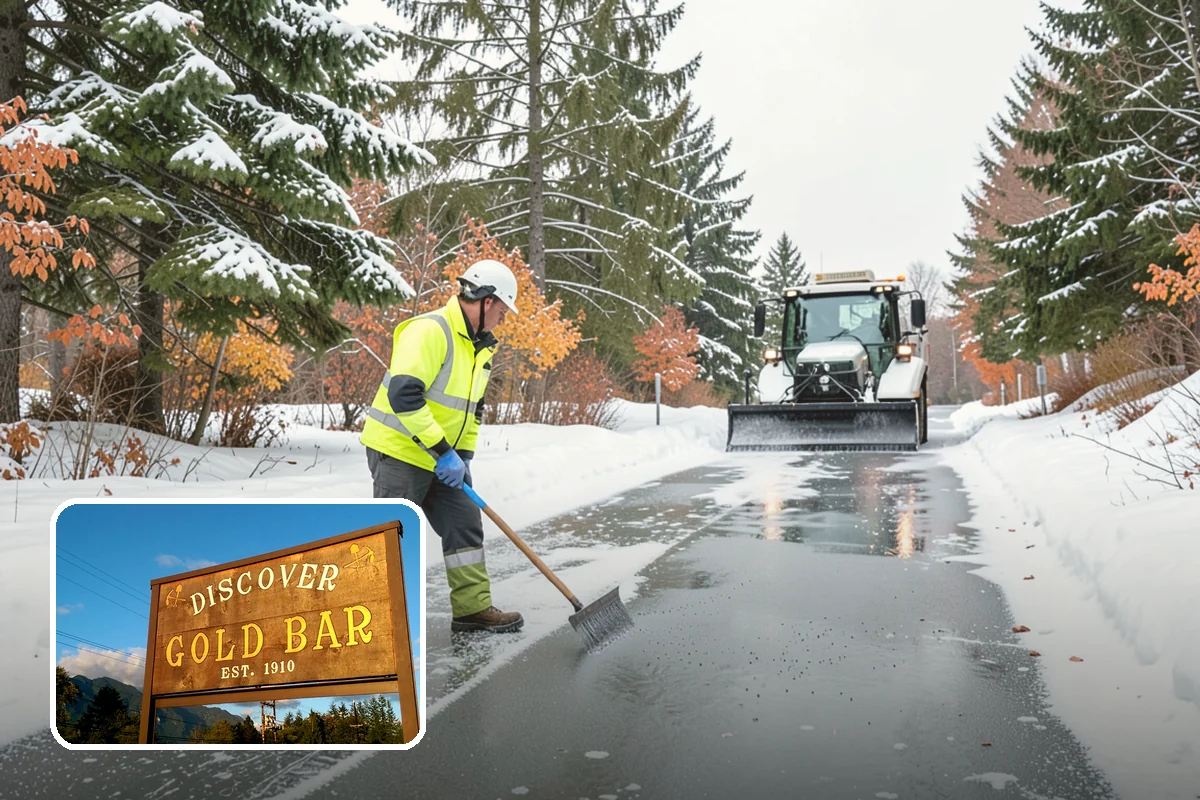
Snow service in Gold Bar means real plowing: long gravel and paved driveways off US-2, farm and acreage access lanes, and the small retail and civic frontages in the town core. With mountain storms that can stack up overnight, the work centers on repeat plow passes, keeping culverts and turnarounds open, and de-icing the shaded river-valley stretches that stay frozen for days.
Site Conditions: Set at Cascade-foothill elevation where winters run colder and snow falls more often, Gold Bar properties face deep accumulation, hard freeze-thaw, and long stretches of shaded ice along the Skykomish River bottom. Driveways here are frequently long, gravel, and tree-lined, so crews plan for snow depth, soft shoulders, and the ice that lingers where sunlight never reaches.
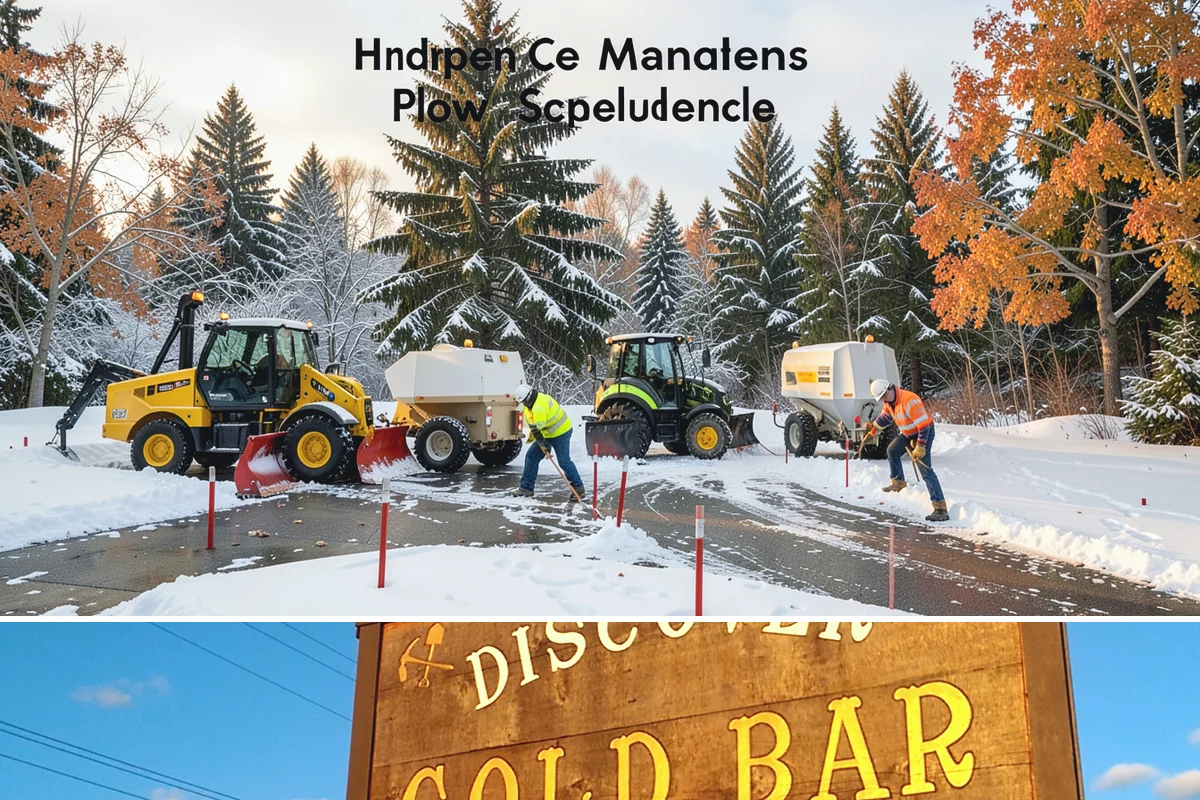
Seasonal Considerations: The Gold Bar snow season is long, often running from November into March with multiple accumulating storms and periodic cold that keeps snow on the ground. Owners here plan for seasonal plowing contracts, staked driveway edges so a blade can find gravel lanes under deep snow, and stockpiled de-icer for the repeated refreeze that mountain valleys deliver.
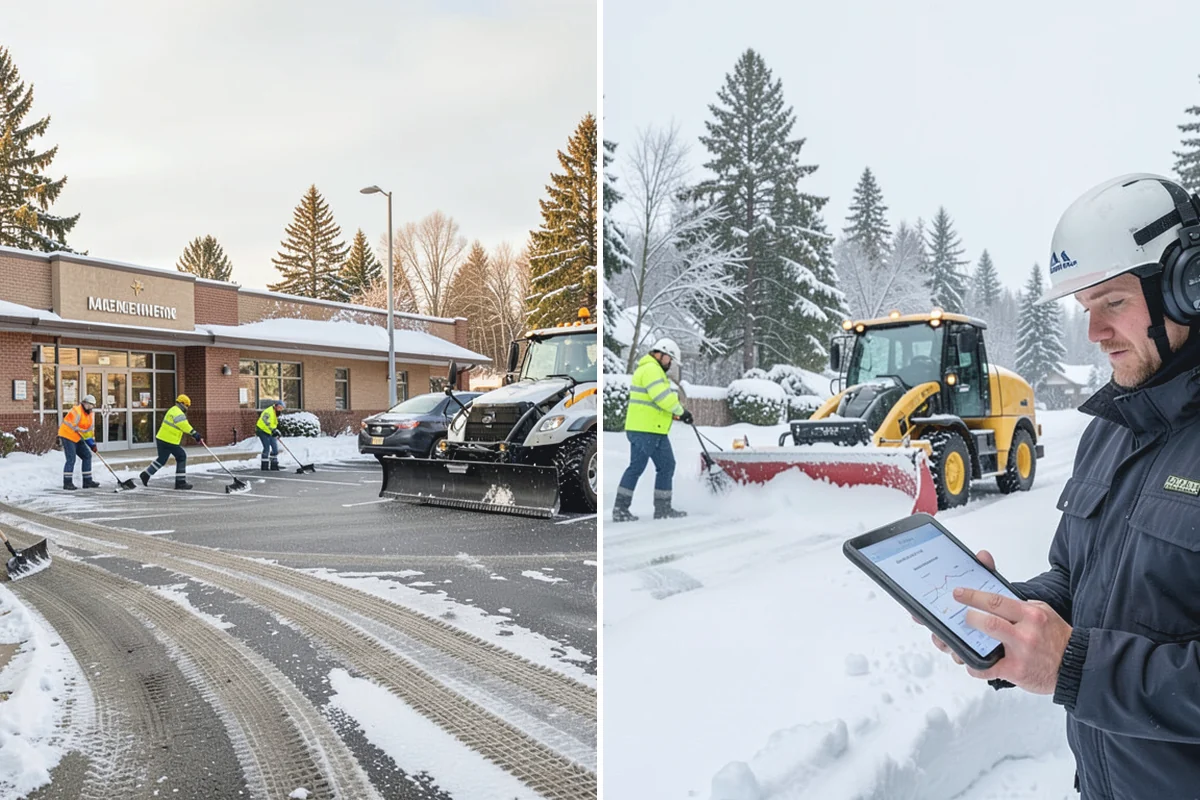
Common Project Types: Typical Gold Bar work includes seasonal driveway plowing on long rural lanes, clearing acreage turnarounds and outbuilding access, roof snow-load removal on cabins and barns after heavy falls, and de-icing the approaches to US-2. Standby storm response for repeat overnight accumulation is a routine need.
Property Styles: Gold Bar properties are mostly single-family homes on larger rural and acreage lots, with farms and a few small commercial buildings along the highway. Driveways are long and often unpaved, outbuildings are common, and the scale of the land means clearing here is measured in passes and pushback room rather than a single apron.
Local Materials & Plants: On these mountain lots a coarse traction sand mixed with a cold-rated calcium chloride melt handles the deep, hard-frozen snow better than plain rock salt, and reflective driveway markers keep the plow off gravel edges and roadside native plantings. Because acreage owners often protect orchard trees and pasture fence lines, snow is windrowed away from trunks and rails to avoid plow and salt damage.
Planning Your Project: With repeated storms the norm, Gold Bar owners generally set up a seasonal plow plan with defined trigger depths, marked lane edges, and pre-cleared stacking areas well back from the river and culverts. Planning roof-load monitoring after big falls and keeping a de-icer stockpile on the property reduces the scramble when the next system arrives.
When Cascade storms line up over Gold Bar, a long river-valley driveway is only useful if it stays plowed all season. Contact us to map your acreage access and set a snow plan built for a town that truly gets winter.