Local Service Information
Monroe
A city in the Skykomish valley of east Snohomish County at the junction of US-2 and SR-522.
County: Snohomish County
ZIP Codes Served: 98272
Neighborhoods: Downtown Monroe (historic core), Fryelands, and the northern hill neighborhoods
Nearby Communities: Snohomish, Sultan, Duvall
Common Property Types: Predominantly single-family homes, with some townhomes and multifamily housing; commercial property includes small retail, civic, and light commercial buildings.
Local Tree & Landscape Notes: Common regional trees include Douglas fir, western red cedar, western hemlock, bigleaf maple, and red alder, alongside many ornamental species. Wet soils and dense canopy are common considerations for access and scheduling.
Permit Considerations: Permit requirements vary depending on tree size, species, protected areas, shoreline regulations, critical areas, and local municipal code. Always verify current requirements with the local jurisdiction before beginning work.
Climate: Marine west coast climate typical of the Puget Sound region: mild, wet winters and warm, relatively dry summers, with most rainfall from fall through spring. Occasional wind, snow, and ice events and seasonal soil saturation influence tree health and the timing of tree work.
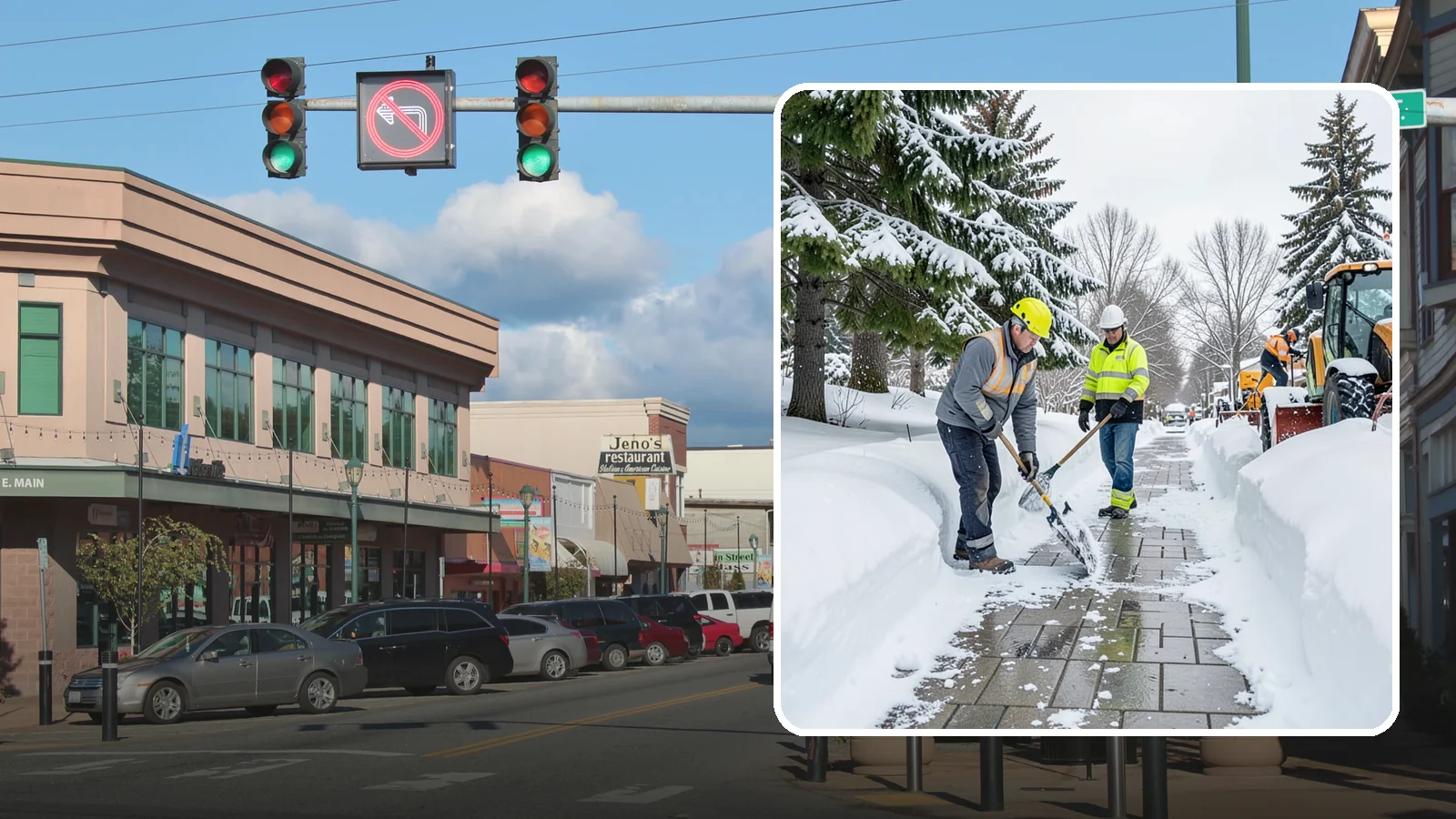
Monroe sits where the Snohomish County lowlands meet the Cascade foothills, just downvalley from Sultan along the US-2 corridor, and that position gives it colder, snowier spells than the cities closer to the water. Cold air draining out of the mountains and the Skykomish valley can push a Monroe snowfall past the occasional dusting into something that lingers, especially in the northern hill neighborhoods above the historic downtown. With the Evergreen State Fairgrounds and Lake Tye drawing traffic, keeping driveways, lots, and walkways clear through these harder freezes takes real planning.
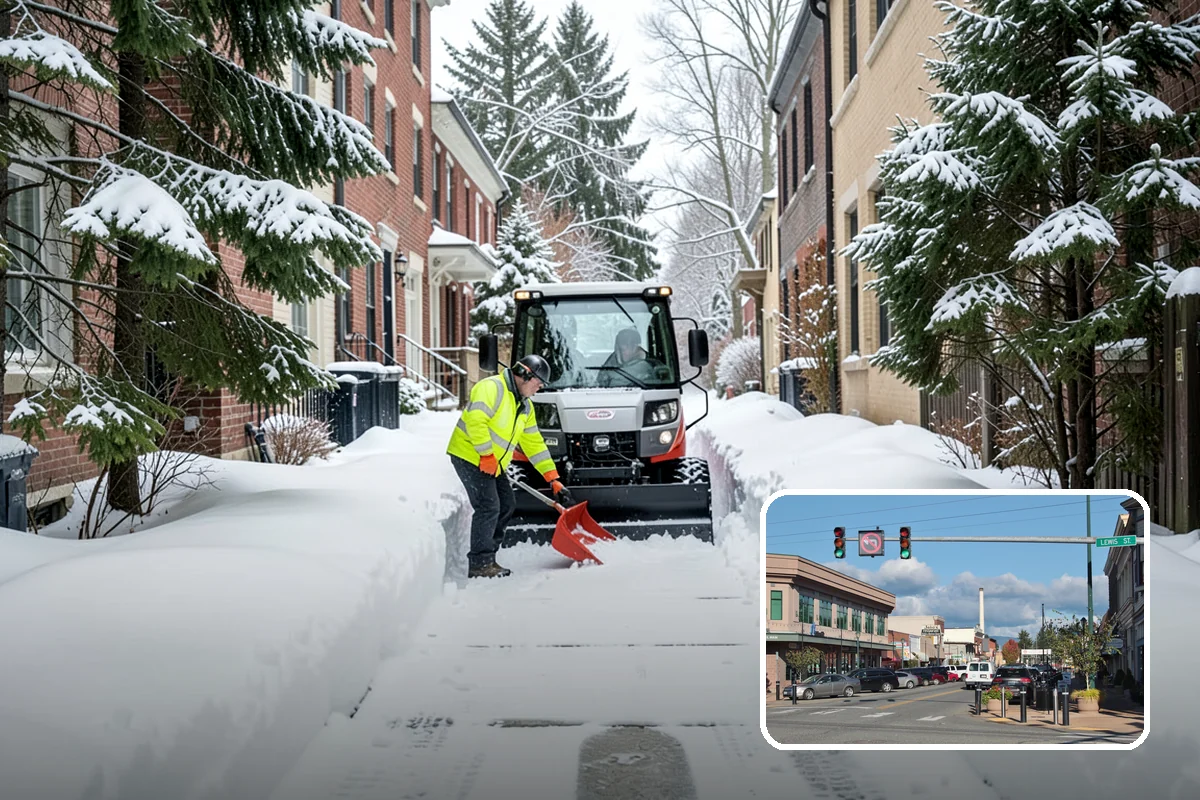
Monroe blends a historic downtown core, the Fryelands, and hillside neighborhoods with single-family homes and small retail and civic buildings, so snow and ice service spans private drives, small commercial frontage, and the approaches around Lake Tye Park. Because the valley runs colder, we plan for events that actually accumulate, not just brief dustings, and route clearing to the higher, north-side streets first.
Site Conditions: Monroe’s foothill-edge location means longer cold spells and heavier snow than the shoreline cities, with valley cold air holding freezes in place. Freeze-thaw still rules the margins, but here snowpack can sit for days on shaded, north-facing drives and along the hill neighborhoods above town. Rural and hillside driveways, some long and gravel, need both clearing and sustained traction through multi-day cold.
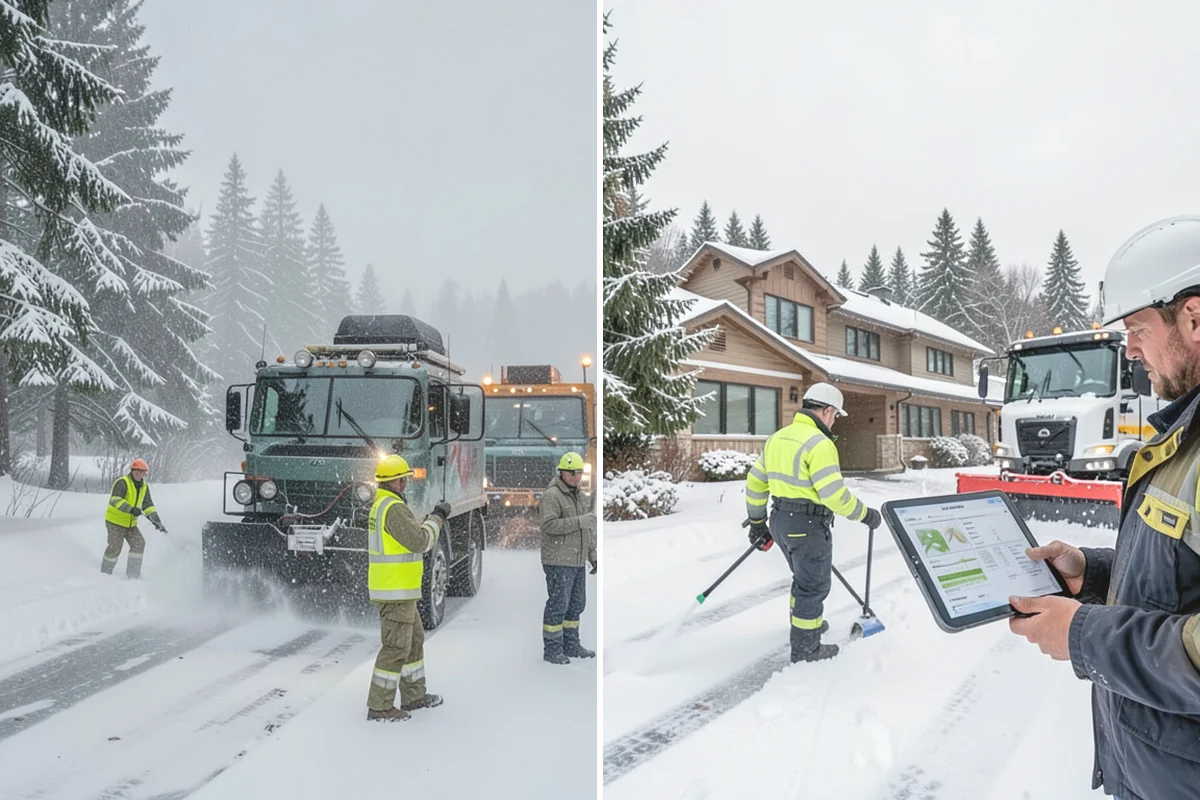
Seasonal Considerations: Because cold Cascade outflow funnels down the US-2 valley, Monroe can see several accumulating events and the occasional prolonged freeze, so seasonal readiness is essential. We plan for repeat clearing rather than one-and-done, pre-treat before forecast snow, and keep the hill neighborhoods and downtown routes open through cold snaps that outlast those nearer the Sound. Material stockpiles are sized for a snowier winter than the lowland average.
Common Project Types: Typical work includes repeat plowing of residential and rural driveways, de-icing downtown sidewalks and small civic entries, and keeping the hill-neighborhood approaches passable through multi-day cold. We handle longer gravel and hillside drives, traction on north-facing runs, and seasonal contracts that cover the several events a foothill-edge winter tends to bring.
Property Styles: Homes are mostly single-family, from the historic downtown grid to the Fryelands and the northern hills, with some townhomes and small commercial buildings. Longer drives, gravel approaches, and sloped hill lots mean clearing plans vary widely across town, so we match equipment to each drive and prioritize the higher, colder streets that hold snow longest.
Local Materials & Plants: For a snowier valley we keep ample rock salt and sand on hand for repeat events, and use magnesium chloride and acetate blends near lawns, fruit trees, and the plantings common on Monroe’s larger lots. On gravel drives we favor grit over heavy salt to spare turf edges, stack snow clear of orchard and garden beds, and flush salt-prone borders come spring so the fuller landscapes here recover cleanly.
Planning Your Project: With multiple events likely, planning covers repeat visits, restocking material mid-storm, and sequencing the coldest hill neighborhoods before the downtown flats. We confirm access to long and gravel drives, set snow-stacking areas away from beds, and build seasonal contracts around the harder winters this US-2 valley position tends to deliver.
Monroe winters can outlast the ones closer to the water, so let’s set up a seasonal snow and ice plan that keeps your drive and walkways clear through every valley cold snap.