Local Service Information
Skykomish
A very small mountain town along the Skykomish River and US-2 in the Cascade foothills.
County: King County
ZIP Codes Served: 98288
Neighborhoods: The small historic railroad-town core along the Skykomish River
Nearby Communities: Index, Gold Bar, Baring
Common Property Types: Predominantly single-family homes on larger and rural lots, with some farm and acreage properties; commercial property is limited to small retail and civic buildings.
Local Tree & Landscape Notes: Mountain and heavily forested setting with large conifers including Douglas fir, western hemlock, and western red cedar. Steep terrain, limited access, and large trees are key considerations for planning and rigging.
Permit Considerations: Permit requirements vary depending on tree size, species, protected areas, shoreline regulations, critical areas, and local municipal code. Always verify current requirements with the local jurisdiction before beginning work.
Climate: Marine west coast climate typical of the Puget Sound region: mild, wet winters and warm, relatively dry summers, with most rainfall from fall through spring. Occasional wind, snow, and ice events and seasonal soil saturation influence tree health and the timing of tree work.
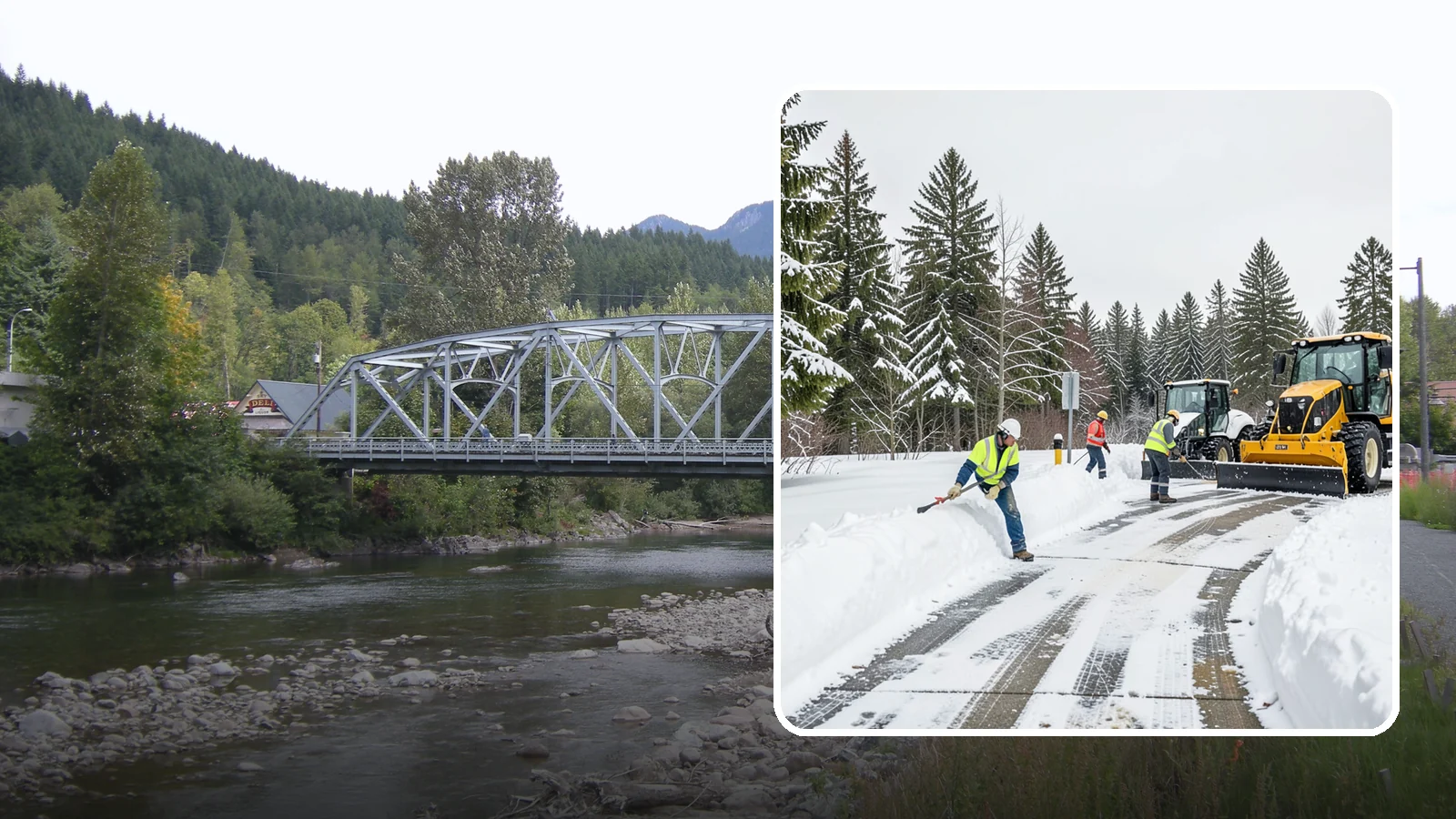
Skykomish sits deep in the Cascade foothills along the Skykomish River, a historic railroad town where real mountain winter arrives every year. Unlike the lowland cities downstream, Skykomish and its neighbors Index, Gold Bar, and Baring get heavy, repeated snowfall and sustained cold, with plowing and roof snow-load management a genuine seasonal necessity. Homeowners on rural and acreage lots here plan for a full winter of snow, not an occasional dusting.
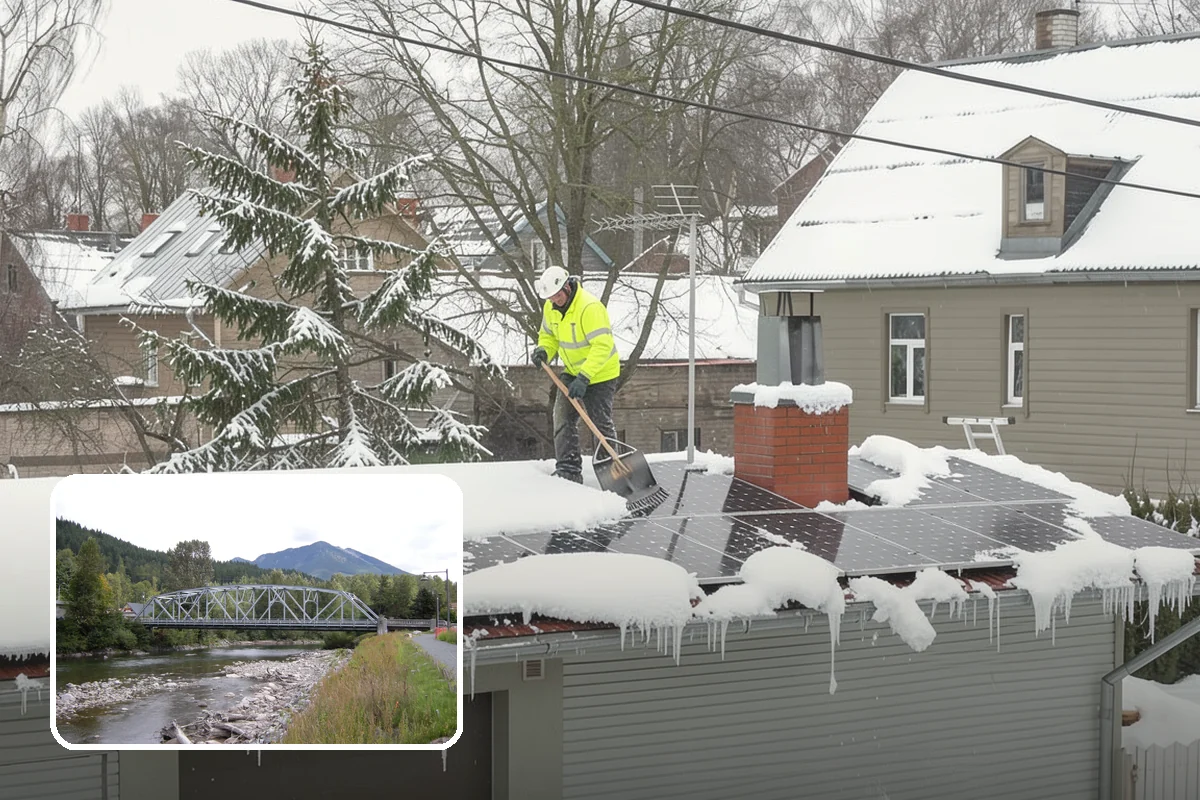
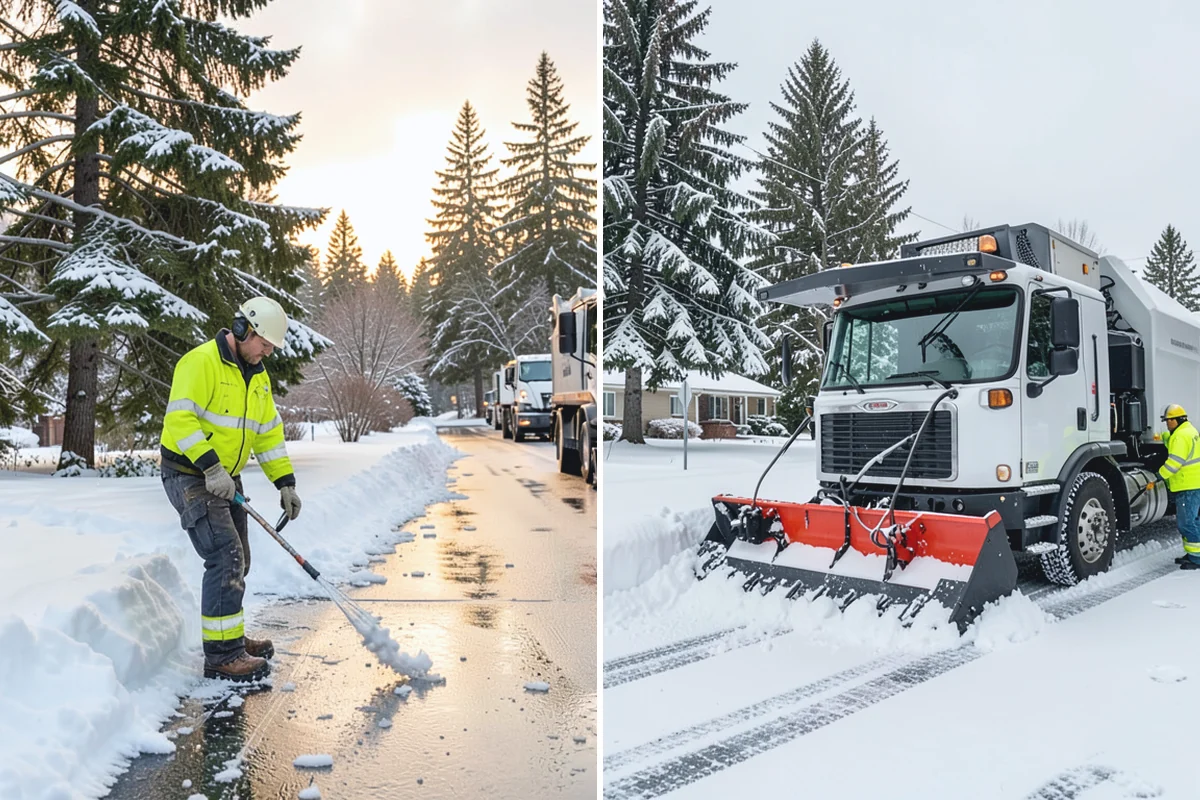
In this mountain corridor our snow and ice work is built for volume: repeated driveway plowing, keeping long rural approaches open to the highway, and managing roof snow load on homes and outbuildings near the historic railroad depot. Because Skykomish runs far colder and snowier than the Puget Sound flats, seasonal contracts make the most sense.
Site Conditions: At this elevation snow accumulates in feet, not inches, and packs hard on gravel and unpaved drives along the river; deep cold keeps snowpack in place for weeks, ice builds where the Skykomish River fog freezes, and heavy loads gather on roofs and where plowed banks tower beside narrow lanes.
Seasonal Considerations: Winter here runs long, from November into March, with storm after storm dropping mountain snow that demands repeat plowing rather than a single clearing. We monitor accumulation for roof snow-load thresholds, manage growing plow banks along tight drives, and keep de-icing steady through prolonged sub-freezing stretches.
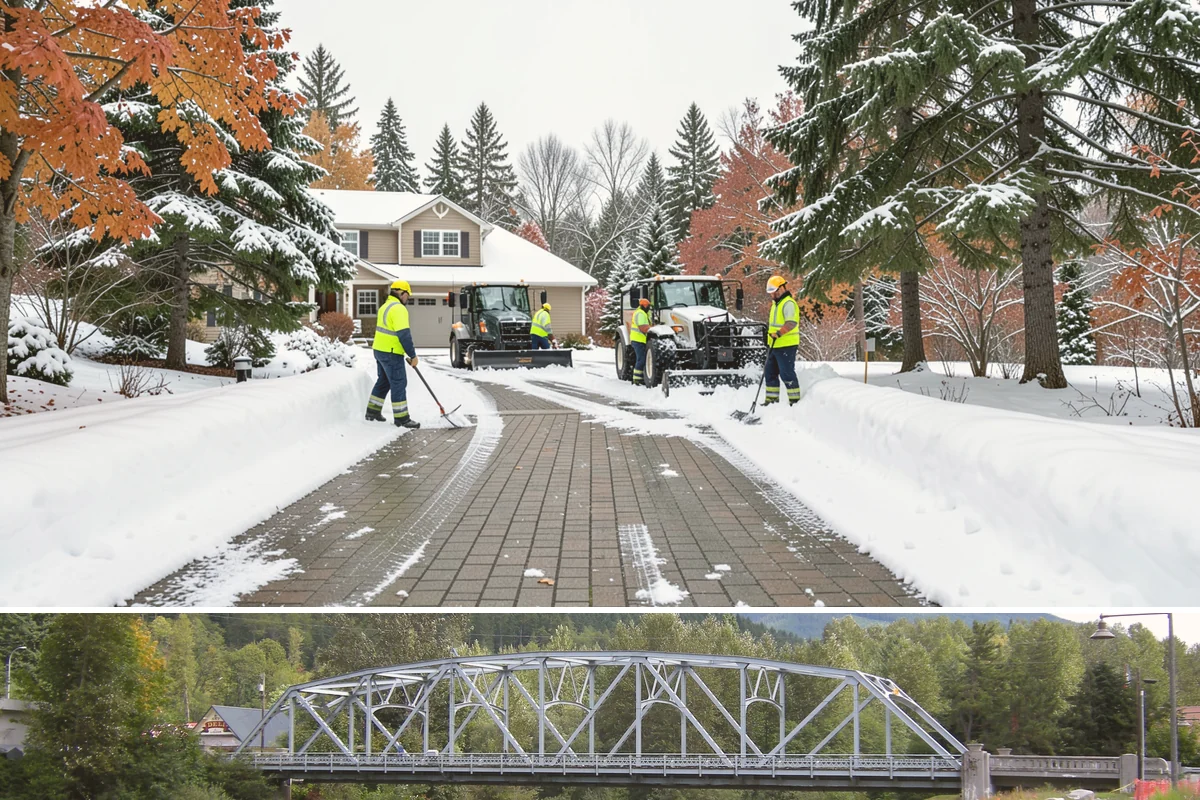
Common Project Types: Work centers on frequent driveway and access-road plowing, roof snow-load removal on homes and barns, clearing long rural and acreage lanes to the highway, breaking down plow banks that narrow the road, and de-icing the few civic and small-retail frontages in the town core.
Property Styles: Skykomish is mostly single-family homes on larger and rural lots with farm and acreage properties, so clearing means long driveways, room for tall snow-storage banks, and roof work on houses and outbuildings that a compact in-town lot would never require.
Local Materials & Plants: In this deep-snow terrain we rely on traction sand and coarse grit far more than salt, protecting riverbank alders and native conifers from chloride, and we stake long gravel drives clearly so blades spare culverts, well heads, and the plantings buried under mountain snowpack.
Planning Your Project: Seasonal route planning is essential here: we set standing plow schedules tied to accumulation, monitor roofs for load after each storm, and manage where feet of snow get pushed so banks along Skykomish’s narrow river-valley lanes never choke the only way out.
Ready your Skykomish home or acreage for a full mountain winter by setting up seasonal plowing and roof snow-load service before the Cascade storms stack up along the river.