Local Service Information
Brier
A small, primarily residential city in southwest Snohomish County.
County: Snohomish County
ZIP Codes Served: 98036
Neighborhoods: A uniform residential community with no distinct neighborhoods
Nearby Communities: Lynnwood, Mountlake Terrace, Bothell, Edmonds
Common Property Types: Predominantly single-family homes with townhomes and some condominiums and multifamily housing; commercial property includes retail, office, and small mixed-use buildings.
Local Tree & Landscape Notes: Common regional trees include Douglas fir, western red cedar, western hemlock, bigleaf maple, and red alder, alongside many ornamental species. Wet soils and dense canopy are common considerations for access and scheduling.
Permit Considerations: Permit requirements vary depending on tree size, species, protected areas, shoreline regulations, critical areas, and local municipal code. Always verify current requirements with the local jurisdiction before beginning work.
Climate: Marine west coast climate typical of the Puget Sound region: mild, wet winters and warm, relatively dry summers, with most rainfall from fall through spring. Occasional wind, snow, and ice events and seasonal soil saturation influence tree health and the timing of tree work.
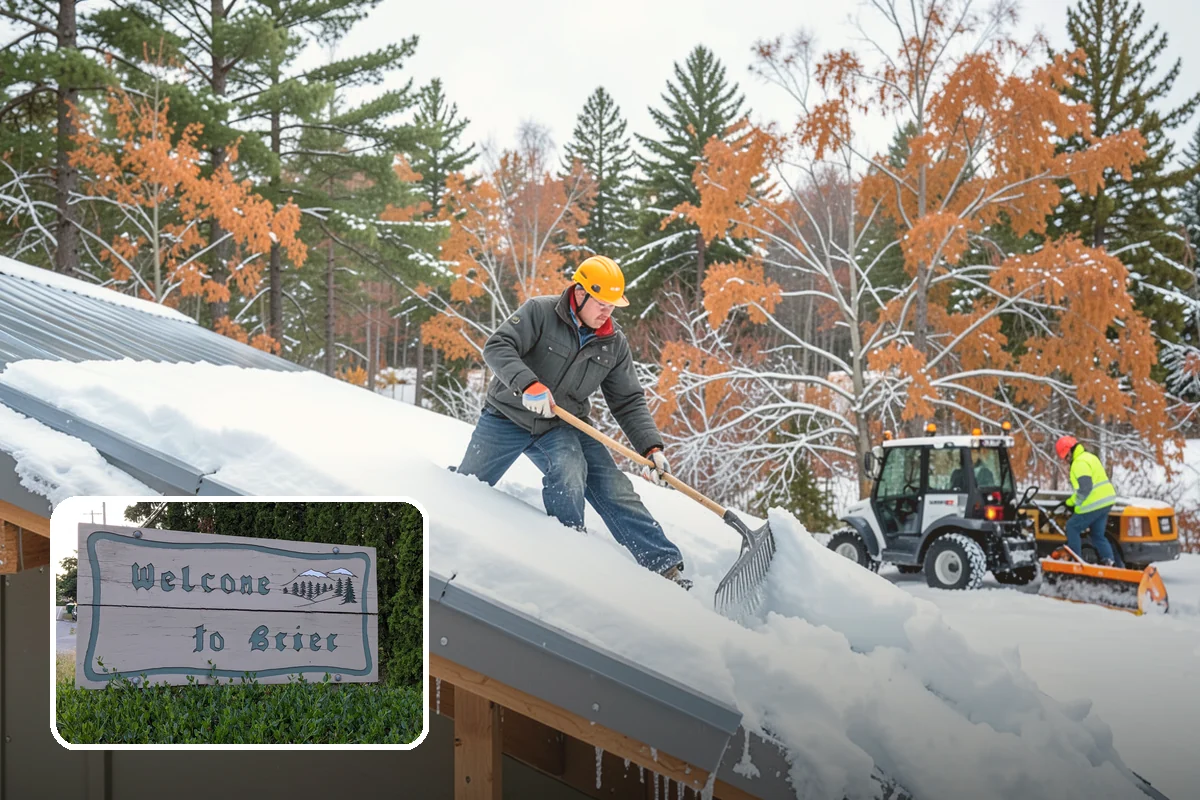
Brier is a quiet, almost entirely residential Snohomish County community set among Lynnwood, Mountlake Terrace, and Edmonds, sitting in the Puget Sound lowlands where snow arrives only occasionally and rarely lingers. When a cold snap does push through, the tree-lined streets and gently rolling lots around Brier Park can turn slick, and shaded driveways hold ice after the open pavement has cleared. Since accumulation is infrequent and the town is dominated by family homes, the need here is quick, reliable clearing of driveways and walkways during the handful of snow events each winter rather than a heavy plowing operation.
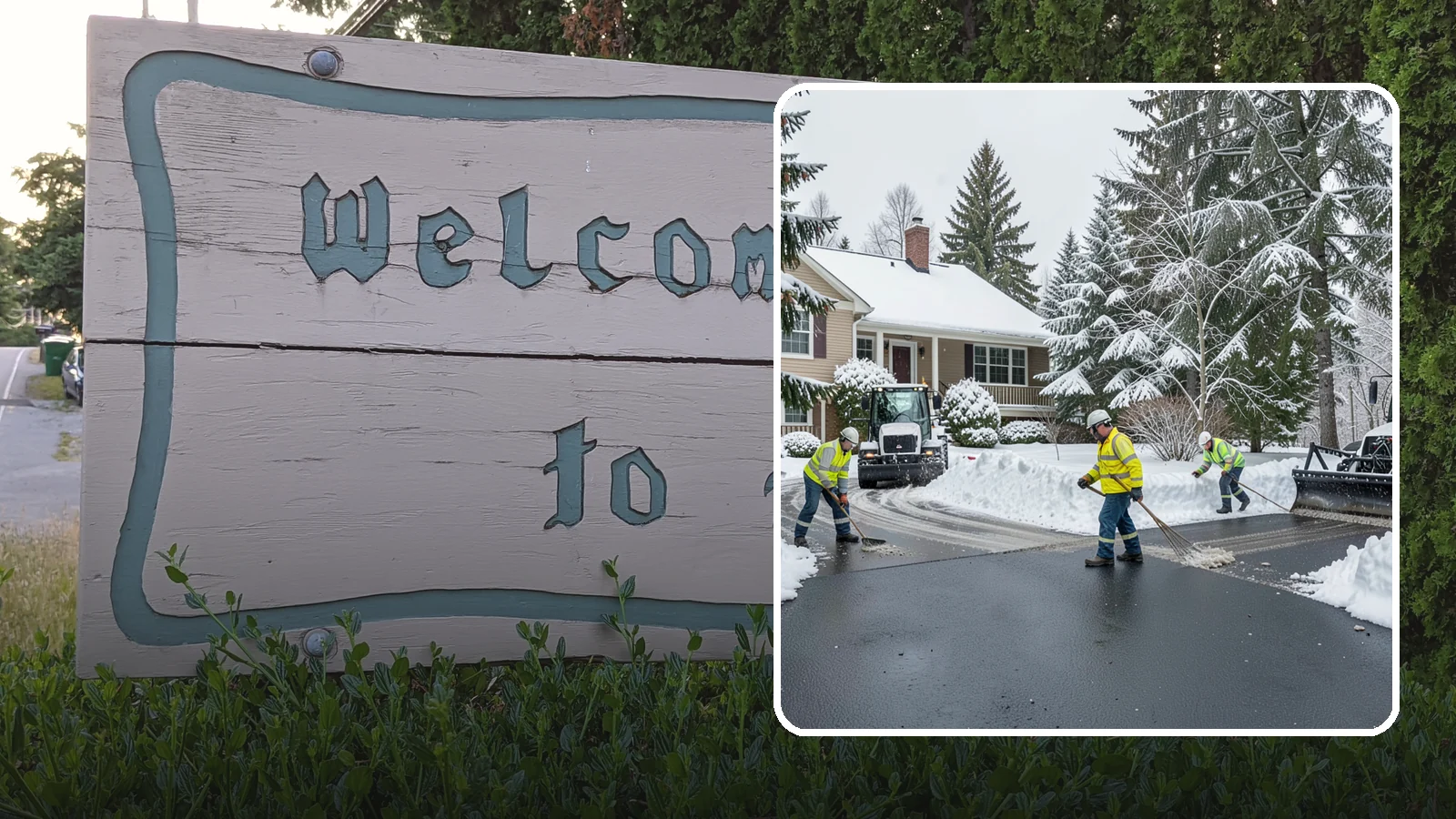
Snow work in Brier is almost entirely on-call, fitting a lowland residential town that only sees a few sticking events a year. When a freeze is forecast, crews treat walkways and clear the neighborhood driveways once snow accumulates, giving priority to the shaded, rolling streets that ice up before the flatter stretches near Brier Park.
Site Conditions: As a lowland community, Brier typically gets wet, heavy snow that melts and refreezes overnight. The gently rolling residential streets and shaded, north-facing driveways hold ice longest, and meltwater running off the rises can re-glaze the pavement after a clear, cold night even once the main roads have opened up.
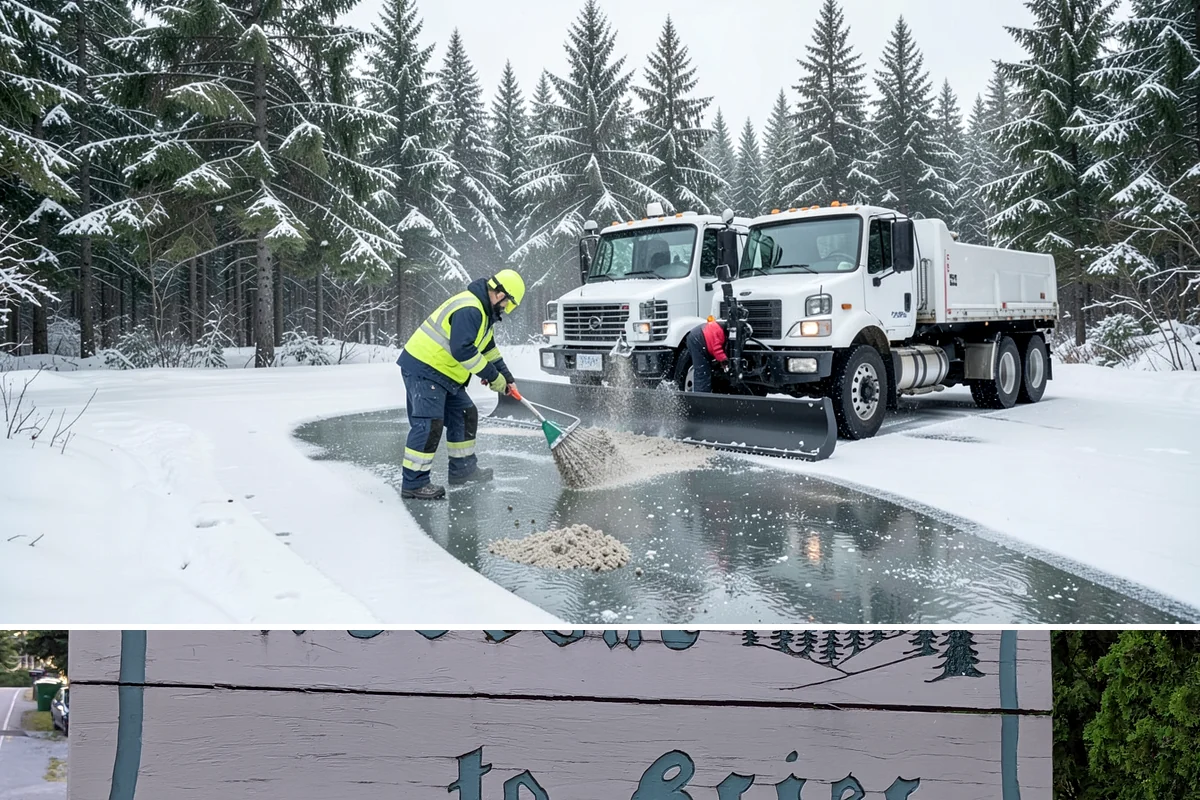
Seasonal Considerations: Brier readiness means watching the forecast, since the snow window is short and unpredictable. Pre-treating driveways and walks ahead of a front keeps ice from bonding, and because the lowland thaw is quick but wet, most follow-up work is clearing refrozen slush on the shaded rises and steering meltwater off the sloped drives before it freezes again after dark.
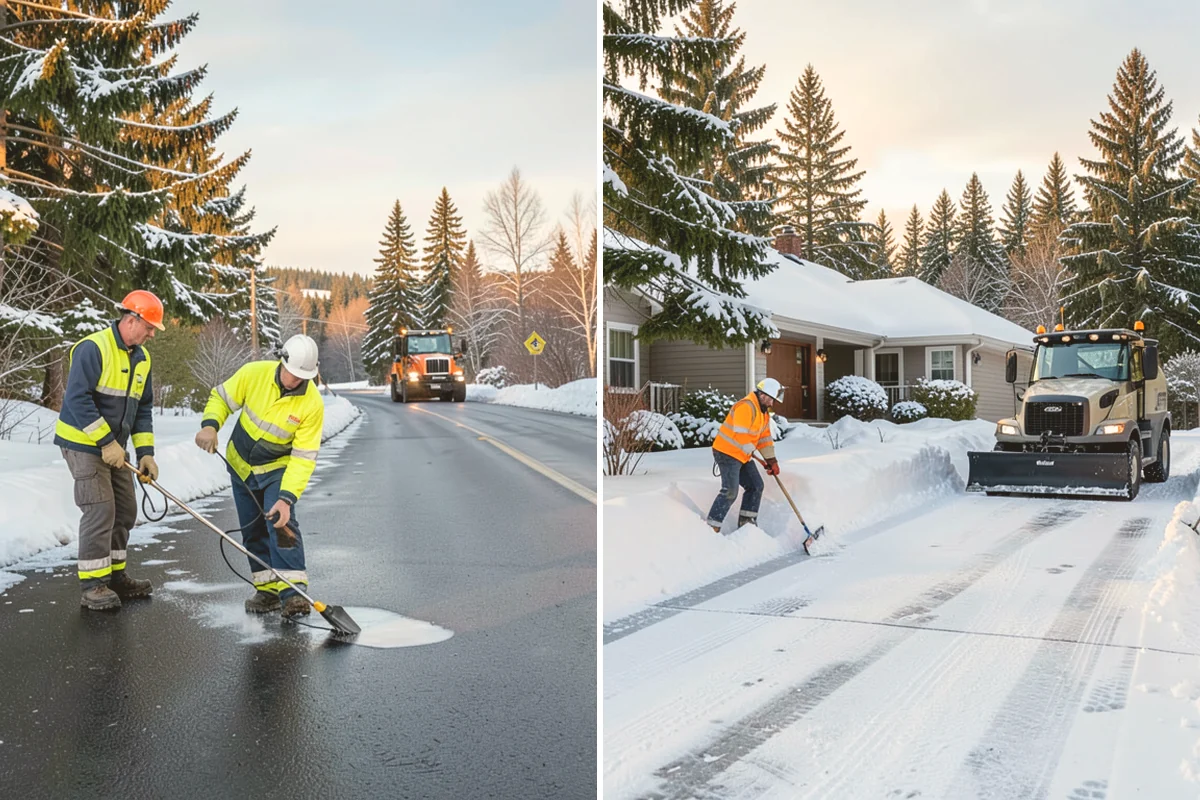
Common Project Types: Work in Brier is predominantly residential, from clearing single-family and townhome driveways to de-icing front walks and treating the shaded neighborhood streets that hold ice. With little commercial development, plowing centers on home and shared drives, and seasonal standby agreements plus per-storm calls make up most of the demand around Brier Park.
Property Styles: Brier is a uniform community of single-family homes and townhomes on gently rolling lots, with some condominiums. The rolling driveways and shaded approaches are the main clearing challenge, holding ice while the open lawns and flatter stretches melt off first, so traction treatment matters more than heavy plowing here.
Local Materials & Plants: On Brier’s residential streets, rock salt and a pet-safe melt handle most walkways, with calcium chloride reserved for the colder nights and sand or traction grit added for footing on the shaded rises. To keep the town’s well-kept lawns and garden beds healthy, crews steer salt away from turf edges and pile cleared snow clear of plantings so the quick lowland thaw does not wash brine into the roots around the yards near Brier Park.
Planning Your Project: Because snow is infrequent, most Brier residents keep a simple seasonal on-call arrangement and let crews dispatch on the forecast rather than a set route. Clearing on shared townhome and condominium drives is coordinated with owners directly, and any work touching public walks stays within the general expectations set locally.
When a rare cold snap settles over Brier, shaded driveways ice up fast. Reach out to arrange on-call snow and ice service tuned to this quiet Snohomish County community’s winter needs.