Local Service Information
Issaquah
A city at the base of the Issaquah Alps on the Eastside, surrounded by forested hills.
County: King County
ZIP Codes Served: 98027, 98029
Neighborhoods: Downtown, Issaquah Highlands, Gilman, Squak Mountain
Nearby Communities: Sammamish, Newcastle, Renton, Snoqualmie
Common Property Types: Predominantly single-family homes with townhomes and some condominiums and multifamily housing; commercial property includes retail, office, and small mixed-use buildings.
Local Tree & Landscape Notes: Forested foothill setting with conifers such as Douglas fir, western hemlock, and western red cedar, plus bigleaf maple and alder. Slopes, wet soils, and larger trees are common considerations for access and rigging.
Permit Considerations: Permit requirements vary depending on tree size, species, protected areas, shoreline regulations, critical areas, and local municipal code. Always verify current requirements with the local jurisdiction before beginning work.
Climate: Marine west coast climate typical of the Puget Sound region: mild, wet winters and warm, relatively dry summers, with most rainfall from fall through spring. Occasional wind, snow, and ice events and seasonal soil saturation influence tree health and the timing of tree work.
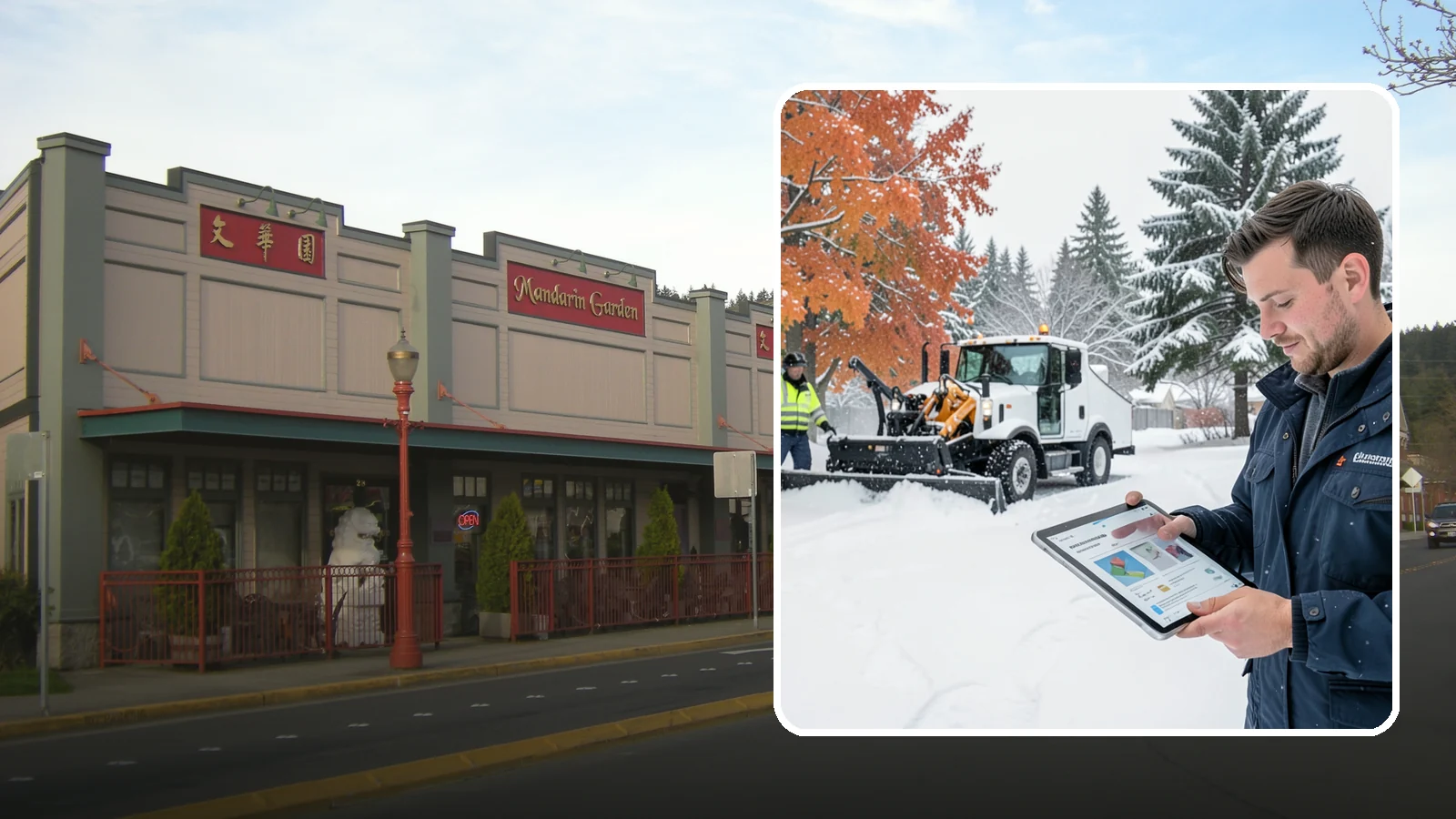
Issaquah rises from a valley floor against Cougar and Squak Mountain slopes in King County, where the higher ground of the Issaquah Highlands can pick up noticeably more snow than the downtown core near the Salmon Hatchery and Lake Sammamish. That split means winter clearing here ranges from a light lowland dusting to genuine plowable snow on the elevated neighborhoods. Homeowners on the hillsides plan for steeper, snowier conditions than those down by the lake.
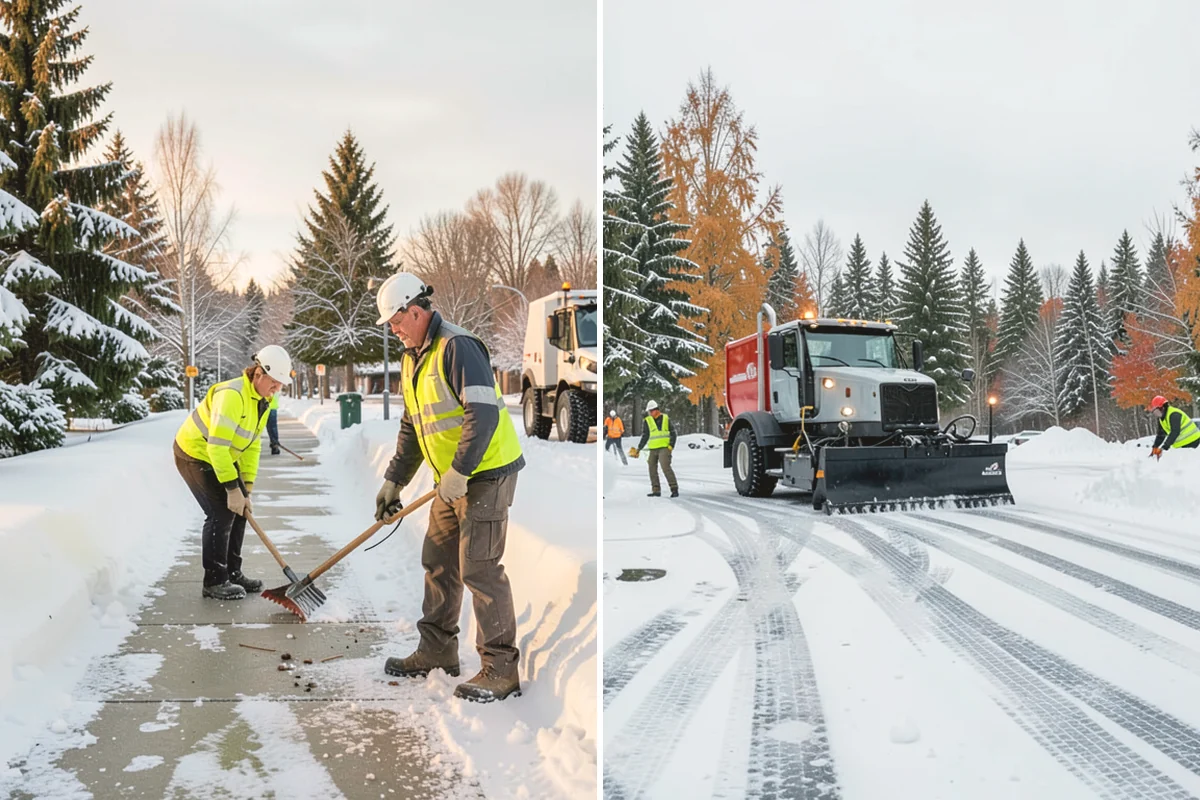
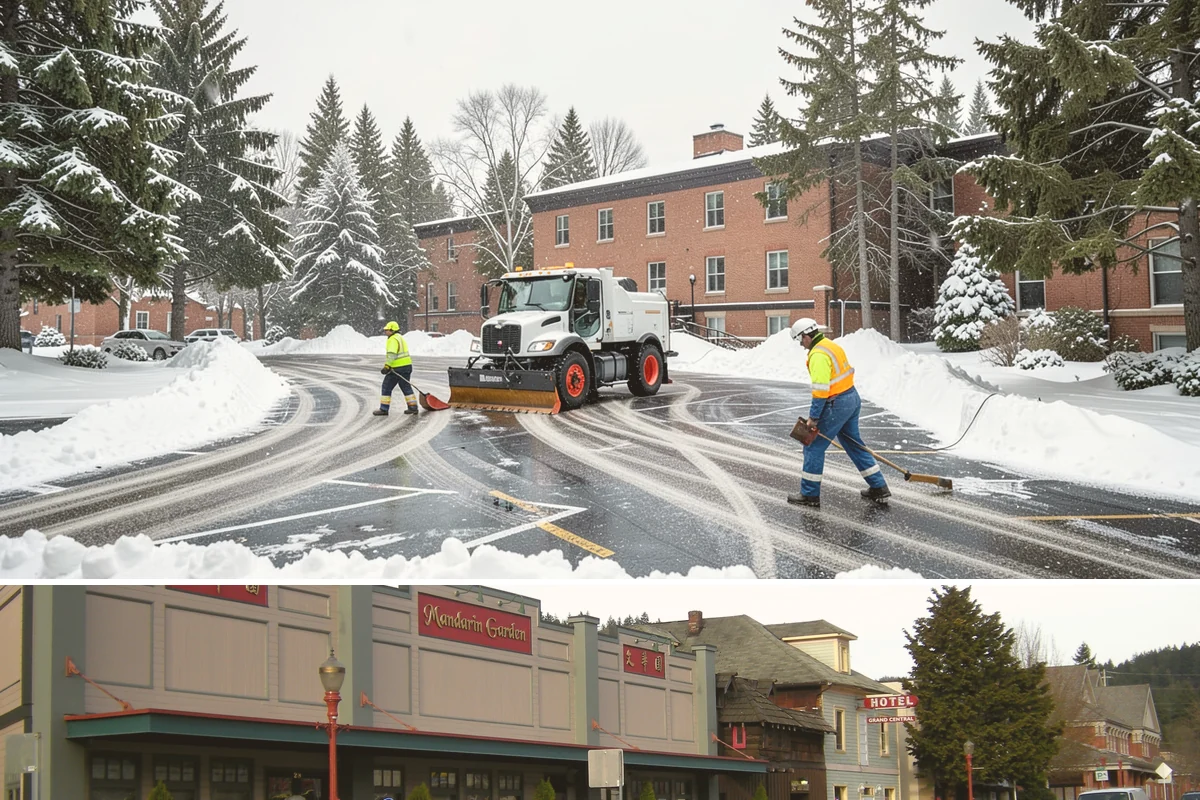
Snow and ice service across Issaquah adjusts to elevation: light de-icing and quick clears in the valley near Gilman and downtown, and real plowing plus traction work on the sloped drives of the Issaquah Highlands and Squak Mountain. Retail, office, and mixed-use frontages downtown add walkway and lot clearing to keep the commercial core moving after a storm.
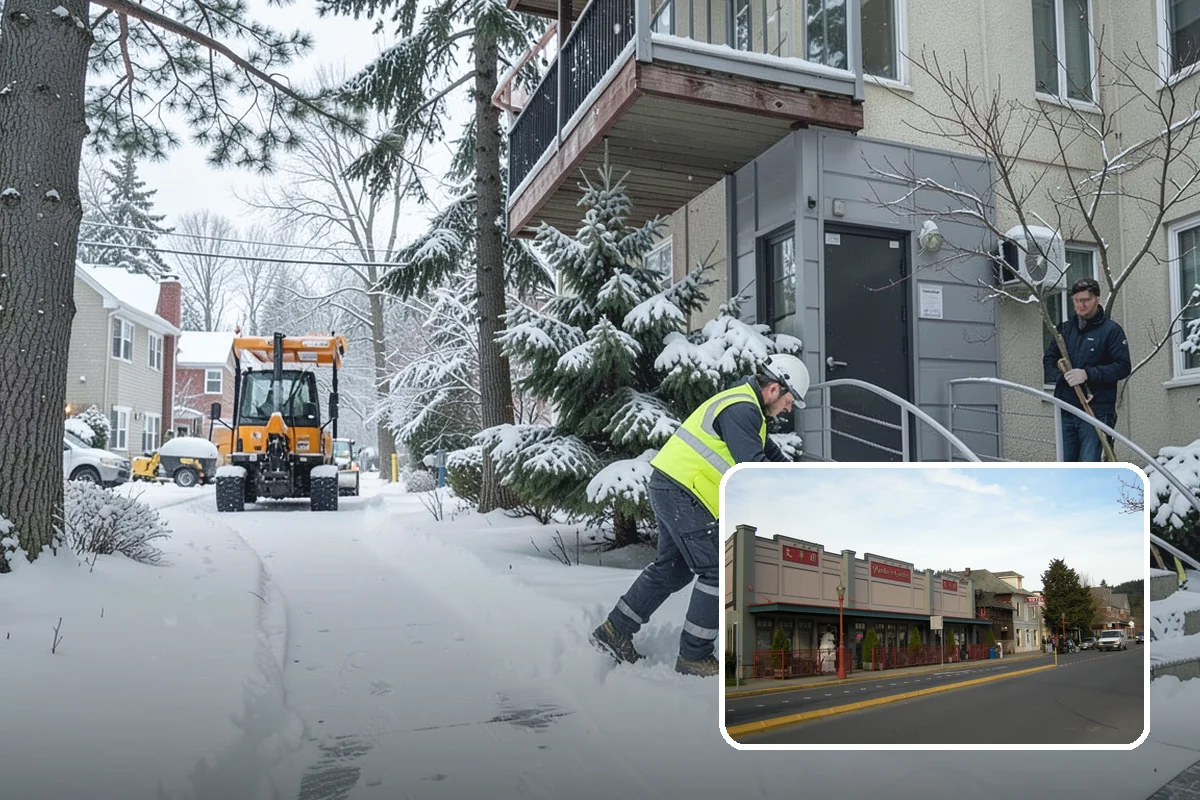
Site Conditions: Issaquah’s terrain drives its winter risk, with the Highlands and mountain slopes catching more frequent, deeper snow and sharper freeze-thaw than the valley near Lake Sammamish. Steep hillside driveways and walks shaded by the Cougar and Squak Mountain forest hold ice the longest, while the flatter downtown lots clear quickly once treated.
Seasonal Considerations: Winter in Issaquah stretches longer on the heights, where December-through-February storms can leave the Highlands white while downtown sees rain. Owners on the slopes plan for repeat plowing, pre-treating steep drives, and stocking traction material, while valley residents lean on quick de-icing for the freeze-thaw glaze that follows a cold, clear night.
Common Project Types: Common Issaquah jobs range from valley driveway de-icing to hillside plowing in the Highlands, traction sanding on steep Squak Mountain drives, and clearing walks and stalls for downtown retail and office frontages. Roof snow removal comes up on the higher neighborhoods after the heavier, mountain-influenced falls.
Property Styles: Issaquah mixes compact valley homes and townhomes with larger hillside houses and dense Highlands developments, plus a walkable commercial core. Driveways range from flat downtown aprons to steep, curving mountain approaches, so clearing plans shift sharply with each property’s elevation and grade.
Local Materials & Plants: On the snowier slopes a sand-and-calcium-chloride blend grips steep drives, while the valley favors a lighter, plant-safe magnesium melt near the ornamental gardens and native sword ferns common under the Cougar Mountain canopy. Staking bed edges on hillside lots keeps a plow off the plantings, and rinsing salt from foundation shrubs each spring protects the wooded landscaping.
Planning Your Project: Because conditions swing with elevation, Issaquah owners benefit from a plan matched to their exact location, whether trigger-based plowing on the Highlands or on-call de-icing in the valley. Mapping where snow can be stacked on a steep lot, marking driveway edges, and pre-staging traction material for the slopes keeps each storm manageable.
From the Lake Sammamish valley up to the snowier Highlands, an Issaquah winter depends on where you live, and so should your clearing plan. Reach out to map your property’s elevation and set snow and ice service that fits your grade.