Utility Access Clearing in Gig Harbor: How Snow Affects It
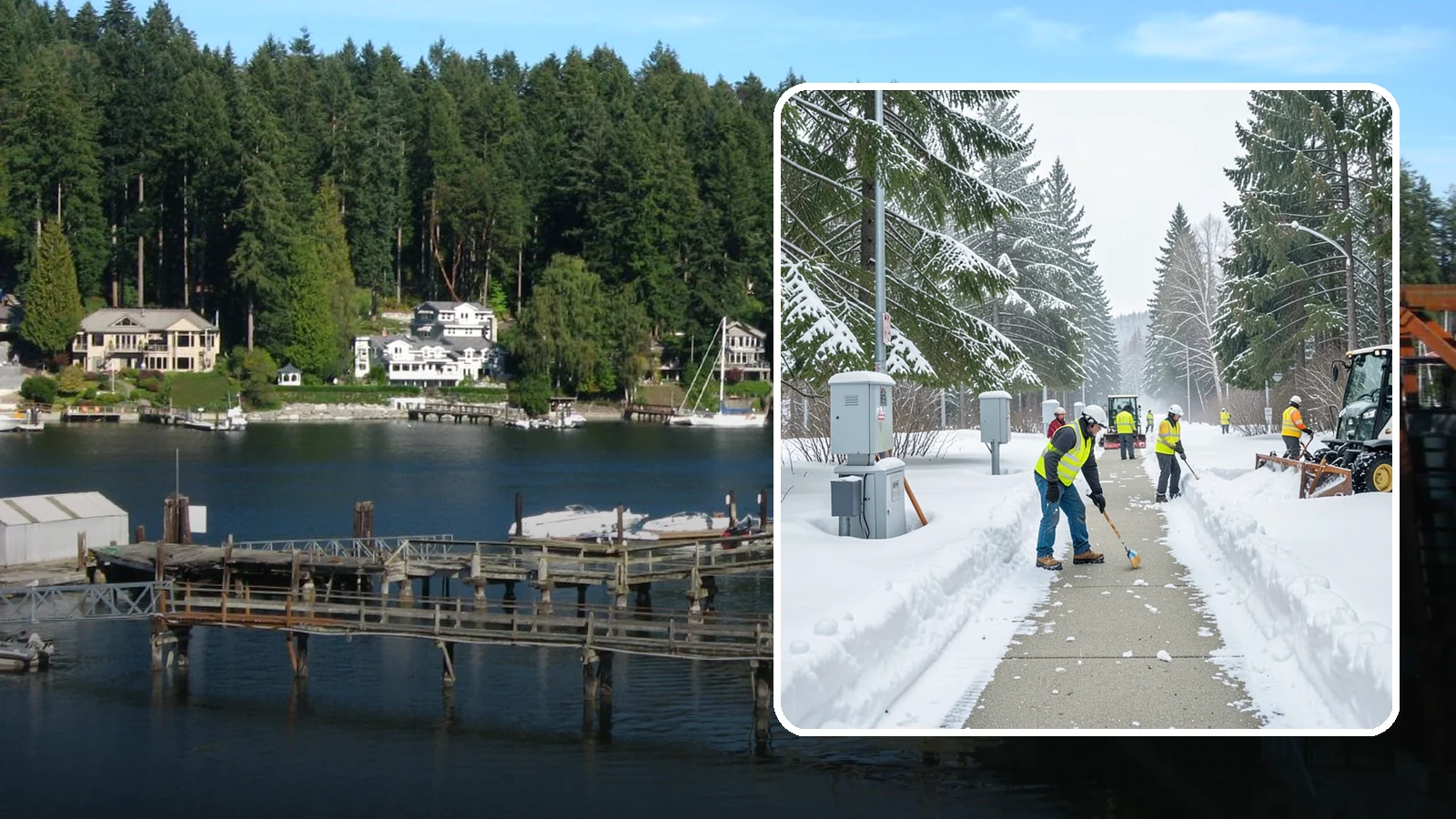
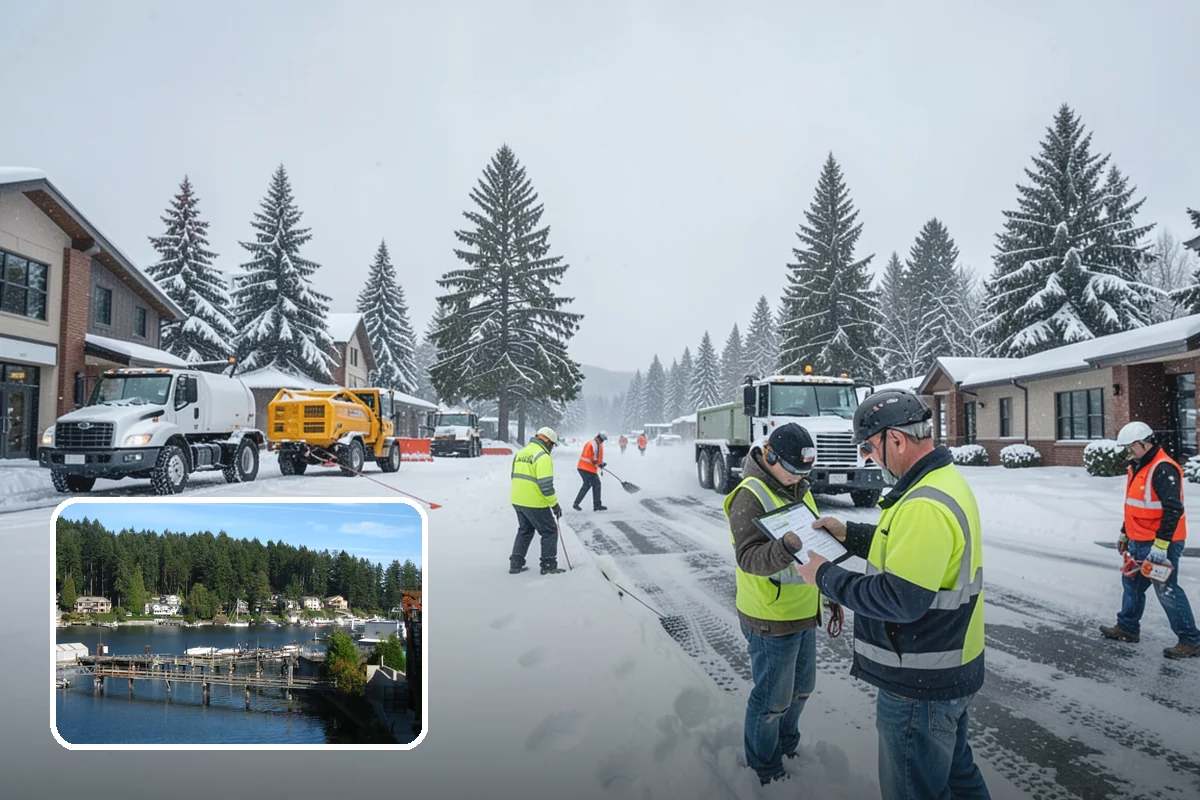
Gig Harbor has snow on the ground about 3 days a year, and only 1.5 days bring 1 in or more. Most seasons, access clearing is a small job. The risk comes from the rare big storm. Feb 9–12, 2019 brought 16.7 in in total, with 8.4 in on the biggest day. Jan 15–20, 2012 brought 11.9 in. Dec 26–28, 2021 brought 4.7 in.
Ice is the other issue. The area sees 31 freezing nights from October to April, yet only about 1.0 day a year stays below freezing all day. That pattern means thin ice can form on walkways and pads overnight and melt by afternoon.
- Hand shoveling around meters, cleanouts, and pad-mounted equipment
- Clearing a walkable route to the access point
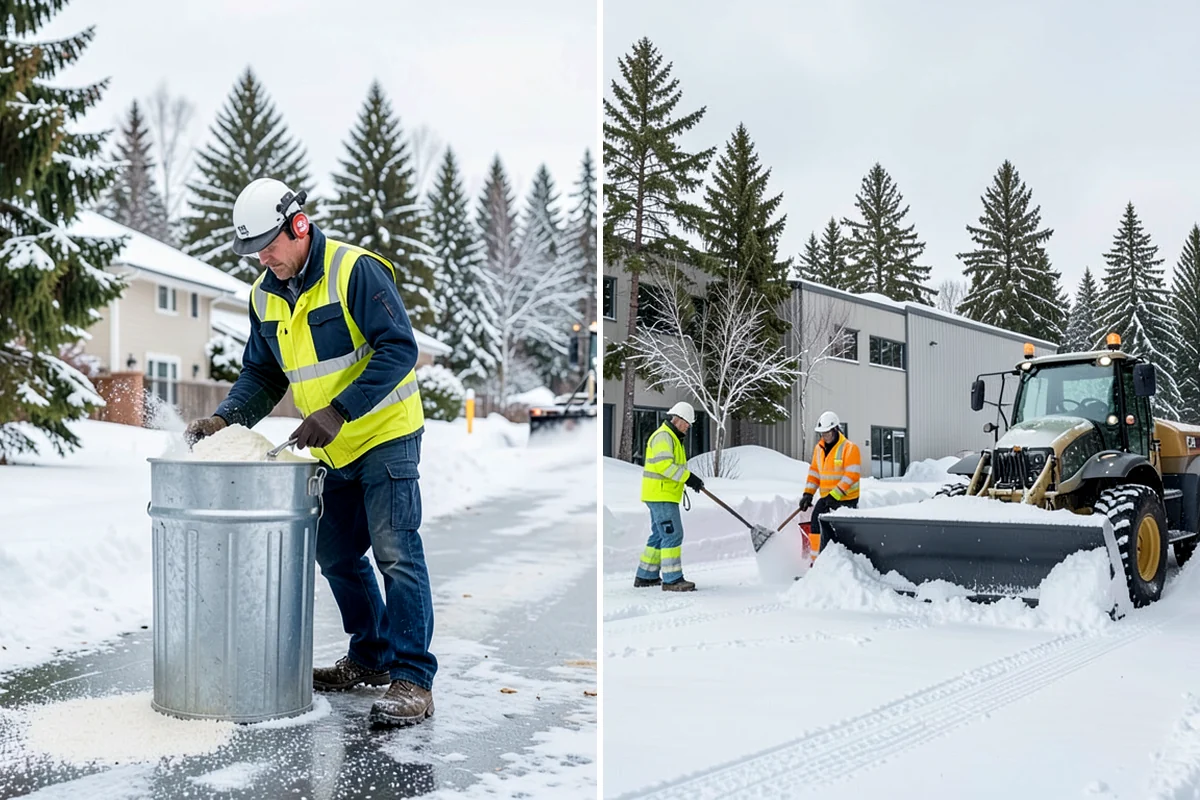
- Machine work with a Kubota SCL1000 compact track loader for deeper snow
- Bagged ice melt on approach paths
Pricing is $110 per person-hour for crew members, $175 per hour for the loader with operator, and $45 per 50 lb bag of ice melt. The Gig Harbor trip charge is $350 per dispatch (zone C). There is a 2-hour minimum per dispatch. Our yard is 84 minutes away in Bothell, so we plan the trip around your access needs.