Keeping You Moving. Beyond Expectations.
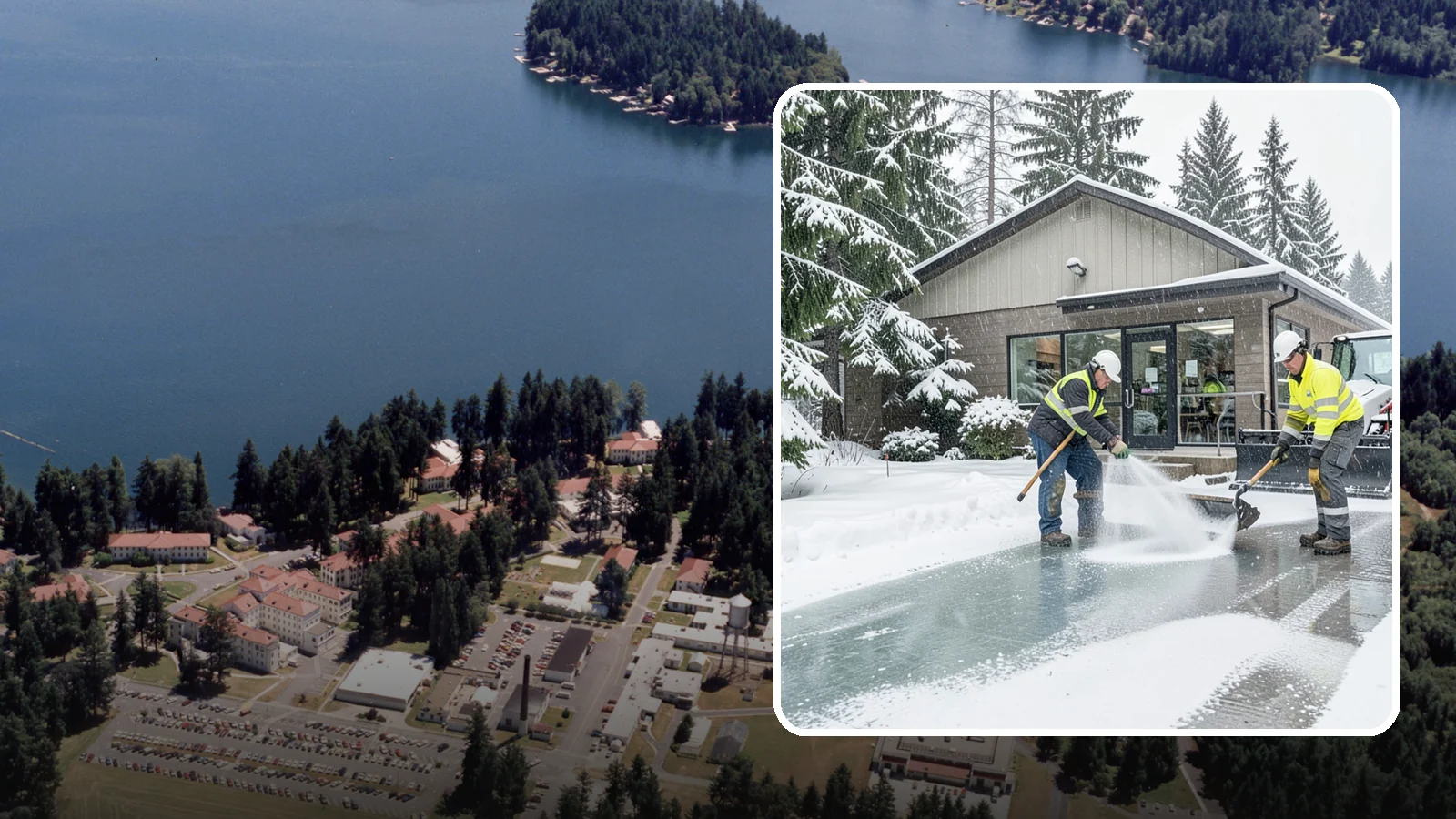
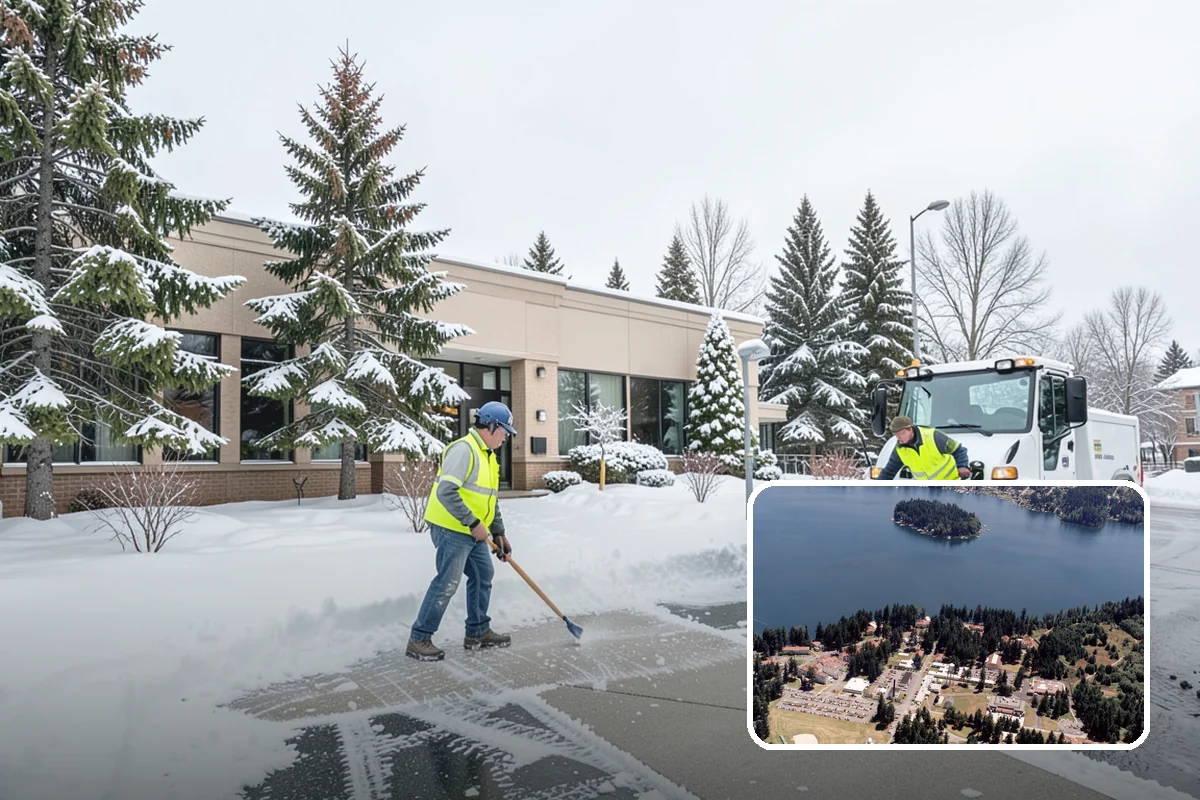
Storefront-focused deicing that keeps entrances, cart corrals, and customer walkways safe and inviting when freezing rain hits a Western Washington shopping day.
Retail Store Deicing in Lakewood is mostly about ice, not deep snow. The area averages 5.0 in of snow per season, and only 3 days a year have snow on the ground. But there are 35 freezing nights between October and April, and a thin glaze on a store entrance is enough to cause a fall.
Washington Snow Removal is licensed, bonded and insured. We dispatch from our Bothell yard, 81 minutes from Lakewood. Call 206-809-9669 to talk through your lot, entrance and sidewalk.
Sources: NOAA and National Weather Service records for Lakewood, 2005–2026.
Lakewood has 394 shops and stores mapped within the city, from barber shops to convenience stores like 7-Eleven. Most have the same weak points: the front door, the walkway along the storefront, accessible parking spaces and the curb ramps.
The local pattern is mild and uneven. Only 1.2 days a year stay below freezing, and just 1.6 days a year bring 1 in or more of snow. About 3.0 light-snow days a year need deicing. Still, the area has seen real events. Recent logged ones include a Dec 23, 2022 ice storm, Dec 1, 2022 winter weather, and heavy snow on Feb 22, 2018 and Feb 8, 2014.
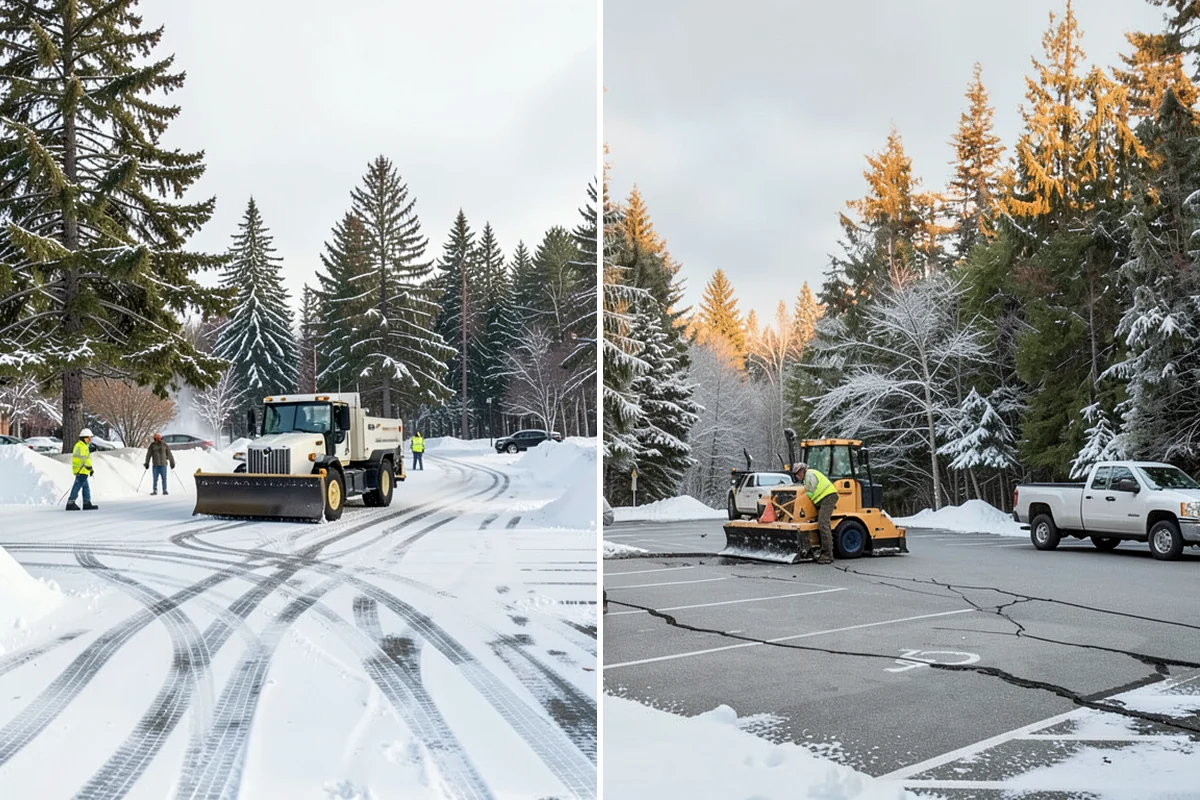
Because freezing is brief and often overnight, the work is usually treating surfaces before customers arrive. A typical visit can include:
Lakewood is trip zone C, at $350 per dispatch. Each dispatch has a 2-hour minimum.

Billed by the hour for the crew and equipment on site, plus materials.
| Plow and spreader truck with driver (Ram 5500) | $325 / hour |
| Ice melt, bagged | $45 / 50 lb bag |
| Bulk salt, applied | $300 / ton |
| Crew member (shoveling, sidewalks, hand work) | $110 / person-hour |
| Trip charge for Lakewood (zone C) | $350 / dispatch |
Prices approved Oct 2026.
There are 394 shops and stores mapped within Lakewood.
Source: OpenStreetMap contributors, Oct 2026. Named sites are examples of local facilities, not customers.
Keeps customers arriving safely and shopping longer; Reduces the storefront slip-and-fall claims retailers fear most; Treats cart corrals and crosswalks the moment doors open; Uses pretreatment to stop invisible freezing-rain glaze; Selects deicers that will not stain entry aprons or track inside