Snow Drift Removal in Lakewood, WA: What the Job Involves
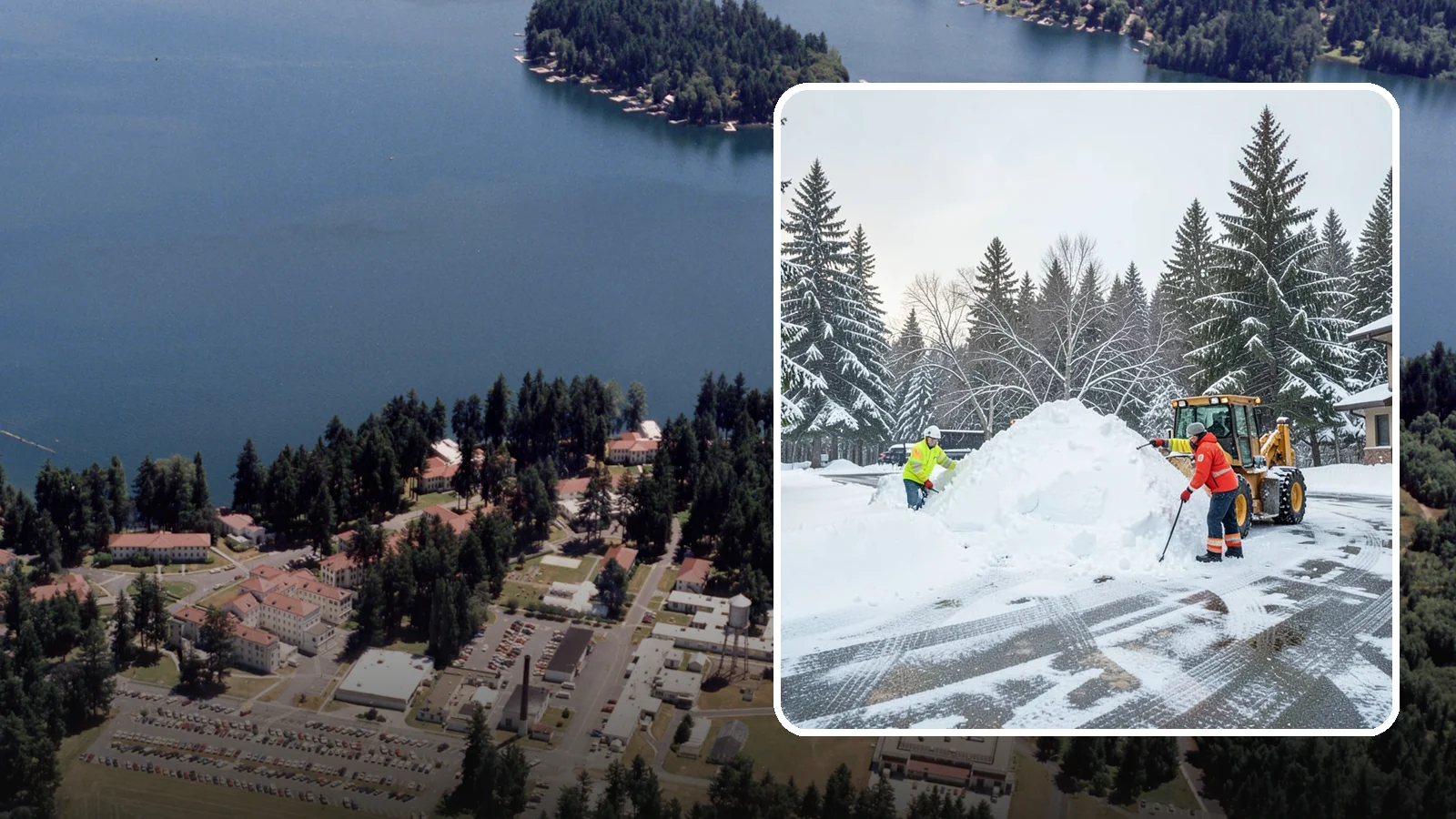
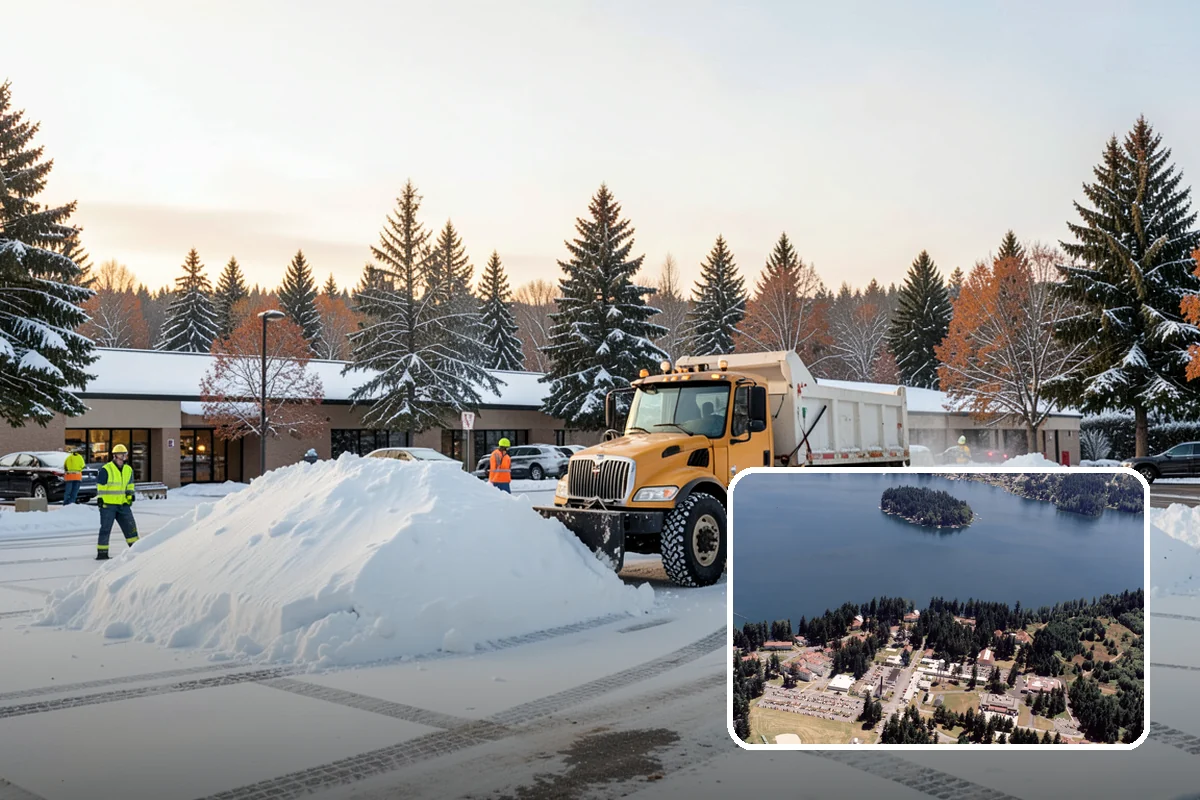
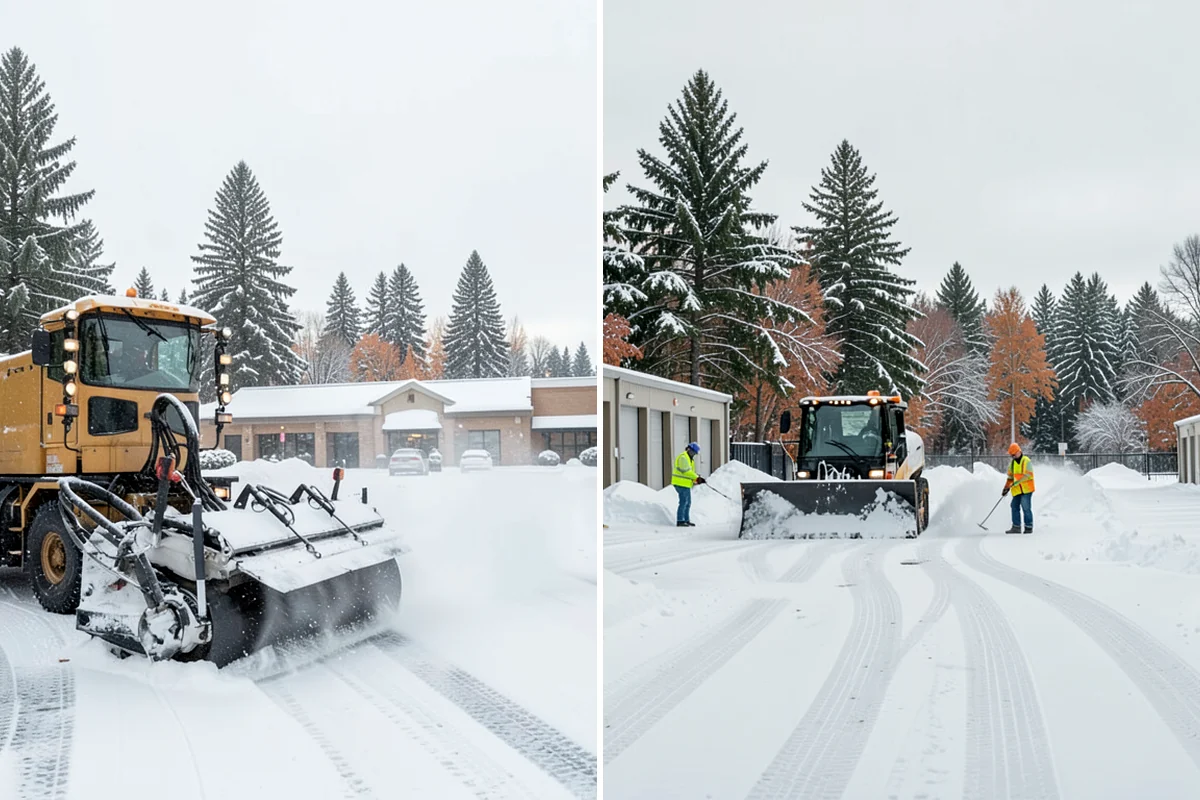
Drift work is different from plowing an even layer. Snow gathers against buildings, fences and gates, and it can block a door or a lane while the rest of the lot looks passable. We clear those spots with a plow truck, a compact track loader or hand crews, depending on the depth and the space.
Lakewood sees snow rarely. It gets 1.6 days a year with 1 in or more, and Winter Storm Warnings average 0.57 a year. Winter Weather Advisories are more common at 3.38 a year. Big storms do happen. Feb 12–15, 2021 brought 9.3 in in total, with 4.6 in on the biggest day. Jan 11, 2007 dropped 6.5 in in a single day.
Cold nights matter too. Lakewood has 35 freezing nights from Oct to Apr. Moved snow that melts by day can refreeze overnight, so we can apply ice melt or salt after clearing.
Our rates for this work:
- Plow truck with driver (Ram 3500): $250 / hour
- Compact track loader with operator (Kubota SCL1000): $175 / hour
- Crew member for shoveling and hand work: $110 / person-hour
- Bagged ice melt: $45 / 50 lb bag
- Trip charge for Lakewood (zone C): $350 / dispatch
There is a 2-hour minimum per dispatch.