What Utility Access Clearing Involves in Lakewood, WA
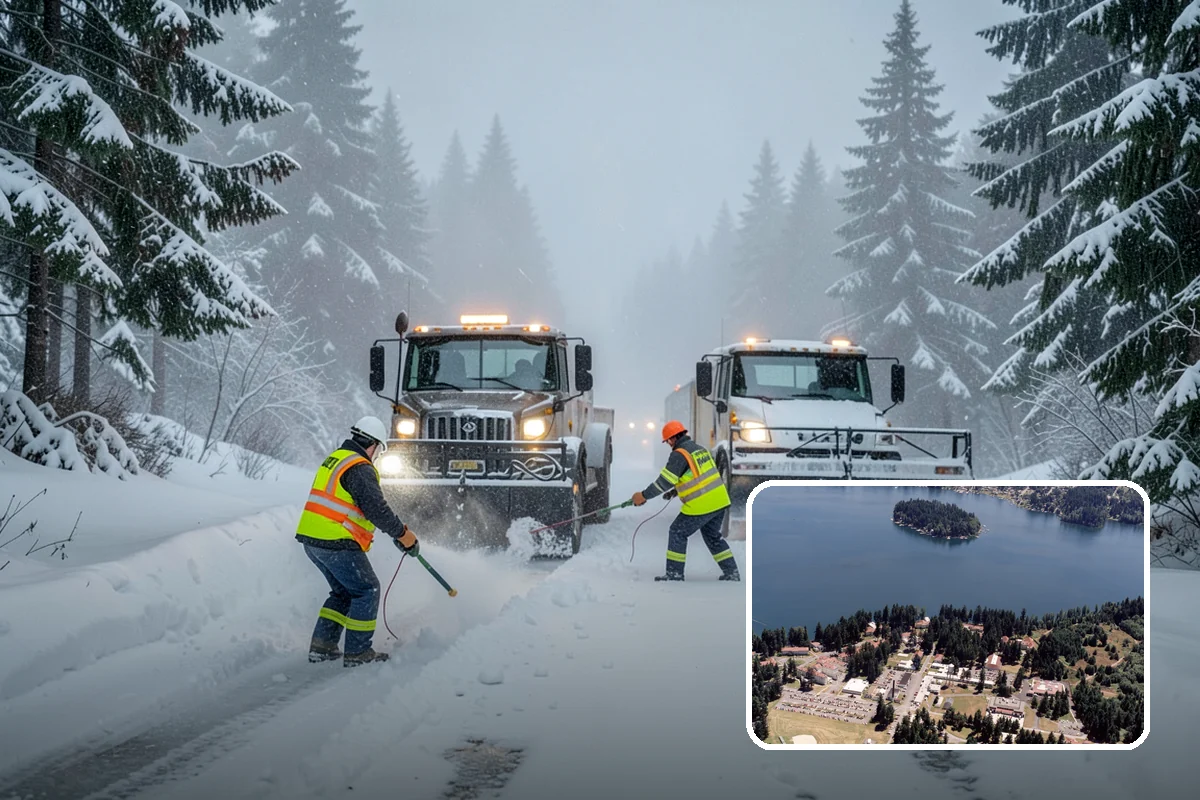
Most Lakewood snow is light and short-lived. The area has about 3 days a year with snow on the ground and 1.2 days that stay below freezing. That means a lot of the work is small and exact, not large plowing.
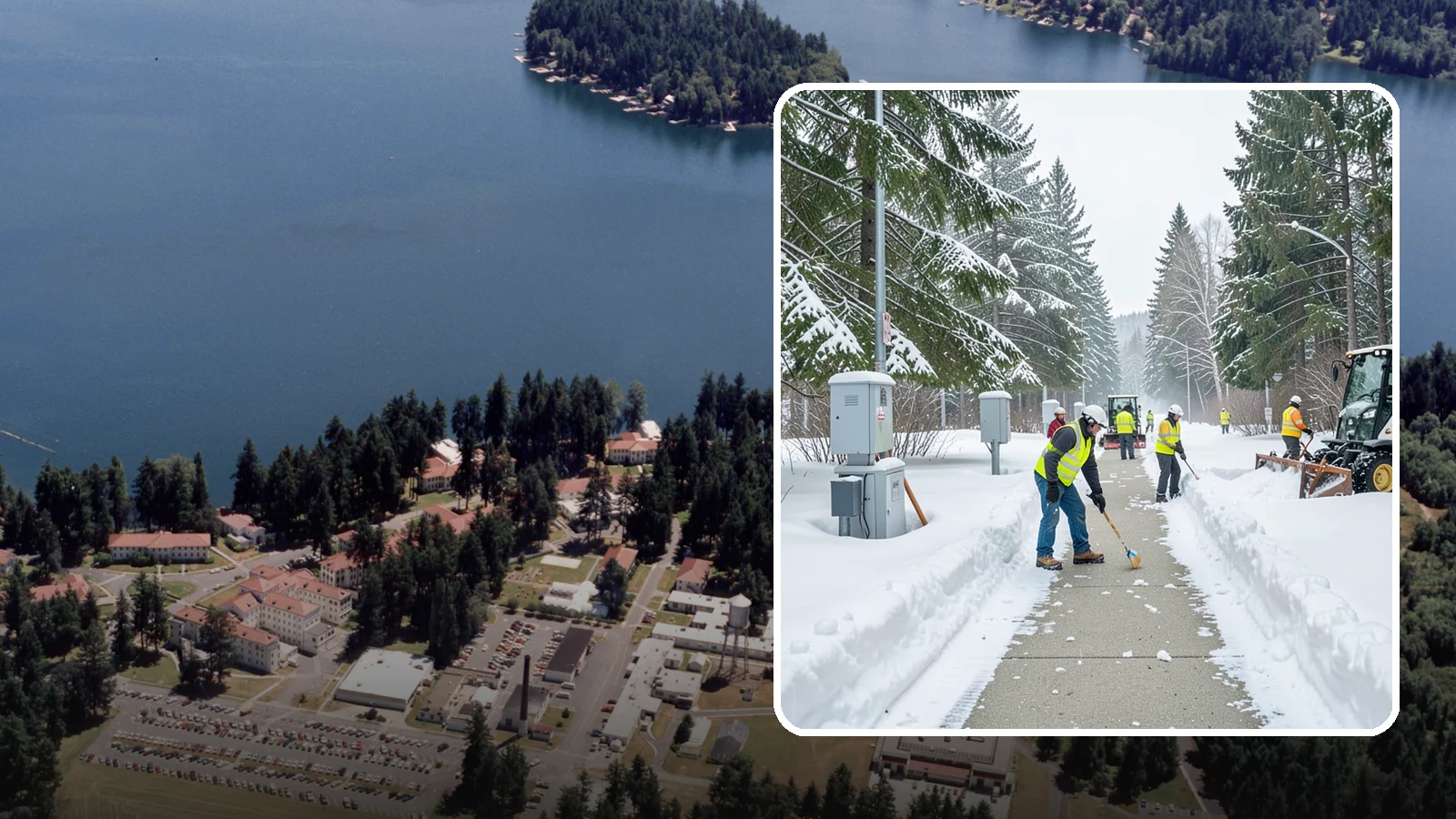
Utility points are easy to bury and easy to miss. A drift against a meter or a hydrant can slow a utility worker or an emergency crew. We clear by hand where the spots are tight, and use a compact track loader with operator (Kubota SCL1000) where there is more area to open up.
Ice is the other issue. Lakewood has 35 freezing nights between October and April, and about 3.0 light-snow days a year that need deicing. Thin snow can freeze over pads, steps and walkways leading to equipment.
- Clear snow and ice from meters, hydrants, pads and cleanouts
- Open a walking path to each access point
- Apply ice melt where a surface needs it
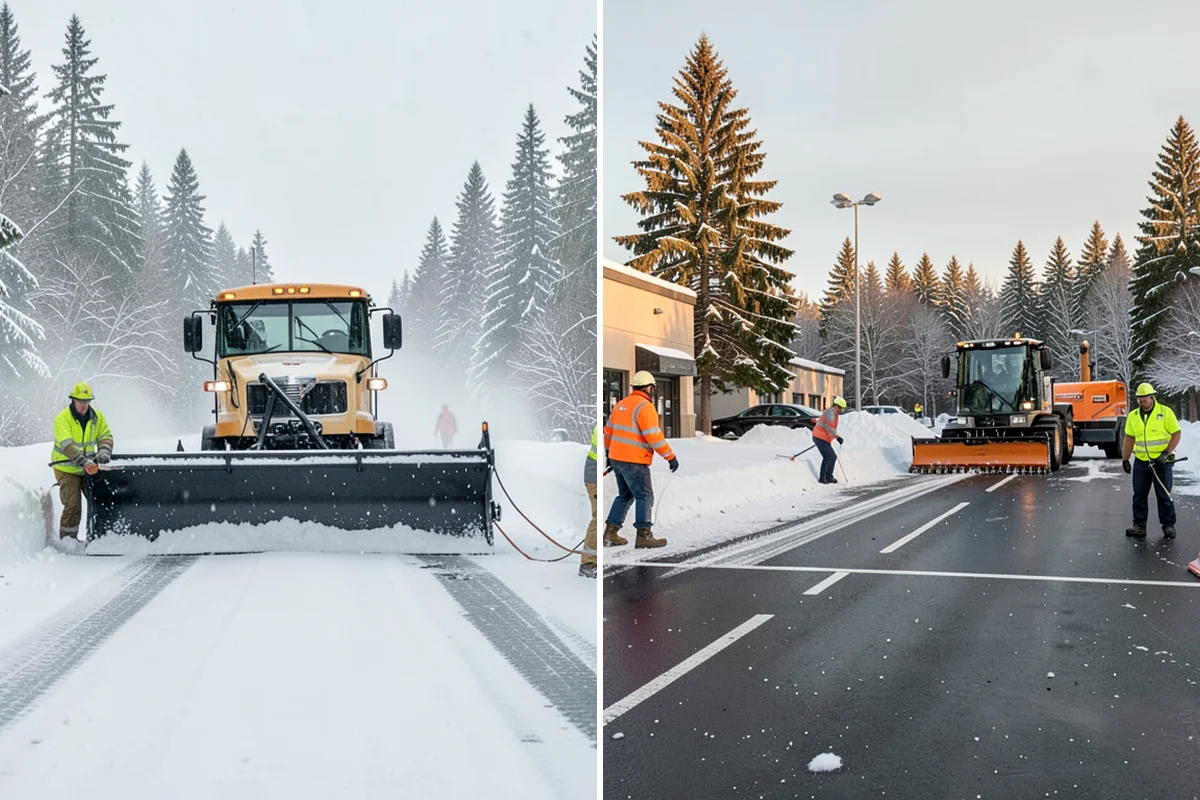
- Use hand crews or the loader, depending on the site
Pricing is simple. Crew members are $110 per person-hour, the loader with operator is $175 per hour, and bagged ice melt is $45 per 50 lb bag. Lakewood is trip zone C, at $350 per dispatch, with a 2-hour minimum. Call 206-809-9669 to discuss your site.