Ice Hazard Response at Pacific Properties: What It Involves
Pacific averages only 6.5 in of snow per season and 2.1 days a year with 1 in or more. Heavy-snow days of 4 in or more are rare, at 0.38 a year. Ice is the steadier problem. With 28 freezing nights from October to April, meltwater and frost refreeze on pavement, steps and loading areas.
Big storms do happen. The largest since 2005 was Dec 25–31, 2021, with 12.8 in total. Feb 9, 2019 brought 9.2 in in a single day. Winter Storm Warnings average 0.76 a year, so many ice events come without much warning.
A typical response can include:
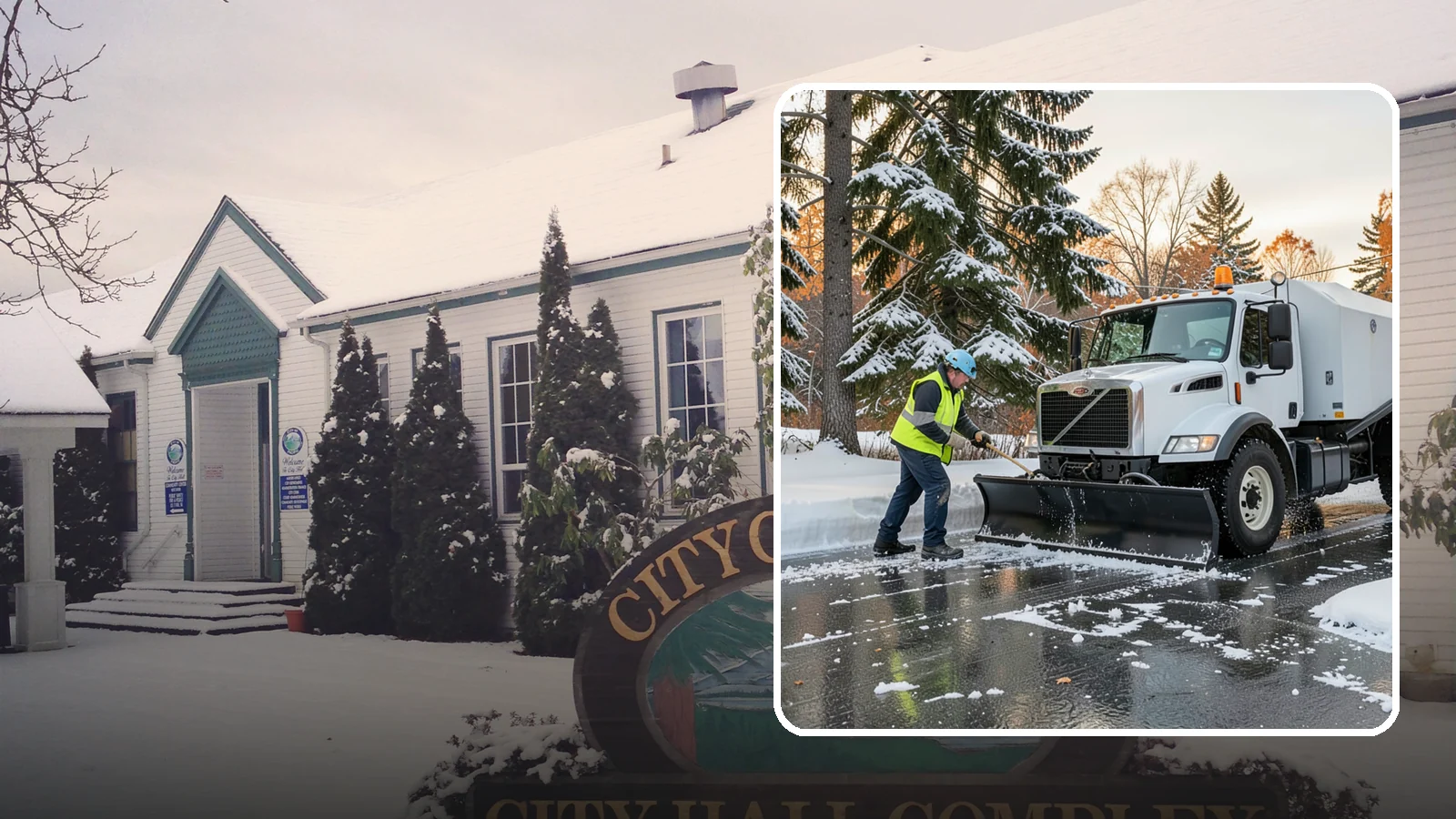
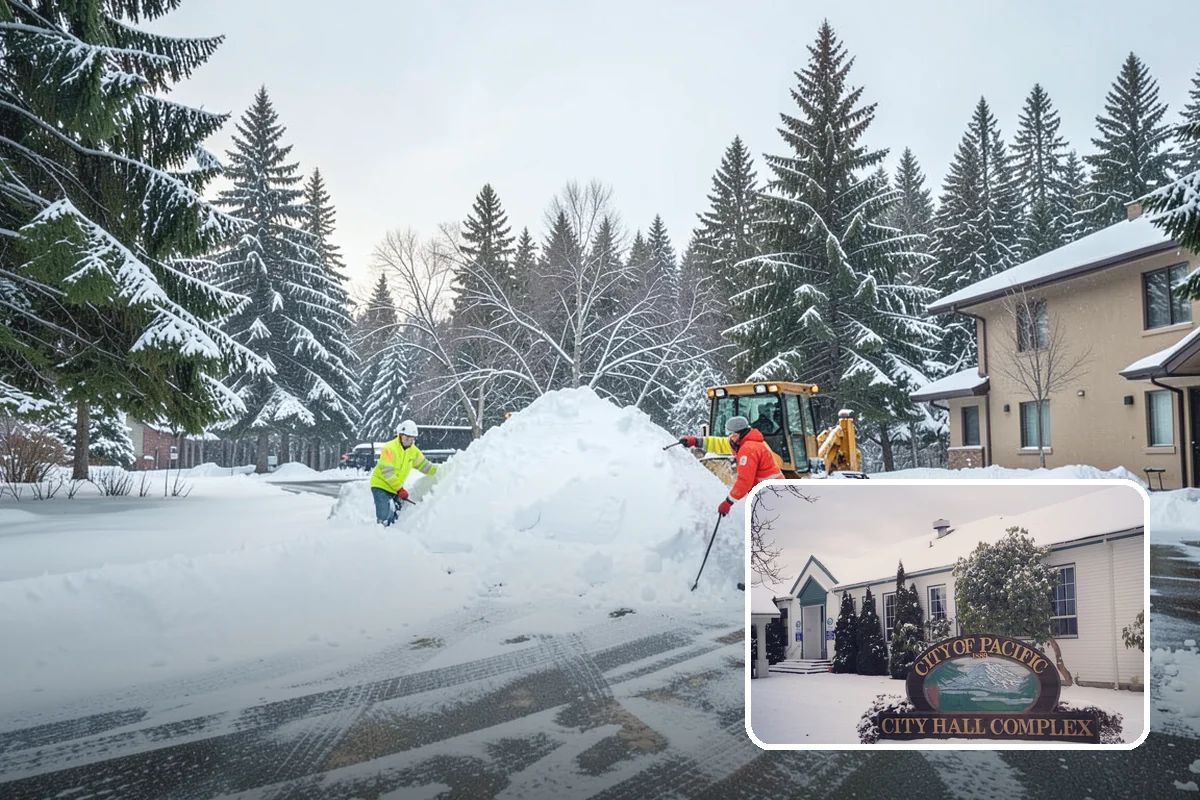
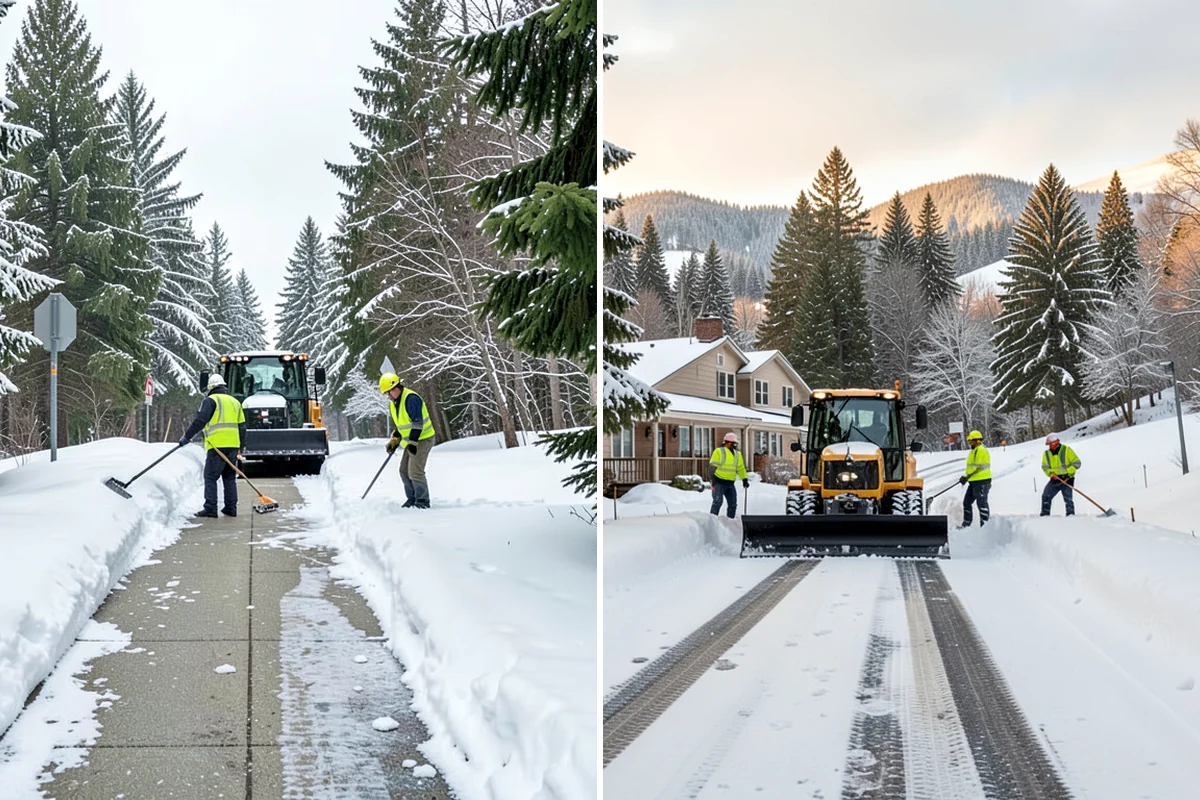
- Plowing or shoveling to clear packed snow before it turns to ice
- Spreading bulk salt or hand-applying bagged ice melt on walkways, ramps and entries
- Hand work on sidewalks and stairs where trucks cannot reach
- Using a compact track loader where tight areas need clearing
Rates are listed by equipment and labor. A plow and spreader truck with driver is $325 / hour. Bulk salt, applied, is $300 / ton. Bagged ice melt is $45 / 50 lb bag. A crew member is $110 / person-hour. Pacific is trip zone B, with a $275 / dispatch charge. Each dispatch has a 2-hour minimum.