Keeping You Moving. Beyond Expectations.

Puyallup Municipal Deicing
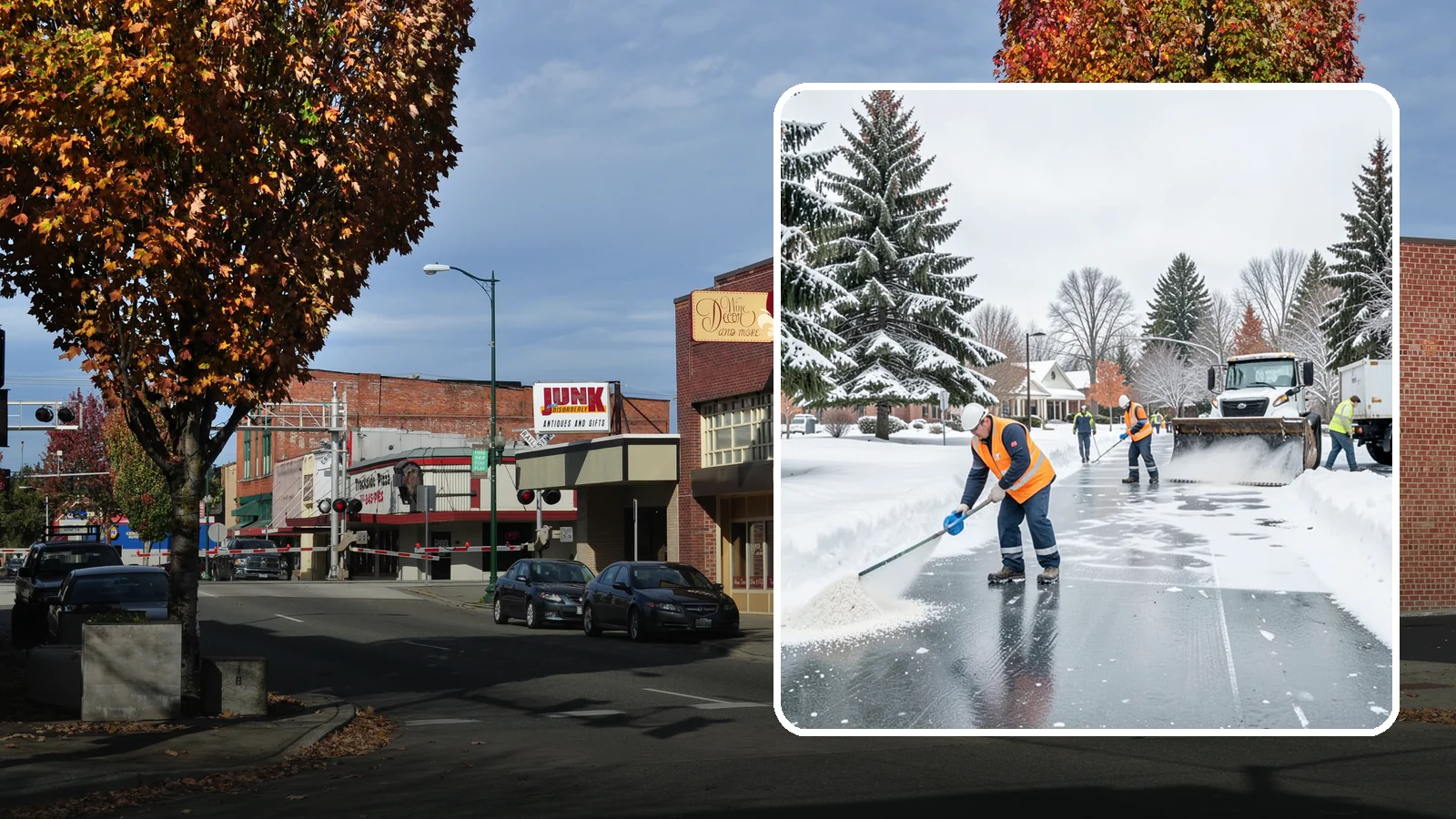
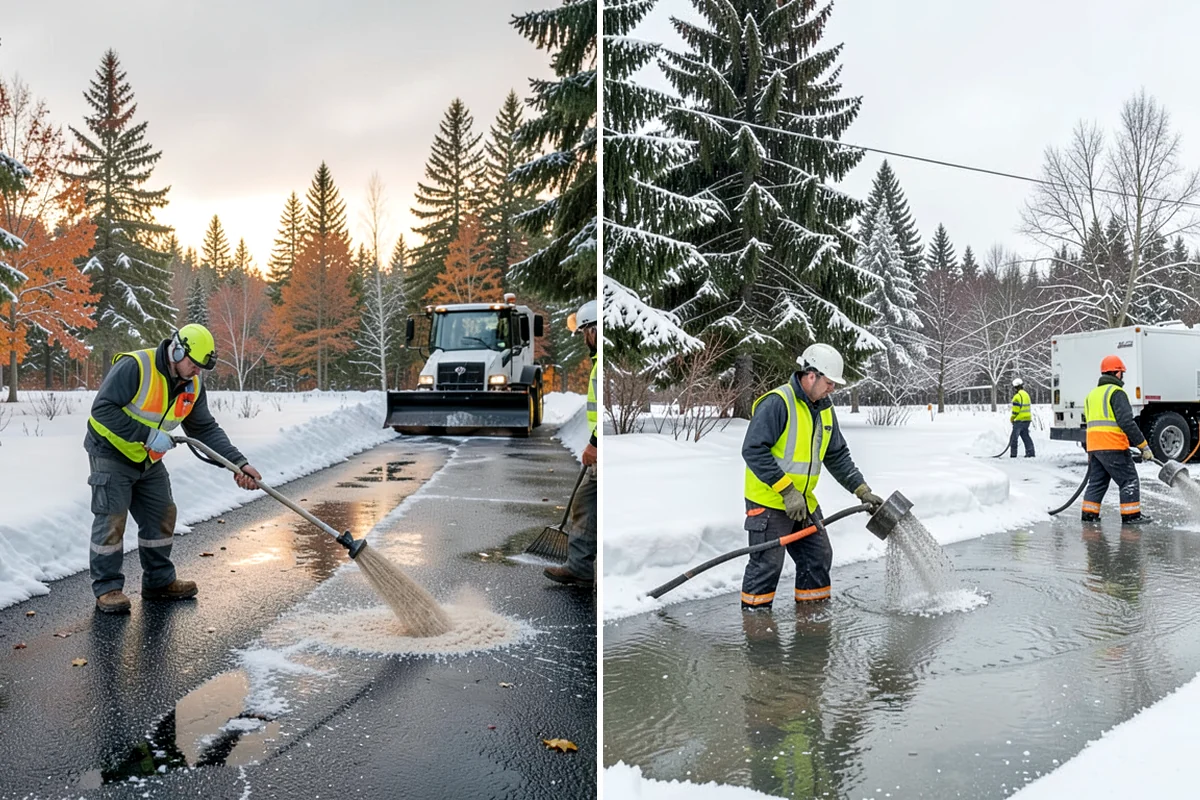
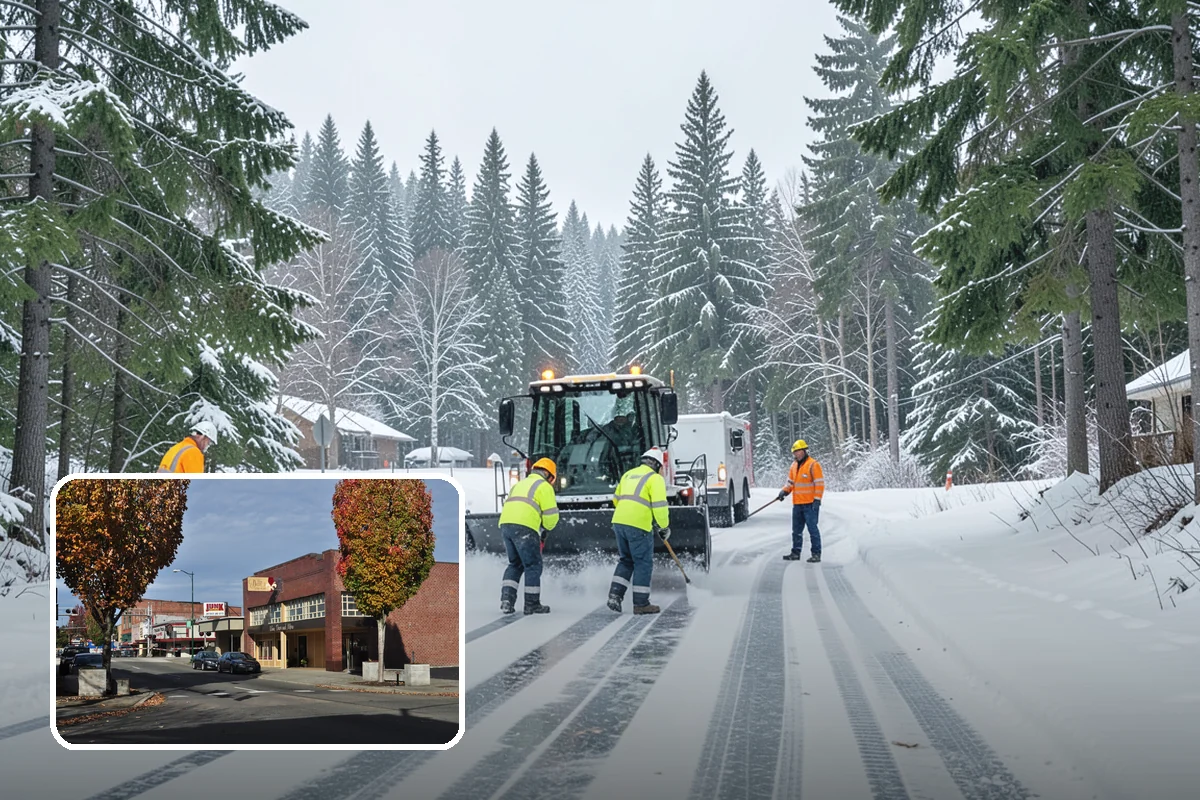
Deicing for municipal properties, keeping public entrances, civic walkways, and government lots safe for staff and citizens during a freeze.
Washington Snow Removal provides municipal deicing in Puyallup, Pierce County. Puyallup has 10 government buildings, courthouses and post offices on the map, including City of Puyallup City Hall, McCallum License Agency, Puyallup Fish Hatchery and Puyallup Post Office. Each has lots, walks or entrances that need to be clear and not slick.
We are licensed, bonded and insured, and we work from our Bothell yard, 69 minutes from Puyallup. Call 206-809-9669 to talk through your sites and how we would treat them.
Puyallup ice season, by the numbers
Average snowfall by month in Puyallup
Ice storms and freezing rain near Puyallup
- Dec 23, 2022: Ice Storm
- Jan 19–20, 2012: Ice Storm; Freezing Rain reported at 2 NNE Puyallup; Freezing Rain reported at 5 ENE Summit
- Feb 18, 2018: Sleet reported at 3 NW Orting
Sources: NOAA and National Weather Service records for Puyallup, 2005–2026.
How Municipal Deicing Works in Puyallup, WA
Puyallup does not get much deep snow. The average is 7.8 in per season, and only 2.4 days a year bring 1 in or more. Snow sits on the ground about 5 days a year. The bigger issue is ice. There are 29 freezing nights between October and April, and about 4.07 light-snow days a year need deicing even when little snow falls.
Ice has hit the area before. Records show an ice storm on Jan 19, 2012, and freezing rain reported near Summit the same day. Sleet was reported near Orting on Feb 18, 2018. A thin glaze on a walk or entrance can matter more than a few inches of snow.
At a municipal site, deicing usually involves:
- Spreading salt or ice melt on lots, walks and entrances
- Hand work on steps, ramps and doorways
- Plowing when snow reaches 1 in or more
Our rates are listed below. Each dispatch has a 2-hour minimum.
- Plow and spreader truck with driver (Ram 5500): $325 per hour
- Bulk salt, applied: $300 per ton
- Ice melt, bagged: $45 per 50 lb bag
- Crew member for shoveling, sidewalks and hand work: $110 per person-hour
- Trip charge for Puyallup (zone C): $350 per dispatch
Prices in Puyallup
Billed by the hour for the crew and equipment on site, plus materials.
| Plow and spreader truck with driver (Ram 5500) | $325 / hour |
| Ice melt, bagged | $45 / 50 lb bag |
| Bulk salt, applied | $300 / ton |
| Crew member (shoveling, sidewalks, hand work) | $110 / person-hour |
| Trip charge for Puyallup (zone C) | $350 / dispatch |
- 2-hour minimum per dispatch.
- Puyallup is 69 minutes from our Bothell yard.
Prices approved Oct 2026.
Government buildings, courthouses and post offices in Puyallup
Puyallup has 10 government buildings, courthouses and post offices on the map, each with lots, walks or entrances to keep clear.
- City of Puyallup City Hall
- McCallum License Agency
- Puyallup Fish Hatchery
- Puyallup Post Office
Source: OpenStreetMap contributors, Oct 2026. Named sites are examples of local facilities, not customers.
Service Area
Puyallup
Benefits
Keeps public entrances and civic plazas safe for citizens; Protects staff and visitors at accessible ramps; Supports municipal risk-management documentation; Handles heavy public foot traffic dependably; Uses deicers that spare aging civic concrete and masonry