Keeping You Moving. Beyond Expectations.

Puyallup Residential Parking Lot Snow Removal
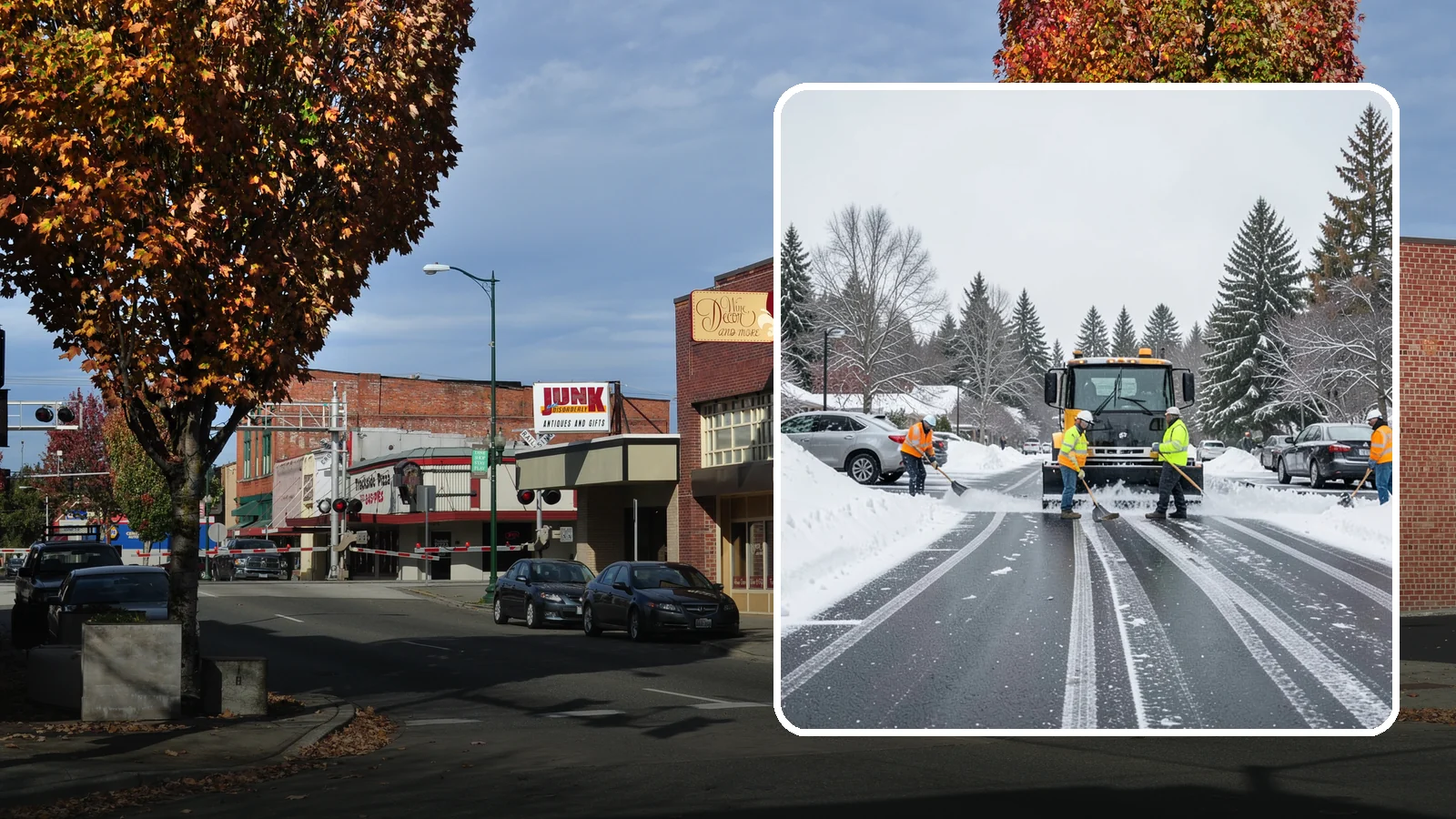
We clear shared residential parking lots across Western Washington so tenants can reach their cars the moment Puget Sound snow arrives.
Washington Snow Removal plows and treats residential parking lots in Puyallup, Pierce County. That includes lots at apartment communities, condo complexes and townhome developments. We are licensed, bonded and insured, and we work from our yard in Bothell.
Puyallup does not get much snow in an average season, about 7.8 in. But the big storms are real. A spotter near Puyallup reported 14 in on Feb 6, 2017. Call 206-809-9669 to talk through your lot and how we would handle it.
Puyallup winter workload for property managers
Average snowfall by month in Puyallup
Largest snow totals reported near Puyallup
- Feb 6, 2017: Up to 14 in, 2 spotter reports: 4 SSE Puyallup 14 in, 2 NNE Puyallup 8.1 in
- Feb 13–14, 2021: Up to 10 in, 3 spotter reports: 2 ESE Puyallup 10 in, 4.9 SE Tacoma 8 in, Puyallup 6 in
- Feb 9, 2019: Up to 9.1 in, 2 spotter reports: 2 ESE Midland 9.1 in, Puyallup 8 in
- Dec 21, 2008: 5 in measured by a spotter at 4 SSE Puyallup
Sources: NOAA and National Weather Service records for Puyallup, 2005–2026.
Residential Lot Snow Removal in Puyallup: What to Expect
A residential lot has to stay usable for people who live there. That means clear drive lanes, open parking stalls, and walkways free of ice. We plow the lanes, push snow to open areas, and treat surfaces that stay slick.
Puyallup averages 2.4 plow events and 2.4 days a year with 1 in or more of snow. Most winters bring only a few jobs. Freezing nights are more common, at 29 from Oct to Apr, so ice can be a bigger issue than deep snow. Since 2005 there have been 11 winter storm and heavy snow reports, and the biggest single day was 9.3 in. Reports of 8 in on Feb 14, 2021 near Tacoma and 6 in at Puyallup on Feb 13, 2021 show how fast a lot can fill up.
Typical work and rates for a lot like this:
- Plow truck with driver (Ram 3500): $250 / hour
- Plow and spreader truck with driver (Ram 5500): $325 / hour
- Compact track loader with operator (Kubota SCL1000): $175 / hour
- Crew member for shoveling and sidewalks: $110 / person-hour
- Ice melt, bagged: $45 / 50 lb bag
- Bulk salt, applied: $300 / ton
Puyallup is 69 minutes from our Bothell yard. The trip charge for Puyallup (zone C) is $350 / dispatch, with a 2-hour minimum per dispatch.
Prices in Puyallup
Billed by the hour for the crew and equipment on site, plus materials.
| Plow truck with driver (Ram 3500) | $250 / hour |
| Plow and spreader truck with driver (Ram 5500) | $325 / hour |
| Compact track loader with operator (Kubota SCL1000) | $175 / hour |
| Crew member (shoveling, sidewalks, hand work) | $110 / person-hour |
| Ice melt, bagged | $45 / 50 lb bag |
| Bulk salt, applied | $300 / ton |
| Trip charge for Puyallup (zone C) | $350 / dispatch |
- 2-hour minimum per dispatch.
- Puyallup is 69 minutes from our Bothell yard.
Prices approved Oct 2026.
Service Area
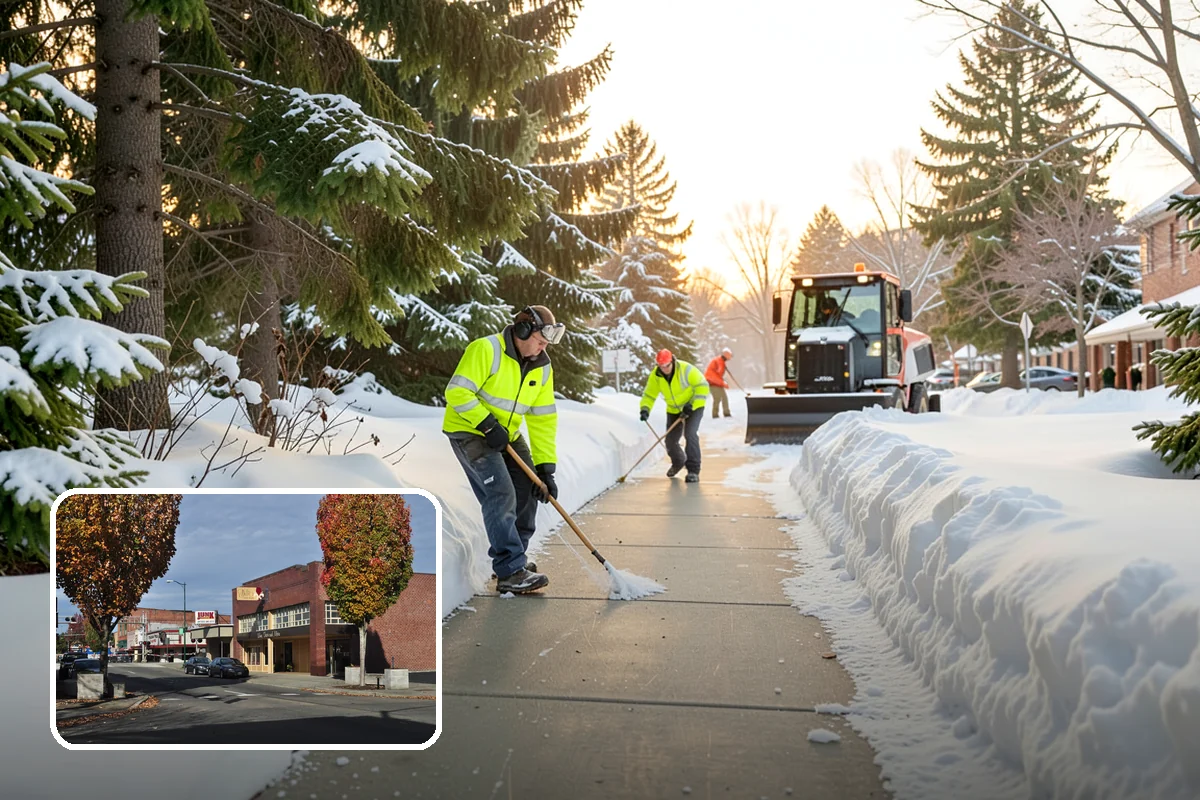
Puyallup
Benefits
Residents keep access to their vehicles during rare but disruptive lowland storms; snow is stacked where it will not eat parking spaces; refreeze is headed off with targeted deicer between events; one local contact handles the whole lot instead of scattered tenants