ADA Access Clearing in Renton: What the Work Involves
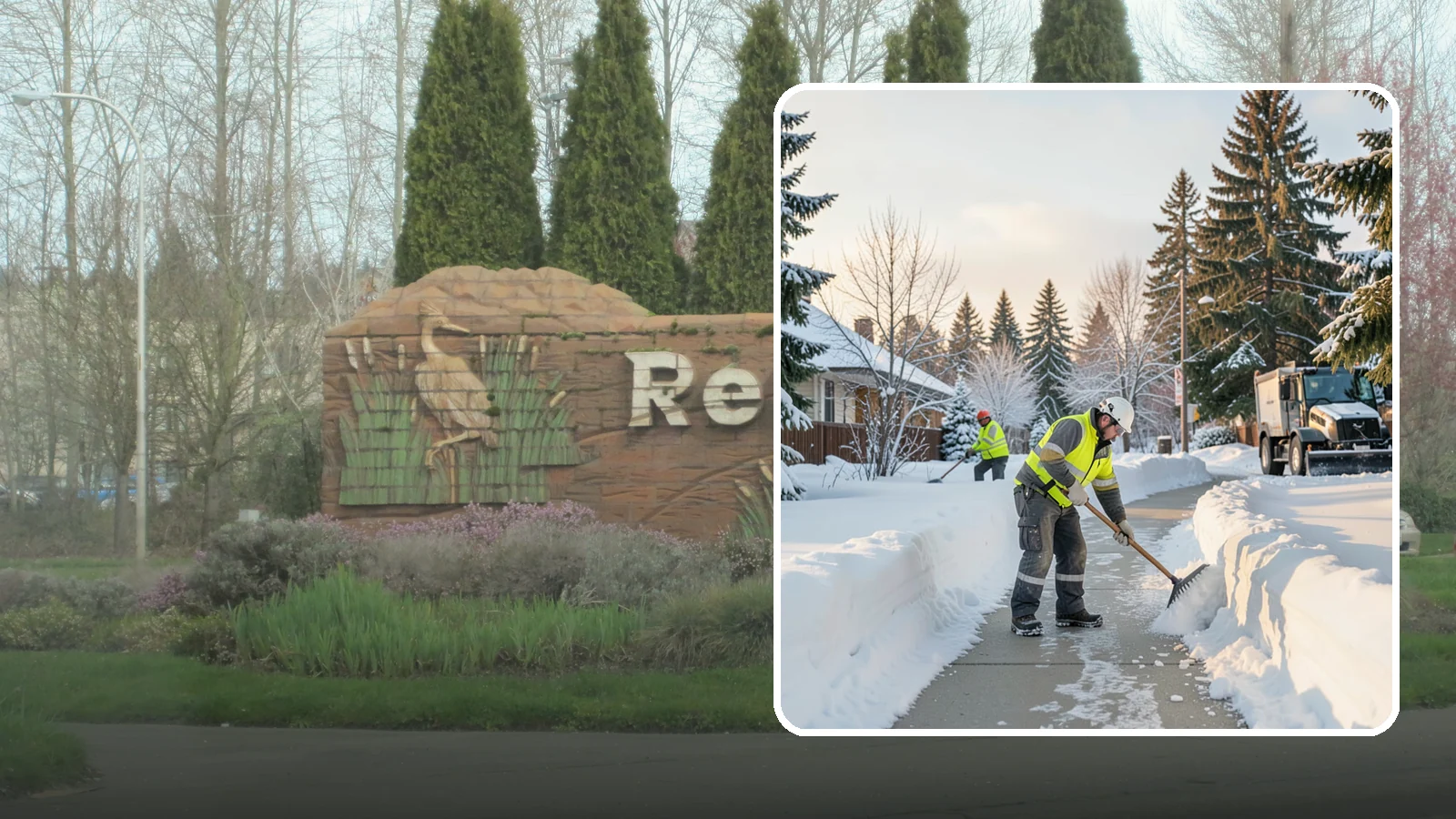
ADA clearing is detail work. The goal is a usable route, not just a plowed lot. Crews shovel by hand around ramps, bollards, door thresholds and marked stalls, where a machine cannot work safely.
- Curb ramps and landings cleared to the pavement
- Accessible stalls and striped access aisles
- Walkways from stalls to building entrances
- Ice melt applied on cleared routes
Renton's pattern shapes how we plan. Only 62% of winters have at least one 1-inch day, and snow stays on the ground about 4 days a year. Most visits are short. The risk is often ice instead of depth. Renton sees 29 freezing nights from Oct to Apr, and 1.2 days a year stay below freezing, so melt and refreeze on ramps is common.
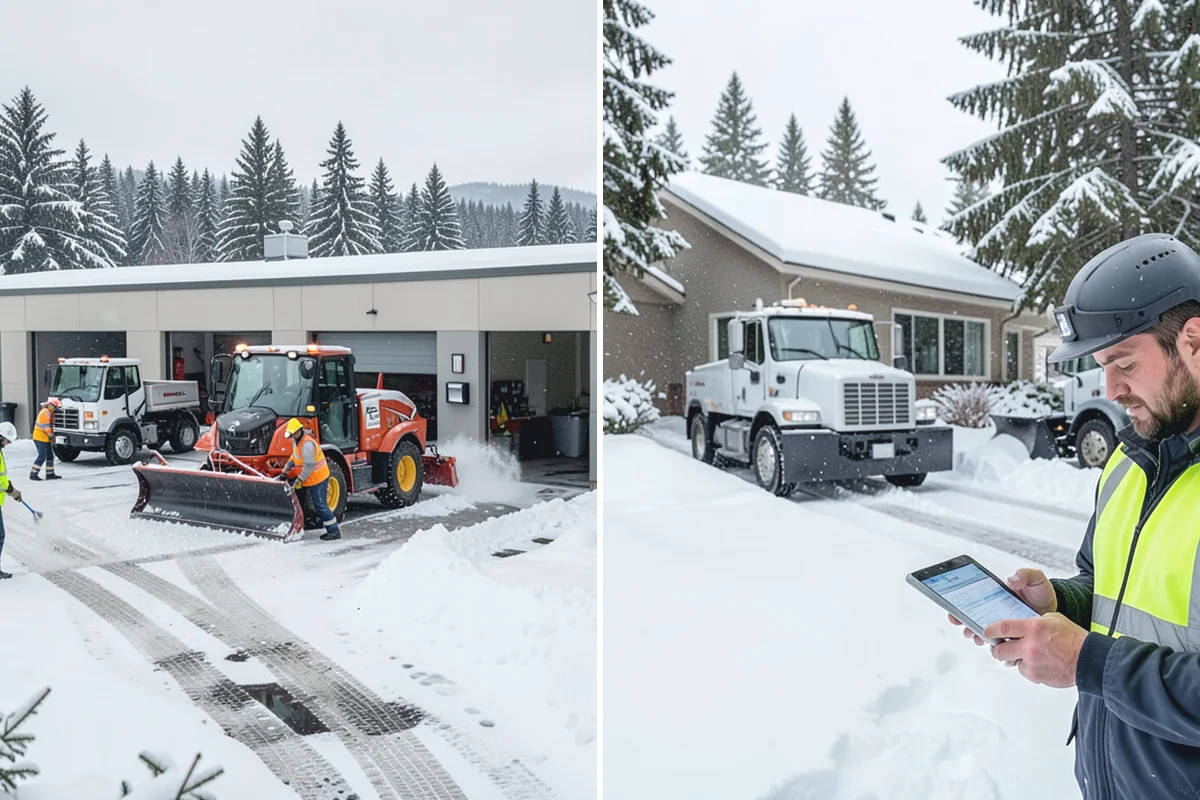
Big events do happen. Feb 5–6, 2017 put 8.0 in down on its biggest day, and 8.2 in fell in total. For deeper snow, we can add a Kubota SCL1000 compact track loader with an operator to open wider areas first.
Pricing is posted. Crew members are $110 per person-hour. The loader with operator is $175 per hour. Bagged ice melt is $45 per 50 lb bag. The Renton trip charge is $275 per dispatch, with a 2-hour minimum. Our yard in Bothell is 37 minutes away.