Keeping You Moving. Beyond Expectations.
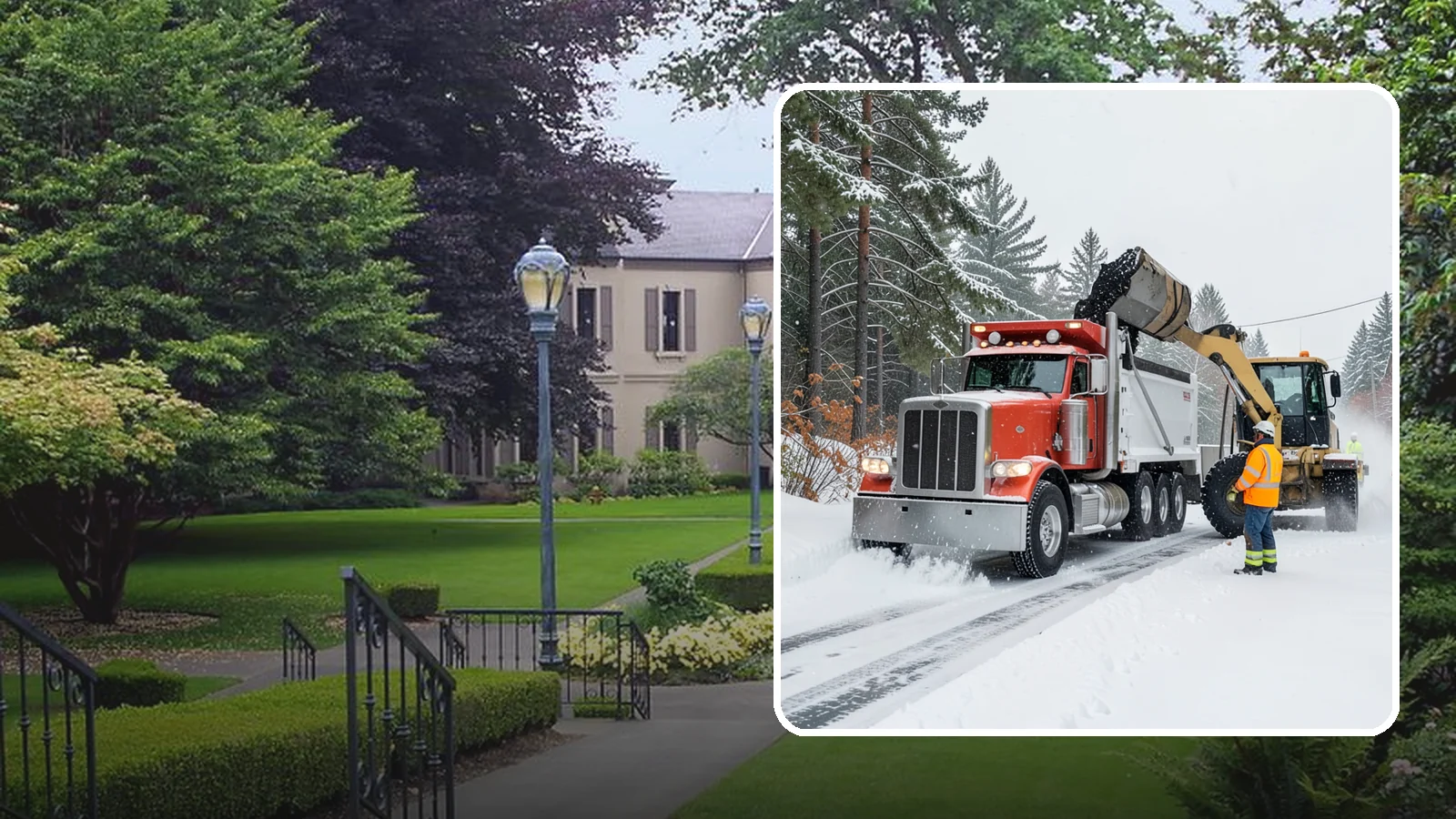
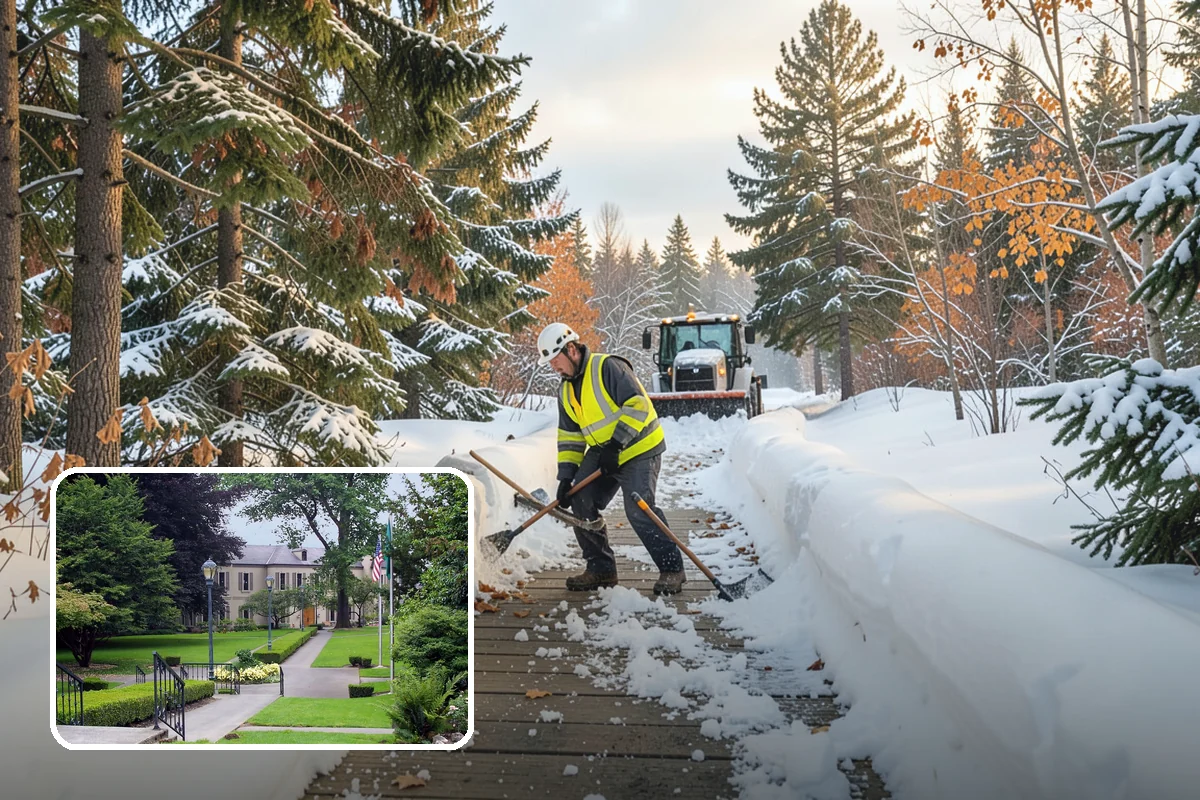
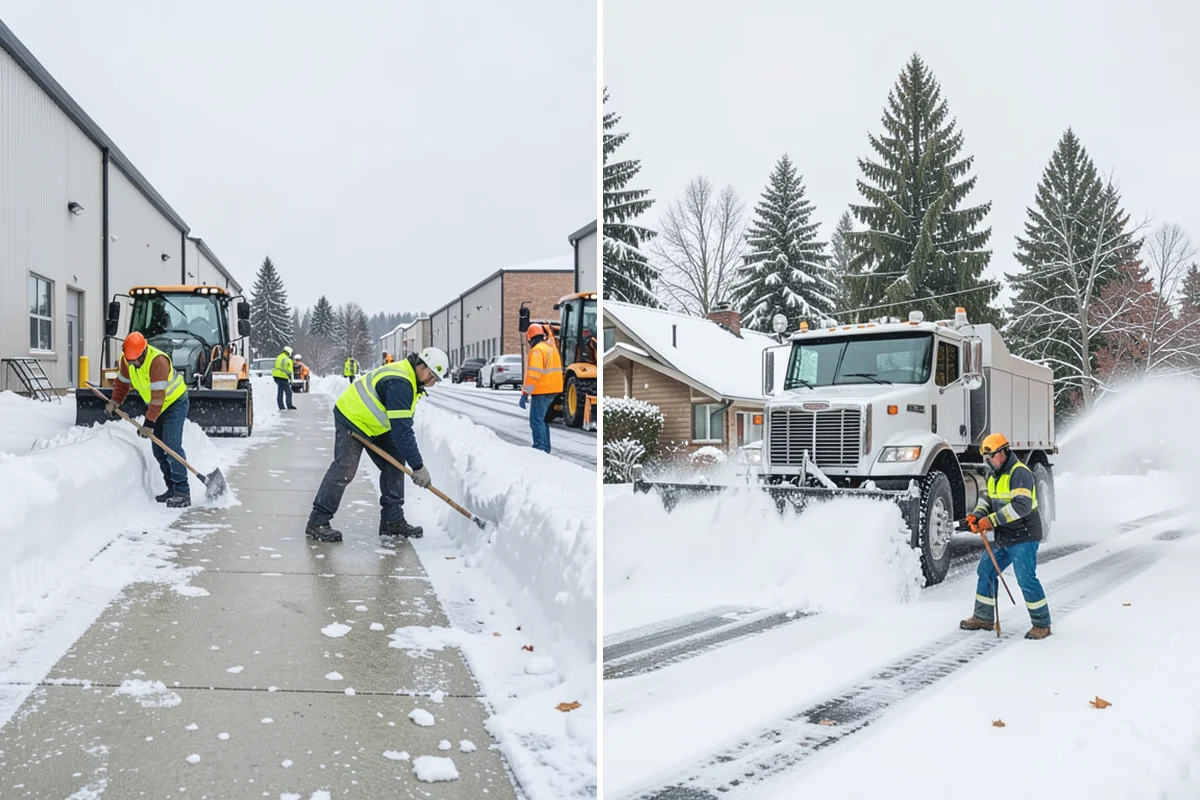
We keep active Western Washington job sites open by clearing access roads, staging areas, and material yards so winter weather does not halt your build schedule.
Construction sites in Woodinville do not stop for a few inches of snow, but snow and ice can stop work. Access roads, laydown areas and staging yards need to be clear before trucks and crews can move. Washington Snow Removal clears them. We are licensed, bonded and insured.
We work from our Bothell yard, 17 minutes from Woodinville. Woodinville averages 8.8 in of snow per season and 32 freezing nights from October to April. Call 206-809-9669 to set up a dispatch for your site.
Sources: NOAA and National Weather Service records for Woodinville, 2005–2026.
A job site has different needs than a parking lot. Gravel entrances, haul routes, material storage and temporary walkways all need attention. Equipment and deliveries have to get in, and workers have to walk safely.
Woodinville gets about 2.7 days a year with 1 in or more of snow, so most winters call for short, sharp responses. But big storms happen. Feb 12–15, 2021 brought 11.6 in total, with 6.4 in on the biggest day. Feb 3–6, 2025 brought 10.2 in. With 32 freezing nights from October to April, ice on ramps and walkways is a bigger regular problem than deep snow.
The trip charge for Woodinville (zone A) is $200 per dispatch. There is a 2-hour minimum per dispatch.

Billed by the hour for the crew and equipment on site, plus materials.
| Plow truck with driver (Ram 3500) | $250 / hour |
| Plow and spreader truck with driver (Ram 5500) | $325 / hour |
| Compact track loader with operator (Kubota SCL1000) | $175 / hour |
| Crew member (shoveling, sidewalks, hand work) | $110 / person-hour |
| Ice melt, bagged | $45 / 50 lb bag |
| Bulk salt, applied | $300 / ton |
| Trip charge for Woodinville (zone A) | $200 / dispatch |
Prices approved Oct 2026.
Keeps trades and inspections on schedule despite winter weather; Clears haul roads and staging areas so deliveries are not delayed; Operators experienced navigating rough, unfinished terrain; Reduces on-site injury risk from ice around active work zones