How ADA Access Clearing Works in Yarrow Point
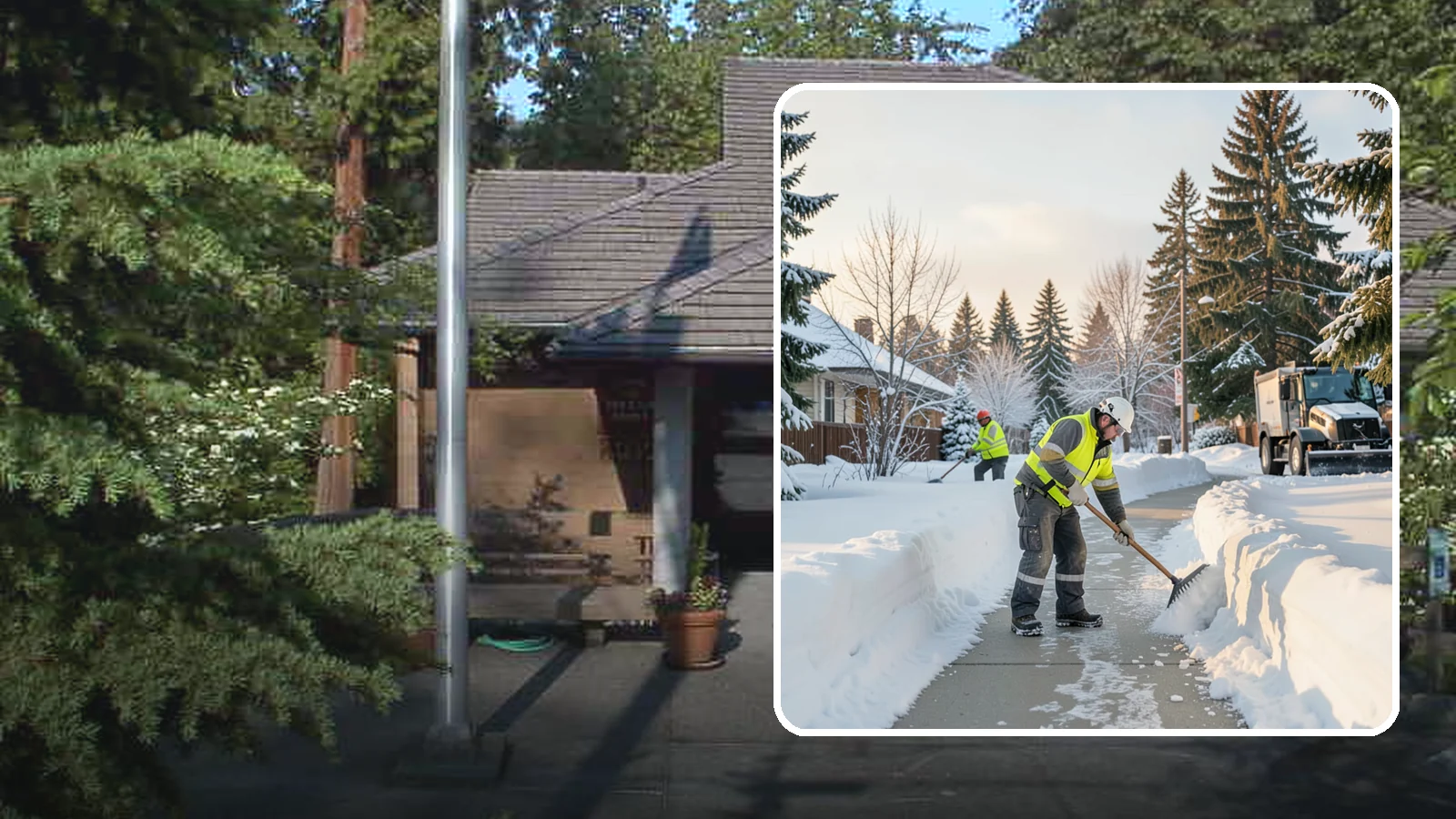
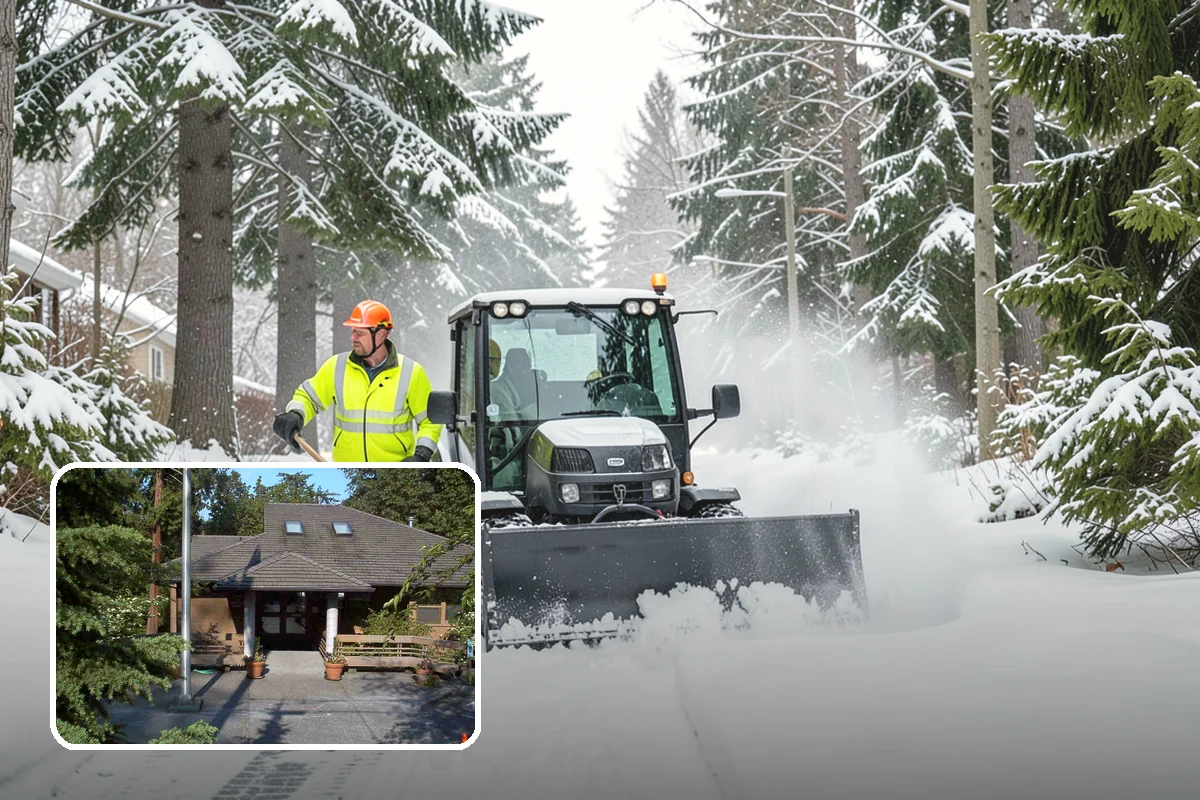
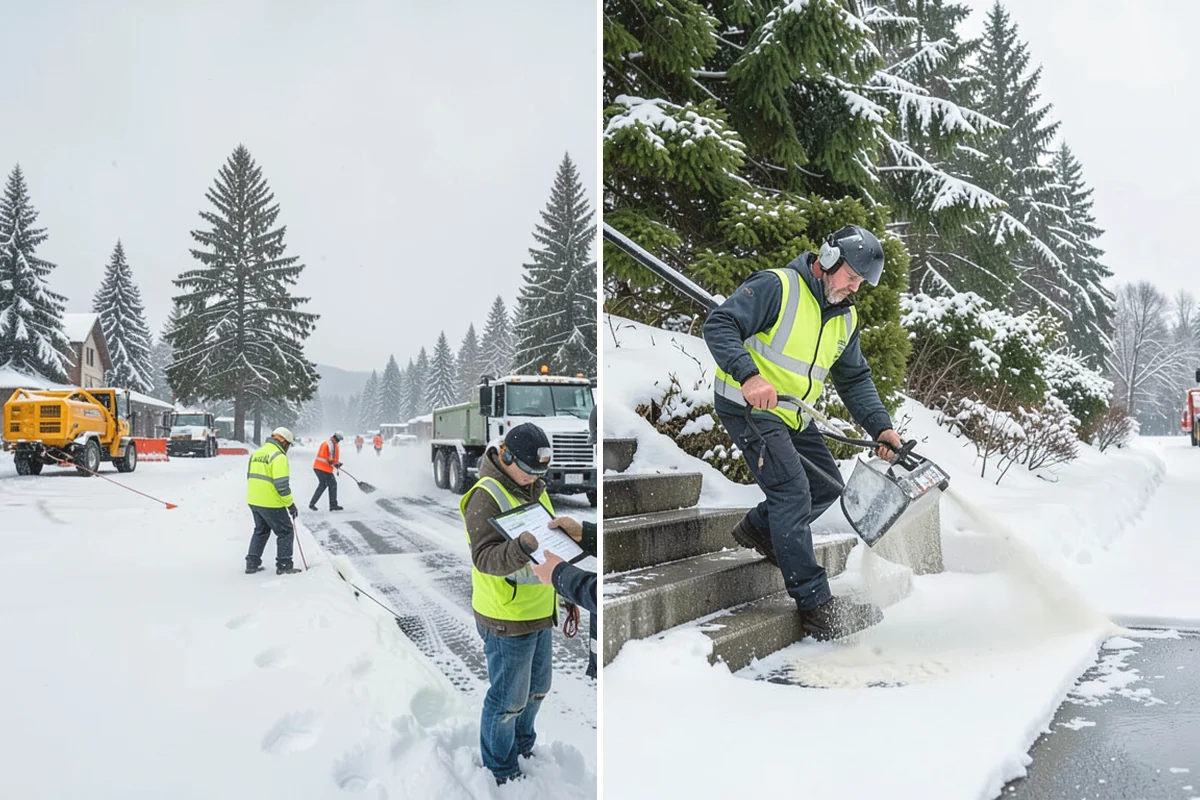
This service is hand work first. A crew member shovels and treats the accessible route, not the whole lot. Machines are too blunt for ramps and narrow paths, so we use them only where space allows.
A typical visit covers:
- Curb ramps and their landings
- Accessible parking stalls and access aisles
- The path from the stall to the entrance
- Door landings and thresholds
- Ice melt where ice has formed or is likely
Yarrow Point sees about 1.7 days a year with 1 in or more of snow, and 67% of winters have at least one such day. The bigger issue is ice. There are 28 freezing nights between October and April. Melted snow or wet pavement can refreeze overnight and leave a ramp slick at opening time. On Dec 23, 2022, freezing rain was reported near Kirkland and in Seattle, a reminder that glaze can arrive without much snow.
Pricing is simple. Crew members are $110 per person-hour. Bagged ice melt is $45 per 50 lb bag. The trip charge for Yarrow Point (zone A) is $200 per dispatch, and there is a 2-hour minimum per dispatch. If a compact track loader helps with a larger accessible lot, it is $175 per hour with operator.