Keeping You Moving. Beyond Expectations.
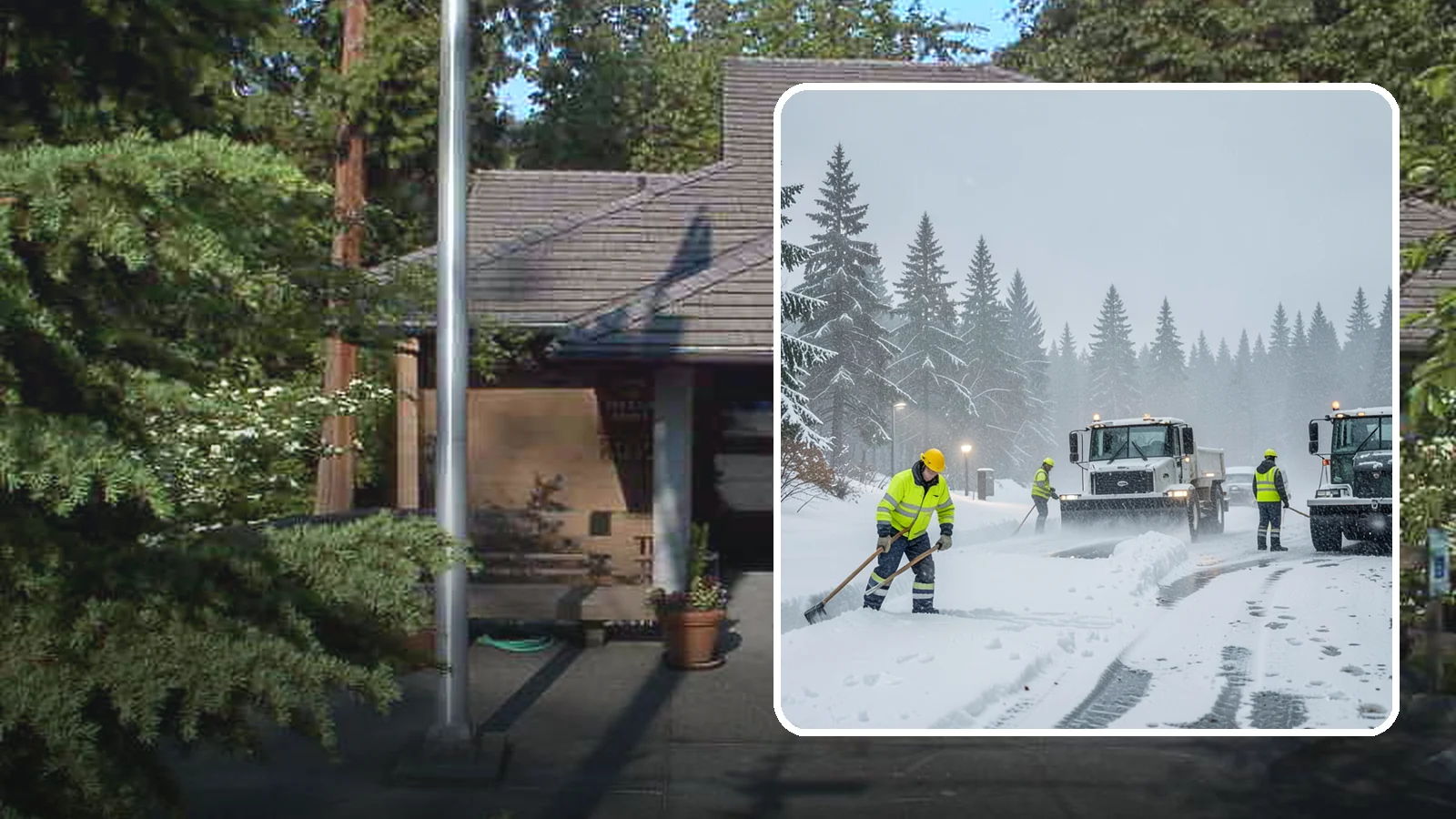
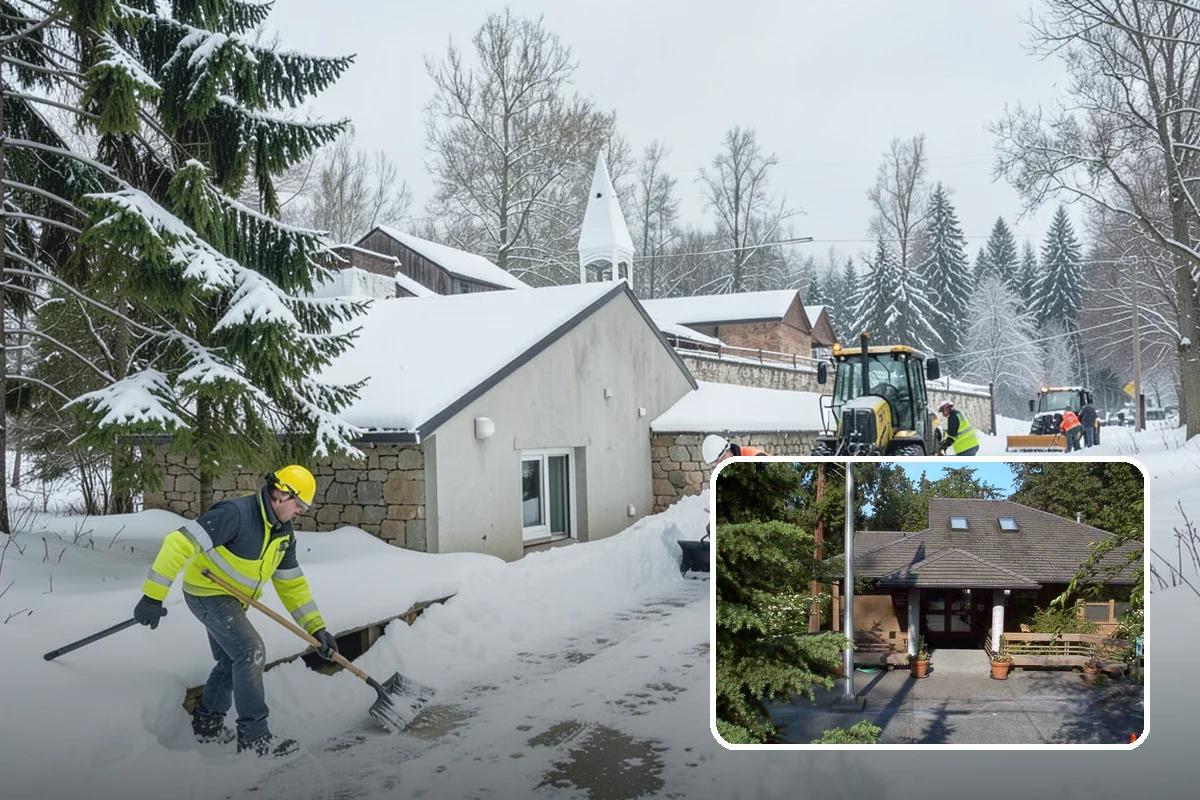
When freezing rain turns every surface to invisible glass, we treat your property before the first fall happens.
Freezing rain is a different problem from snow in Yarrow Point. Yarrow Point averages 5.4 in of snow per season, but it logs 28 freezing nights between October and April. A thin glaze on a driveway, a dock approach or a private road can be hard to see and hard to walk on.
Washington Snow Removal responds from our Bothell yard, 25 minutes away. We are licensed, bonded and insured. Call 206-809-9669 to set up freezing rain response for your Yarrow Point property.
Sources: NOAA and National Weather Service records for Yarrow Point, 2005–2026.
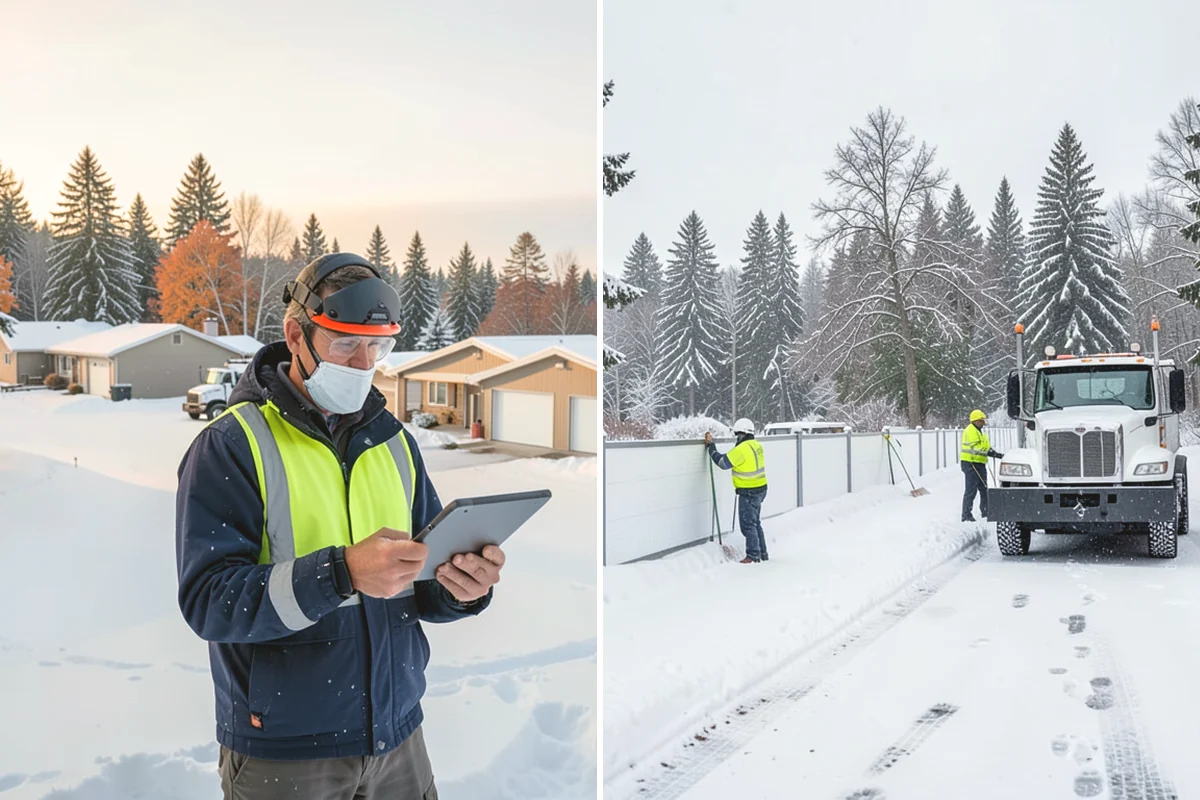
Freezing rain response is mostly about ice control, not plowing. At a Yarrow Point home, that means treating the surfaces people and cars use every day. Steep driveways, entry steps, walkways and shared lanes come first.
Our local pattern shows why this matters. The area sees 1.7 days a year with 1 in or more of snow and 0.17 heavy-snow days. Yet it sees about 1.05 Winter Storm Warnings a year. Recent events include Heavy Snow on Dec 26, 2021, Heavy Snow on Nov 29, 2022, and Winter Weather on Dec 1, 2022. The largest storm since 2005 brought 12.1 in. Most winters are mild, so ice can catch a property off guard.
A typical visit may include:
Each dispatch to Yarrow Point (zone A) has a $200 trip charge and a 2-hour minimum. Call 206-809-9669 to discuss your property.

Billed by the hour for the crew and equipment on site, plus materials.
| Plow truck with driver (Ram 3500) | $250 / hour |
| Plow and spreader truck with driver (Ram 5500) | $325 / hour |
| Compact track loader with operator (Kubota SCL1000) | $175 / hour |
| Crew member (shoveling, sidewalks, hand work) | $110 / person-hour |
| Ice melt, bagged | $45 / 50 lb bag |
| Bulk salt, applied | $300 / ton |
| Trip charge for Yarrow Point (zone A) | $200 / dispatch |
Prices approved Oct 2026.
Pre-treatment that stops the glaze from bonding before drizzle even falls; Targeted attention to the clear, hard-to-see layer that causes surprise falls; Extra coverage on shaded and north-facing surfaces that stay frozen longest; Reduced liability from slip-and-fall claims during marginal-temperature events