Keeping You Moving. Beyond Expectations.
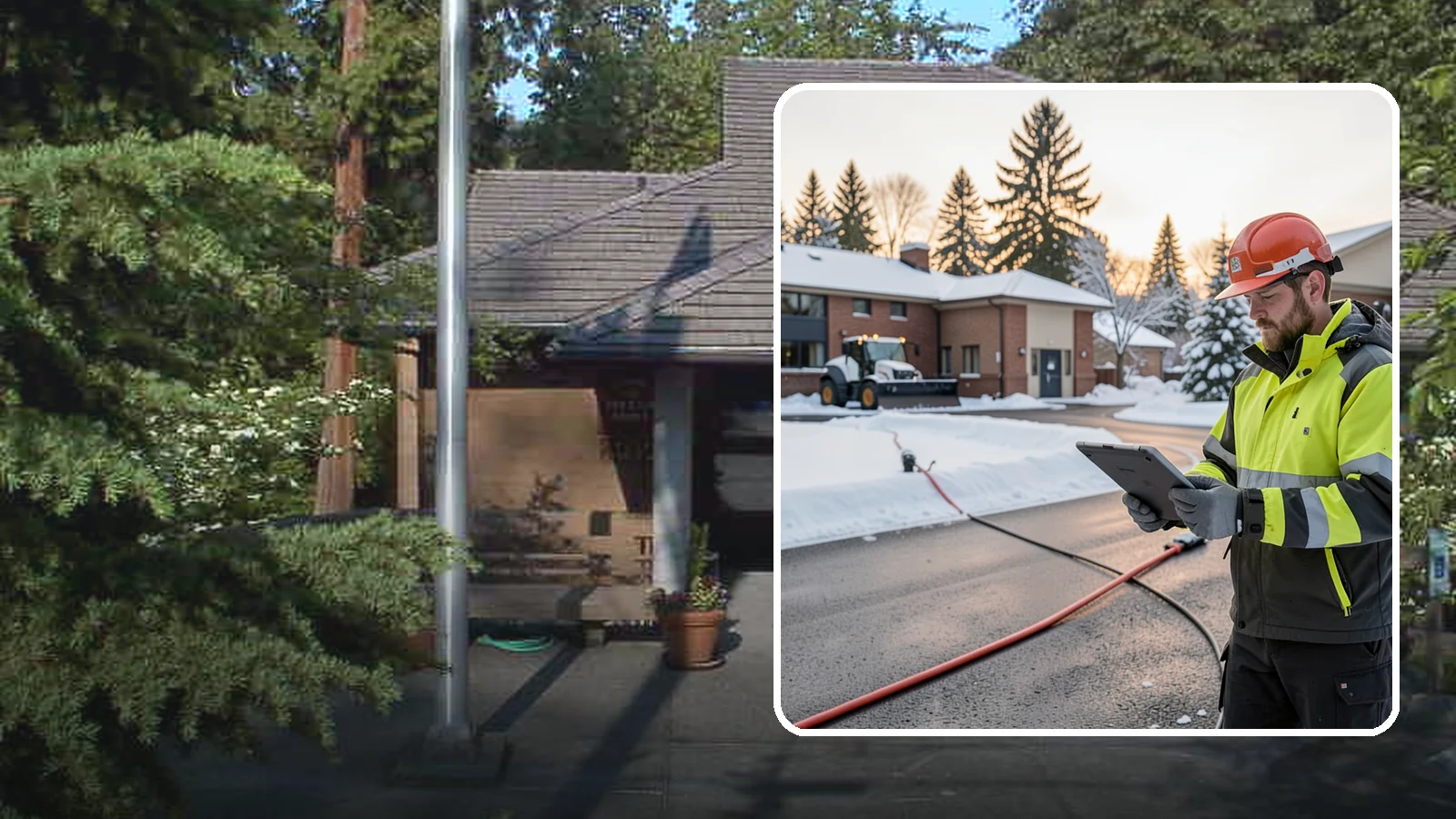
Refreeze prevention stops daytime meltwater from turning back into dangerous ice once temperatures drop after dark.
Refreeze prevention in Yarrow Point is about the hours after the snow is gone. Meltwater runs across driveways, steps and walkways, then freezes on a clear night. Yarrow Point averages 5.4 in of snow per season, so the problem is usually a thin glaze, not a deep pack.
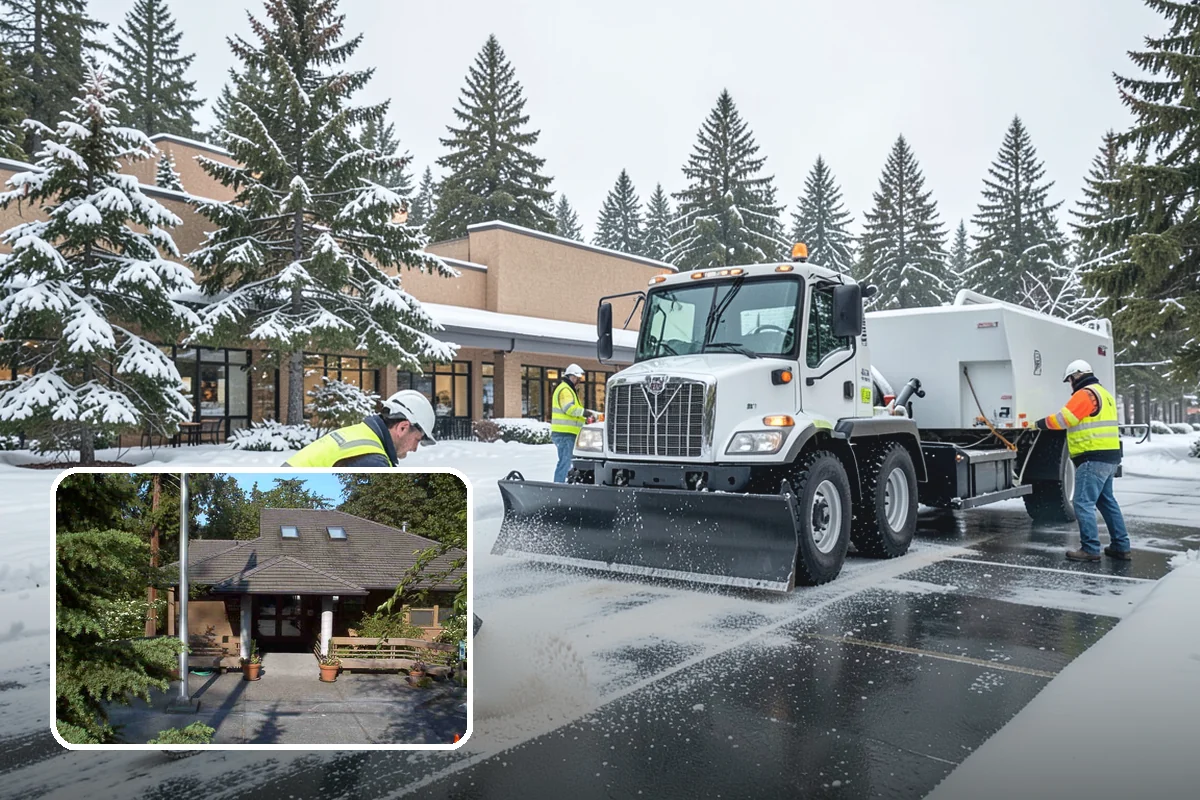
Washington Snow Removal is licensed, bonded and insured. We work from our Bothell yard, 25 minutes away, and we treat surfaces so wet pavement does not turn to ice. Call 206-809-9669 to talk through your property.

Sources: NOAA and National Weather Service records for Yarrow Point, 2005–2026.
Yarrow Point has 28 freezing nights between October and April. Snow itself is rare. Only 1.7 days a year bring 1 in or more, and snow sits on the ground about 3 days a year. The bigger risk is light snow and damp nights. Our records count 3.22 light-snow days a year that need deicing. Recent events in the area include Feb 4, 2025 (Winter Weather) and Heavy Snow on Feb 8 and Feb 11, 2019.
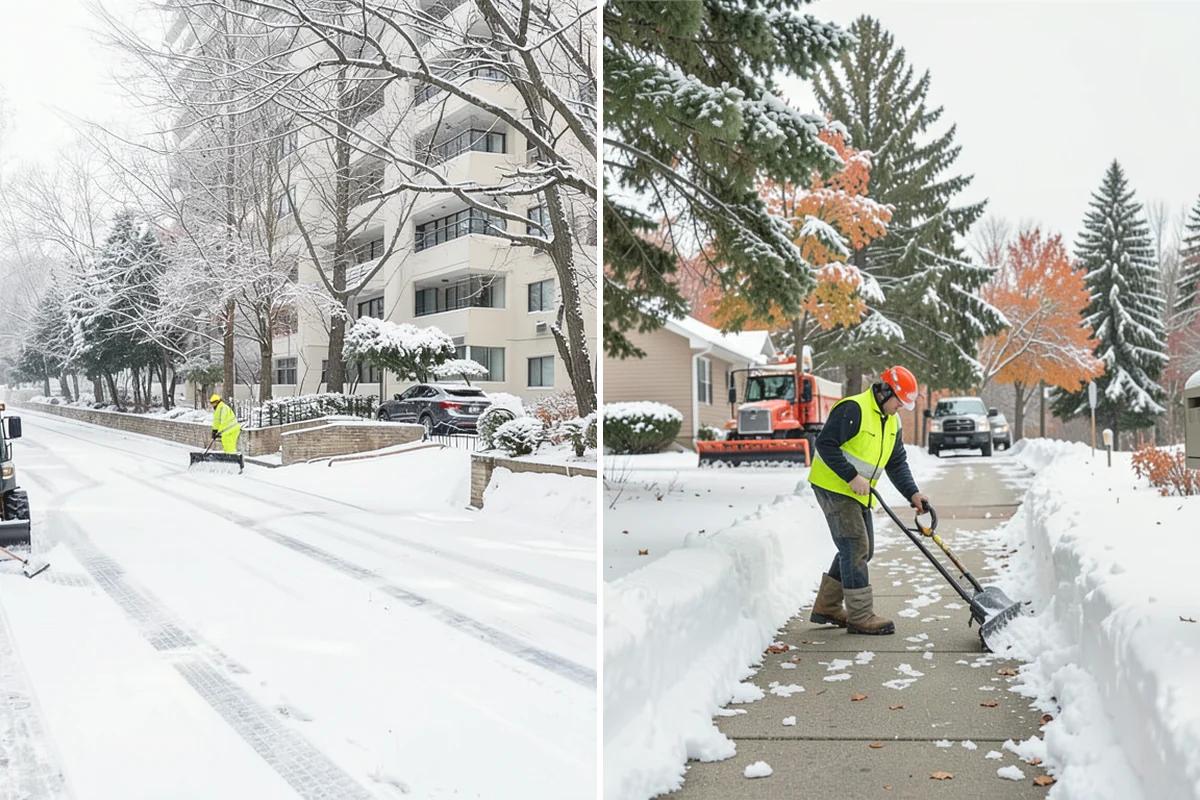
On a residential lot, refreeze prevention usually means treating the places people walk and park. Sloped driveways and shaded steps are the usual trouble spots.
Pricing is listed up front. Bagged ice melt is $45 per 50 lb bag. Bulk salt, applied, is $300 per ton. A plow and spreader truck with driver (Ram 5500) is $325 per hour. A crew member for shoveling and hand work is $110 per person-hour. The trip charge for Yarrow Point (zone A) is $200 per dispatch, and each dispatch has a 2-hour minimum.
Billed by the hour for the crew and equipment on site, plus materials.
| Plow and spreader truck with driver (Ram 5500) | $325 / hour |
| Ice melt, bagged | $45 / 50 lb bag |
| Bulk salt, applied | $300 / ton |
| Crew member (shoveling, sidewalks, hand work) | $110 / person-hour |
| Trip charge for Yarrow Point (zone A) | $200 / dispatch |
Prices approved Oct 2026.
Stops afternoon melt from refreezing into overnight glaze; Targets shaded and low-lying refreeze hot spots; Timed to the afternoon-to-evening temperature drop; Keeps midday-safe surfaces safe after dark