Keeping You Moving. Beyond Expectations.

Carbonado Fire Lane Clearing
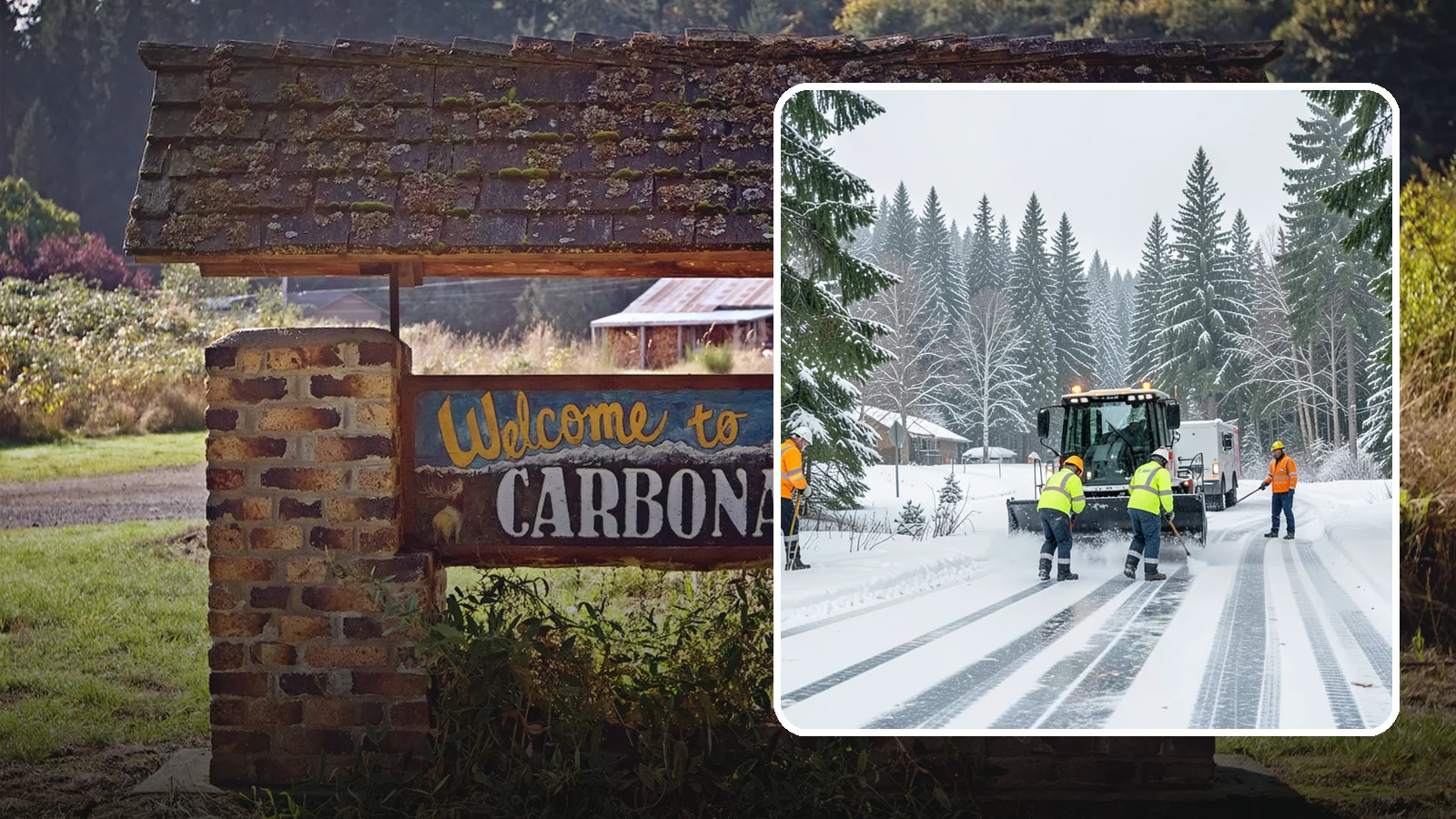
We keep marked fire lanes clear during snow events so emergency vehicles always have unobstructed access.
Fire lanes have to stay open, and snow and ice can close them fast. Washington Snow Removal clears fire lanes at commercial and multi-unit properties in Carbonado, Pierce County. We are licensed, bonded and insured.
Carbonado averages about 6.9 in of snow per season, and most seasons bring around 2.83 plow events. Our yard is in Bothell, 93 minutes away, so each visit is a dispatch with a 2-hour minimum. Call 206-809-9669 to talk through your property.
Carbonado winter workload for property managers
Average snowfall by month in Carbonado
Biggest storms in Carbonado since 2005
- Feb 6, 2017: 14.5 in total, 14.5 in on the biggest day
- Jan 15–20, 2012: 13.9 in total, 5.5 in on the biggest day
- Dec 1–2, 2022: 12.1 in total, 7.2 in on the biggest day
- Feb 11–13, 2019: 12.0 in total, 10.0 in on the biggest day
Sources: NOAA and National Weather Service records for Carbonado, 2005–2026.
Fire Lane Clearing in Carbonado: What the Work Involves
A fire lane is only useful if a fire truck can drive it, turn in it and reach a hydrant or building entry. Clearing it means more than plowing a single pass. We push snow to areas that do not block access, and we keep hydrants, standpipe connections and marked curbs visible.
- Plow truck with driver (Ram 3500): $250 / hour
- Plow and spreader truck with driver (Ram 5500): $325 / hour
- Compact track loader with operator (Kubota SCL1000): $175 / hour
- Crew member for shoveling and hand work: $110 / person-hour
- Bagged ice melt: $45 / 50 lb bag
- Bulk salt, applied: $300 / ton
Carbonado does not get much snow in a typical year. Snow levels here are approximate because records near Carbonado are limited. Still, the area sees about 2.8 days a year with 1 in or more, and about 46 freezing nights from October to April. About 1.0 light-snow day a year needs deicing, and Winter Storm Warnings average 1.24 a year.
Big storms do happen. Since 2005, the largest was on Feb 6, 2017, with 14.5 in in one day. Dec 1–2, 2022 brought 12.1 in in total. Heavy events like these can leave deep piles and narrow lanes.
Dispatches to Carbonado carry a $525 trip charge, plus a 2-hour minimum.
Prices in Carbonado
Billed by the hour for the crew and equipment on site, plus materials.
| Plow truck with driver (Ram 3500) | $250 / hour |
| Plow and spreader truck with driver (Ram 5500) | $325 / hour |
| Compact track loader with operator (Kubota SCL1000) | $175 / hour |
| Crew member (shoveling, sidewalks, hand work) | $110 / person-hour |
| Ice melt, bagged | $45 / 50 lb bag |
| Bulk salt, applied | $300 / ton |
| Trip charge for Carbonado (zone D) | $525 / dispatch |
- 2-hour minimum per dispatch.
- Carbonado is 93 minutes from our Bothell yard.
Prices approved Oct 2026.
Service Area
Carbonado
Benefits
Fire lanes kept clear to full required width; Support for local fire code compliance; Unobstructed access for emergency responders; Careful clearing that avoids blocking adjacent zones; Reduced liability during winter events