Roof Snow Clearing in Carbonado: What the Work Involves
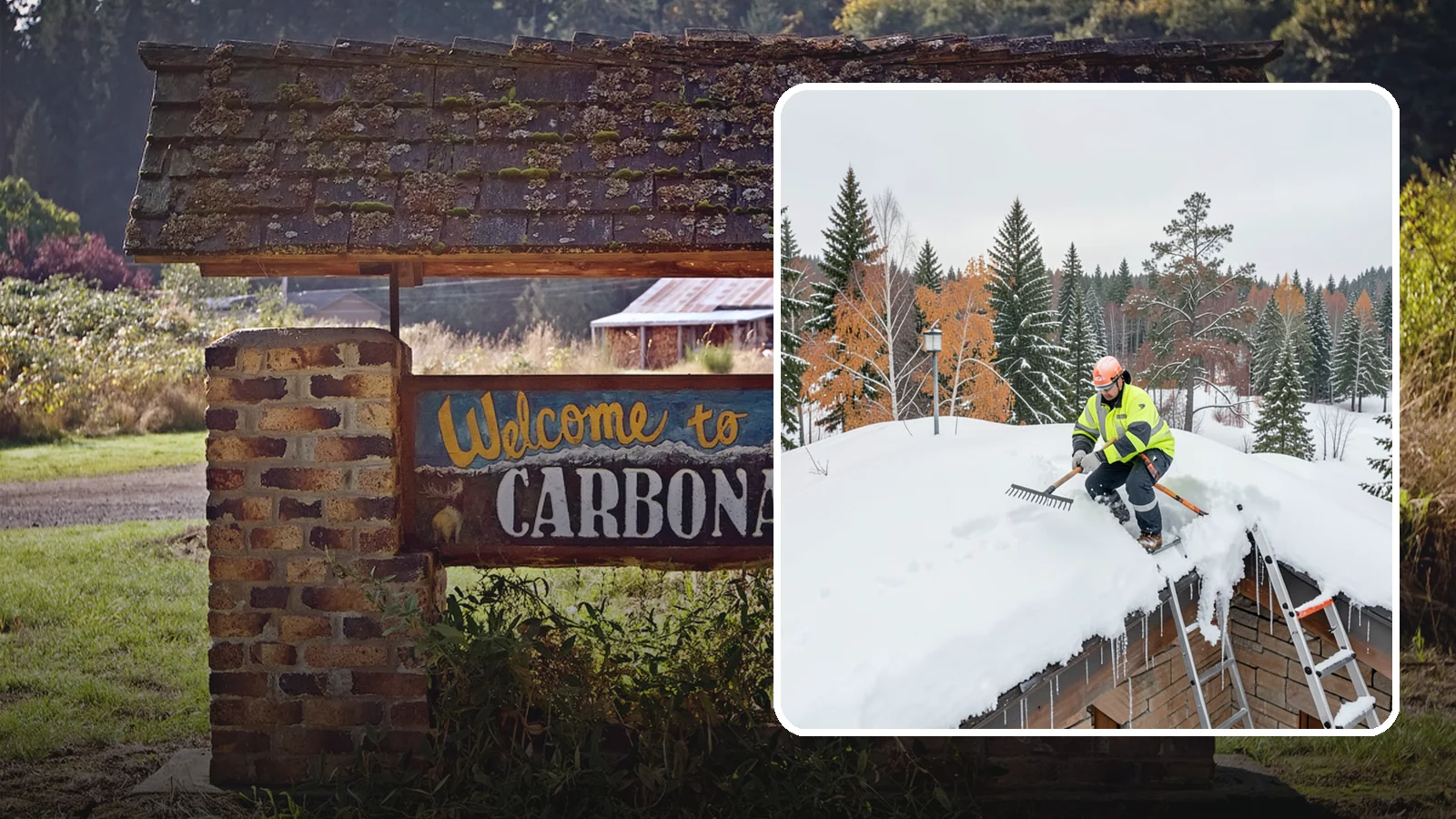
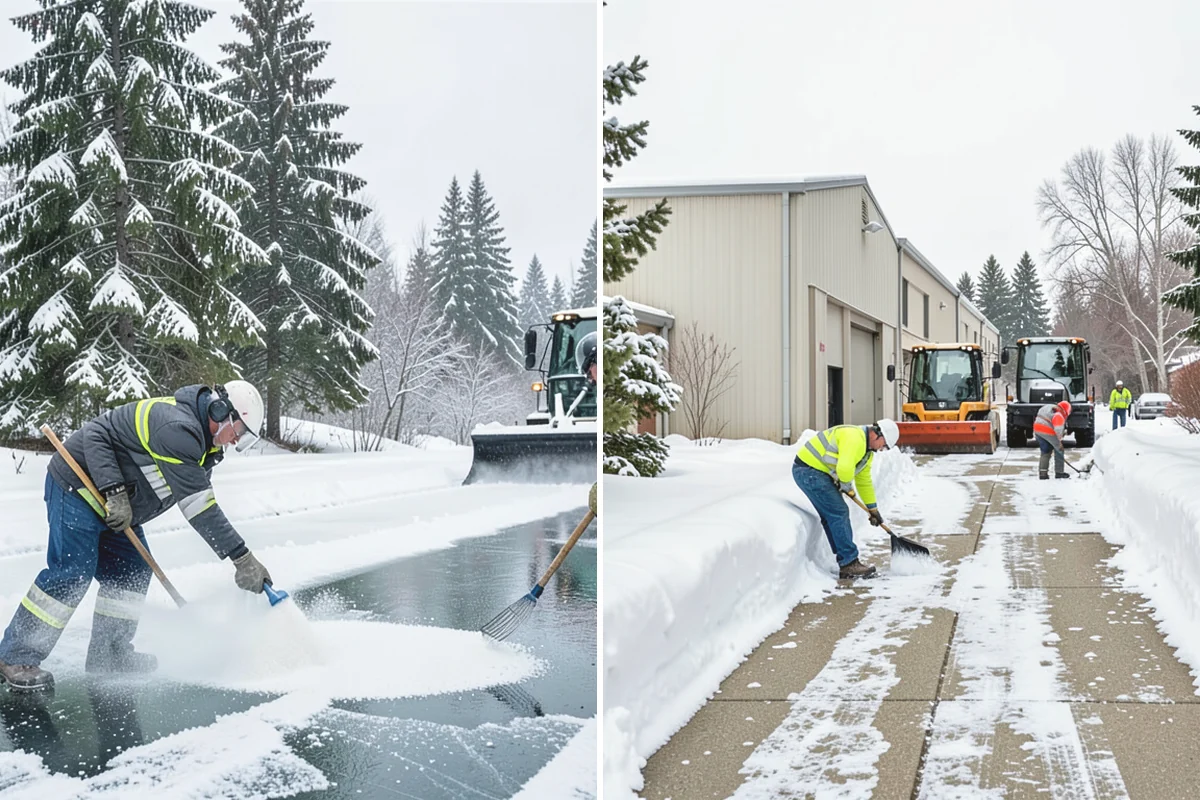
Roof clearing is hand work. Crew members shovel snow from accessible roof areas and clear it away from walkways and entries below. The goal is to reduce the load and keep falling snow from landing where people walk.
Carbonado sees snow on the ground about 6 days a year. Days with 1 in or more happen about 2.8 times a year, and heavy-snow days of 4 in or more are rare, around 0.17 a year. Most winters are light. The risk comes from the occasional big storm. Since 2005, the largest were Jan 15-20, 2012 at about 13.9 in total, Dec 1-2, 2022 at about 12.1 in, and Feb 11-13, 2019 at about 12.0 in. In the 2019 storm, about 10.0 in fell on the biggest day alone.
There are also about 46 freezing nights from October to April. Melting and refreezing can leave ice at edges and on lower roof sections, which matters for how we plan the work.
Pricing is simple:
- Crew member (shoveling, sidewalks, hand work): $110 per person-hour
- Trip charge for Carbonado (zone D): $525 per dispatch
Because snow is occasional and the drive is 93 minutes, it helps to call early when a storm is forecast.