How We Manage Snow Piles in Carbonado, WA
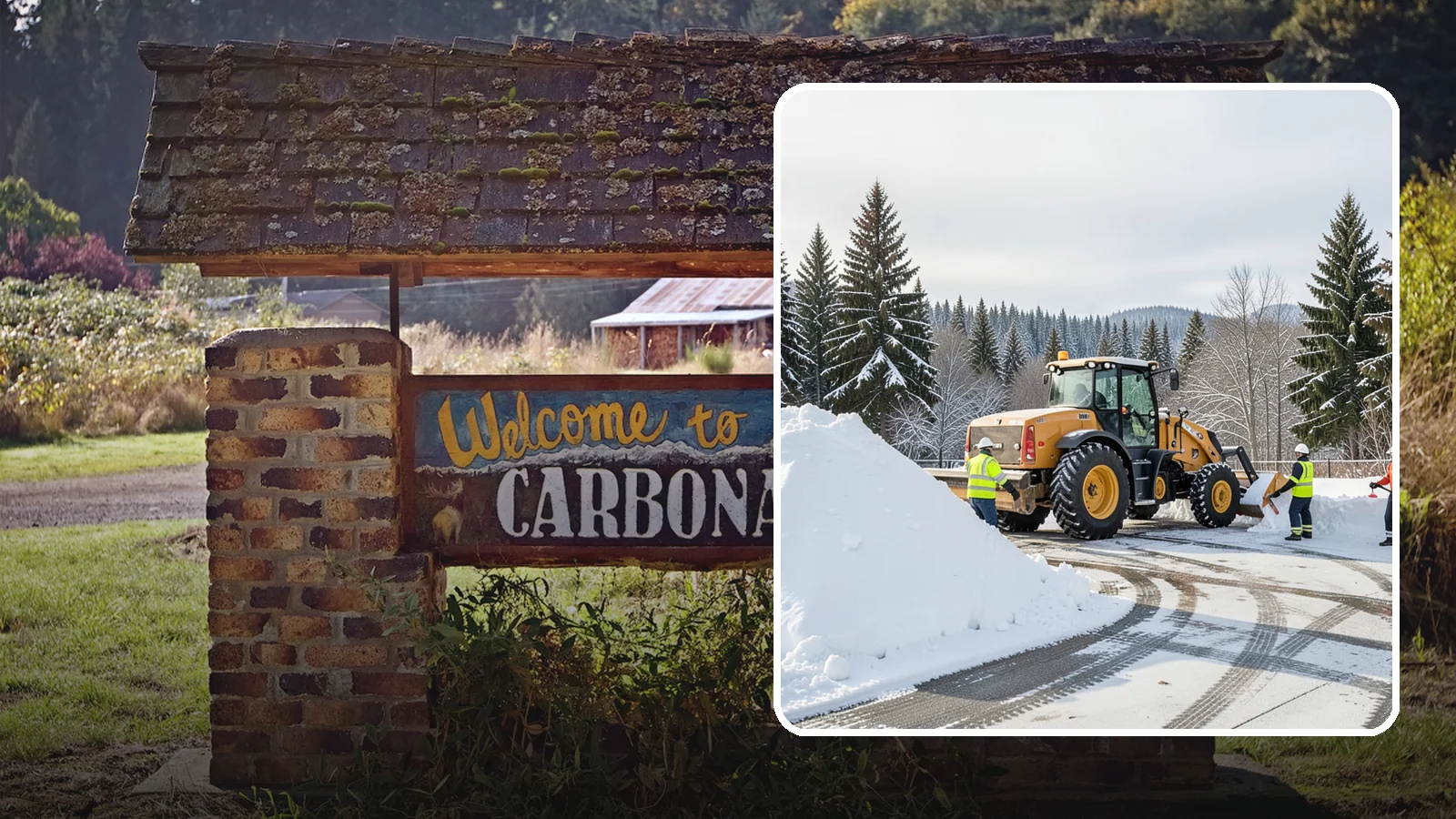
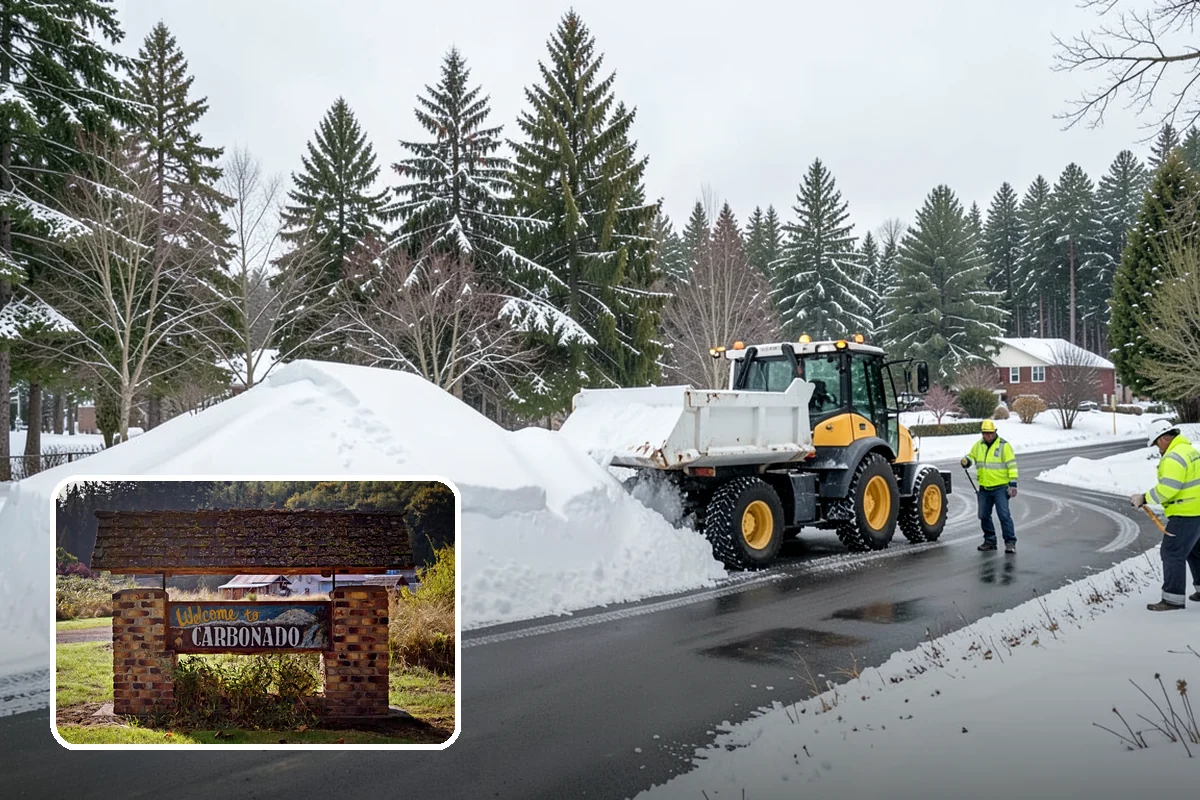
Plowing pushes snow aside. Pile management decides where it ends up and keeps it from causing trouble later. At a Carbonado property, that usually means moving piles away from entrances, mailboxes, drainage points and turning areas, then restacking them in a spot that can hold the snow until it melts.
Local weather shapes the job. Carbonado sees about 2.8 days a year with 1 in or more of snow, but it also has about 46 freezing nights from October to April. Snow that is piled up often melts by day and refreezes at night. Meltwater can run across pavement and turn into ice. We place piles so runoff has somewhere to go. Snow totals near Carbonado are approximate, since records here are limited.
Equipment and rates:
- Compact track loader with operator (Kubota SCL1000): $175 / hour
- Plow truck with driver (Ram 3500): $250 / hour
- Plow and spreader truck with driver (Ram 5500): $325 / hour
Each dispatch has a 2-hour minimum. Carbonado is in zone D, with a trip charge of $525 per dispatch. The drive from our Bothell yard is 93 minutes, which is why we suggest planning pile work before a larger storm arrives.