Early Morning Snow Removal in Bellevue: What to Expect
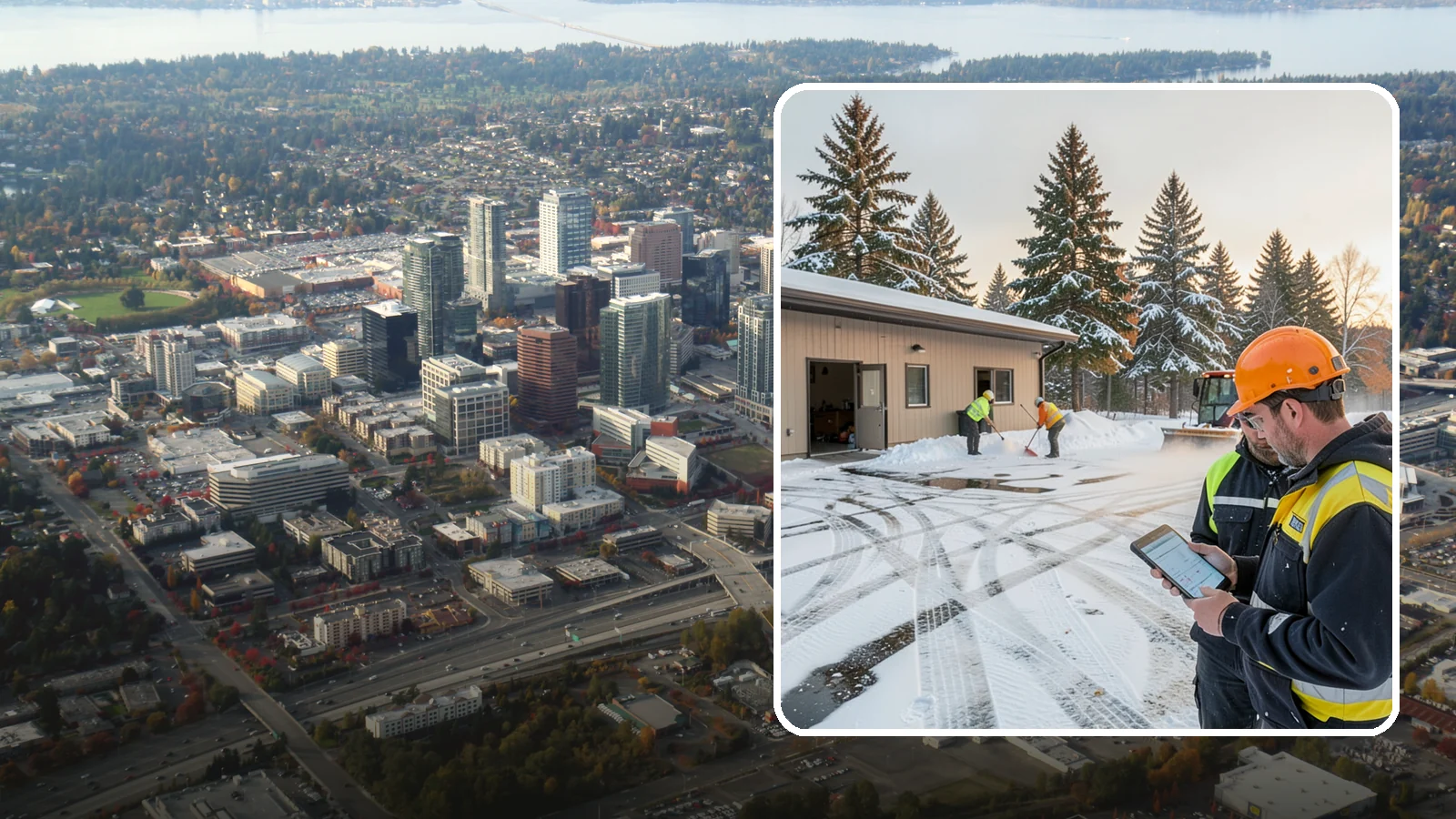
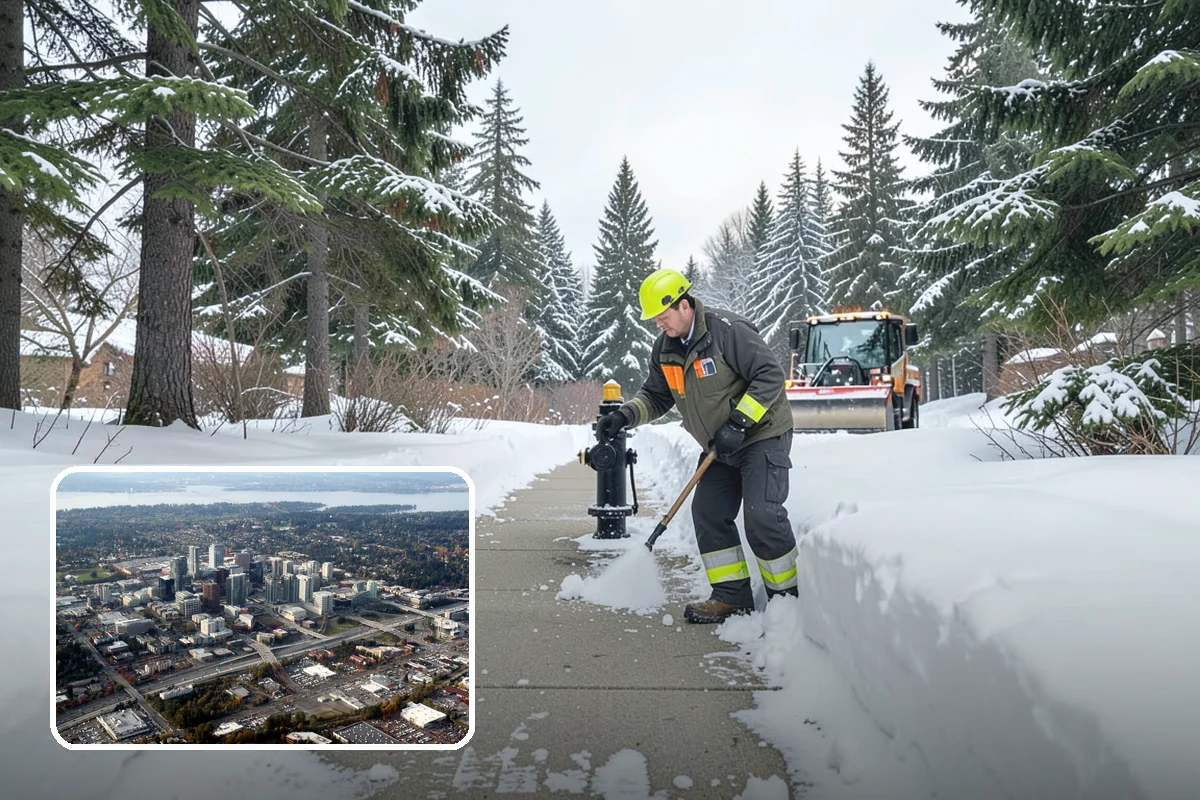
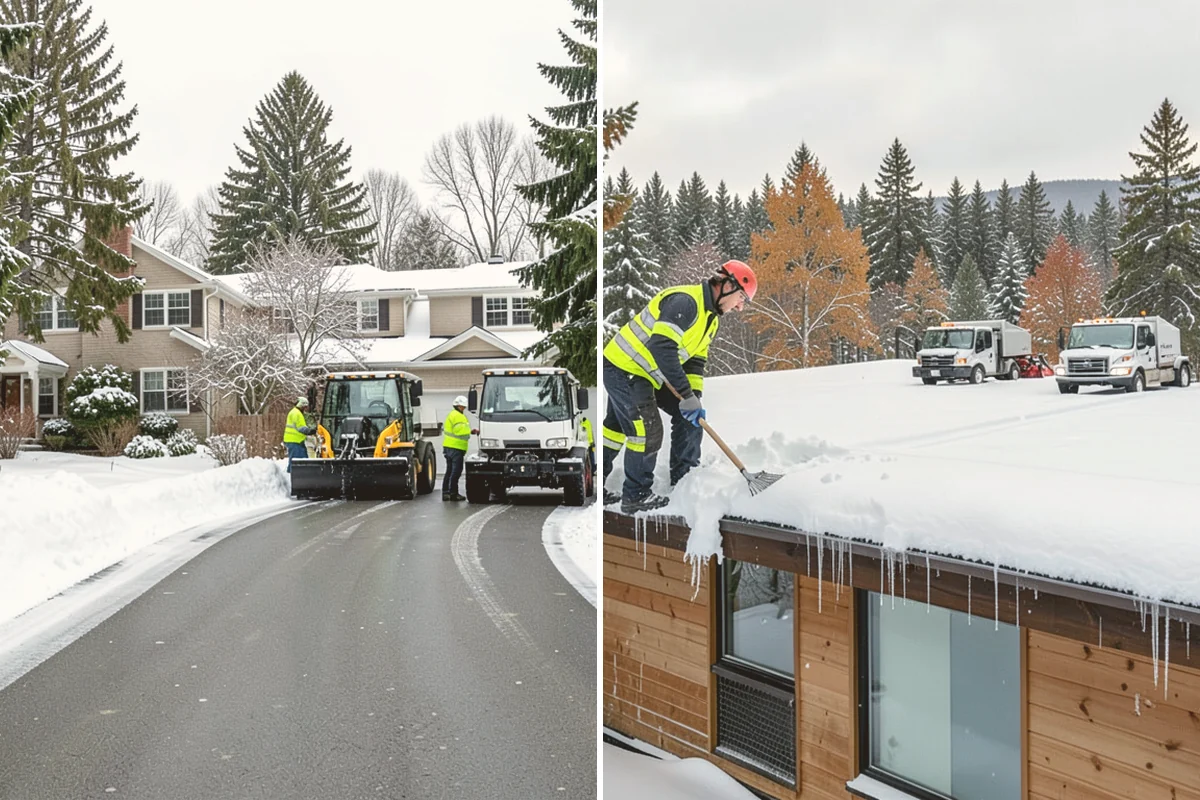
Early morning work usually means plowing parking areas and drives, shoveling walks and entries, and treating ice. The goal is a clear surface before your first arrivals.
Bellevue's pattern shapes the job. Snow days are few, but the area sees about 30 freezing nights between October and April. Cold nights can turn meltwater and leftover slush into ice. Recent events show the range: a Heavy Snow event on Feb 8, 2014, then Heavy Snow on Nov 29, 2022, and an Ice Storm on Dec 23, 2022. The biggest single day since 2005 was 8.1 in. Some events call for plows, and others call for salt.
Here is what we can send, with current rates:
- Plow truck with driver (Ram 3500): $250 per hour
- Plow and spreader truck with driver (Ram 5500): $325 per hour
- Compact track loader with operator (Kubota SCL1000): $175 per hour
- Crew member for shoveling, sidewalks and hand work: $110 per person-hour
- Bagged ice melt: $45 per 50 lb bag
- Bulk salt, applied: $300 per ton
Bellevue is trip zone A, with a $200 per dispatch trip charge. Each dispatch has a 2-hour minimum.