How Frozen Drain Clearing Works in Bellevue
Bellevue gets an average of 7.2 inches of snow per season. Snow is on the ground about 4 days a year, and only about 2.1 days bring 1 inch or more. Most of the drain trouble does not come from big storms. It comes from small melts that refreeze on the 30 freezing nights between October and April.
Ice events add to it. Local records show an ice storm on Dec 23, 2022, and freezing rain reported near Sahalee on Jan 17, 2024. Freezing rain can seal a drain grate in a single night.
At a Bellevue property, the work usually involves:
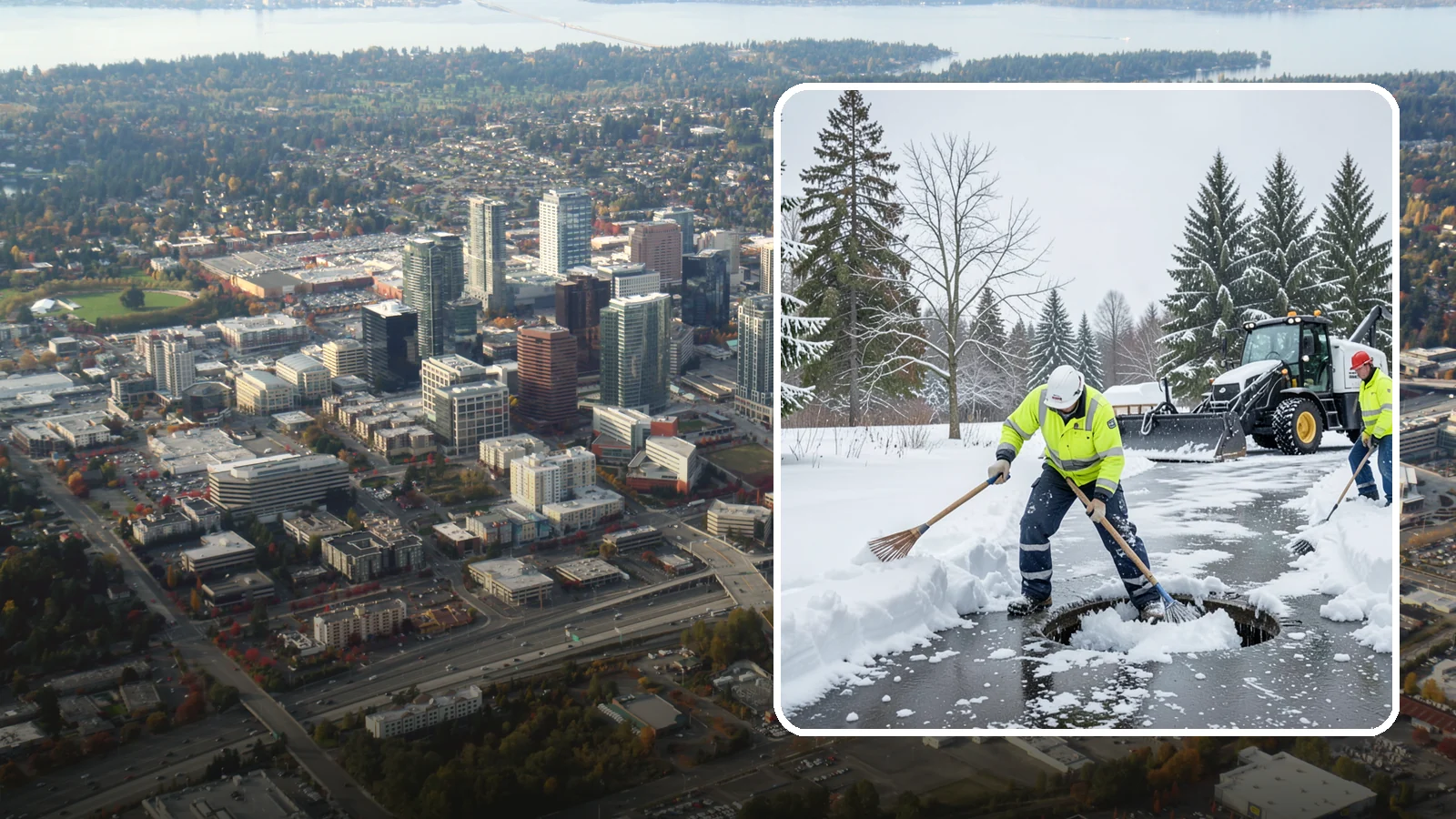
- Clearing ice and packed slush from catch basins and grates
- Opening downspout outlets and gutter discharge points
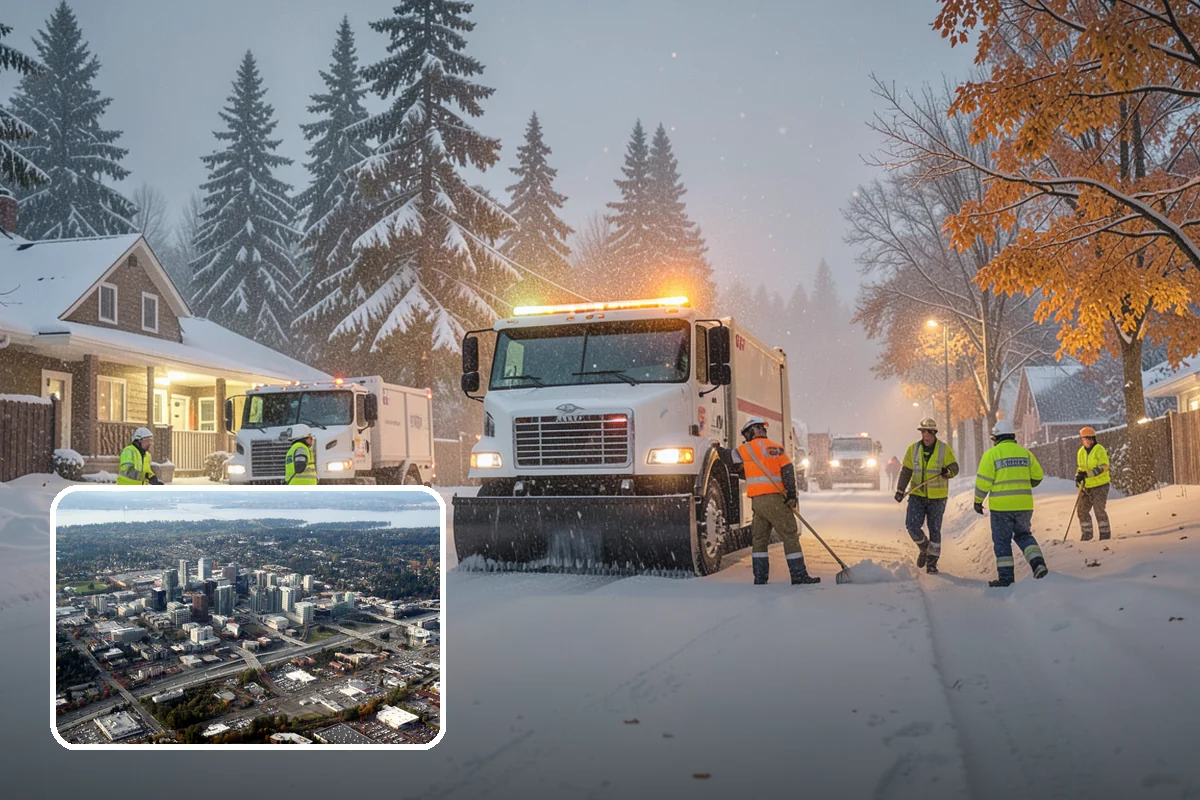
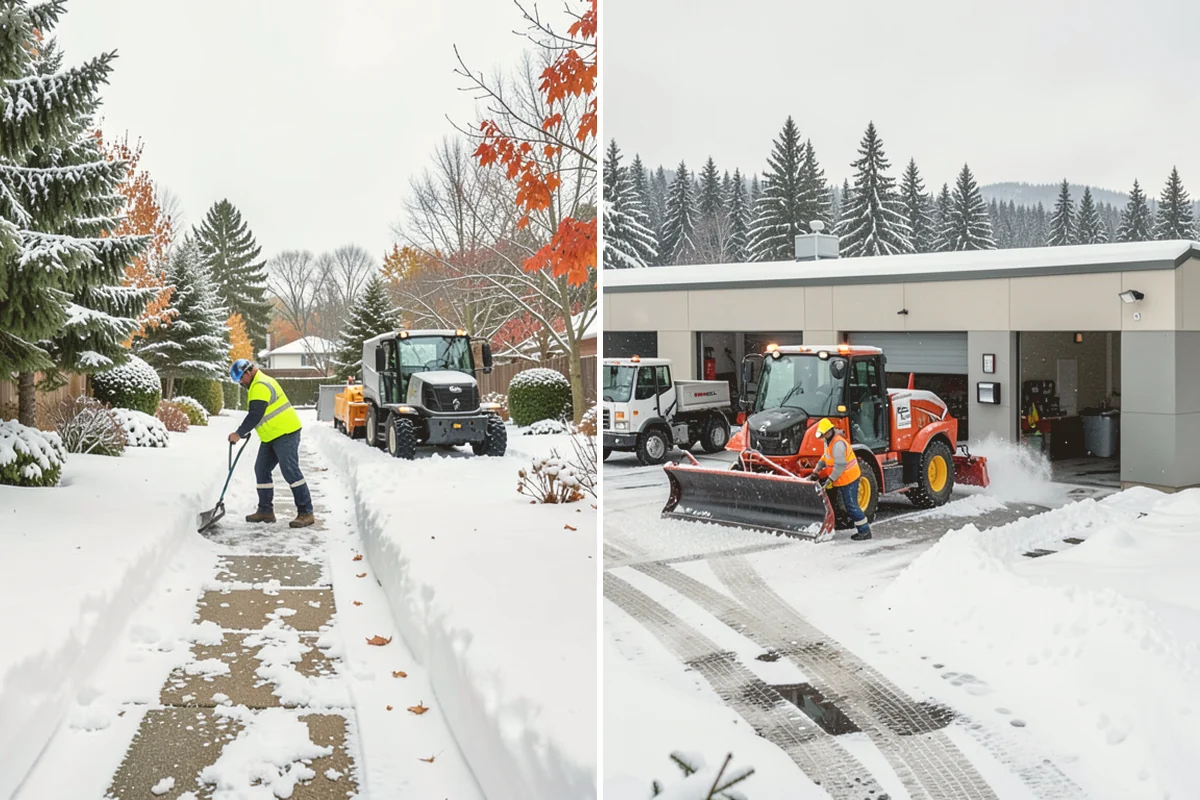
- Clearing channels where meltwater crosses walkways or lots
- Treating the area afterward so water does not refreeze in place
Light-snow days that need deicing average about 3.24 a year, so a drain that is cleared once often needs a second look after the next cold night.
Pricing is simple. Crew members for hand work are $110 per person-hour. The trip charge for Bellevue (zone A) is $200 per dispatch. Call 206-809-9669 to schedule.