How we clear hydrants in Bellevue, WA after snow and ice
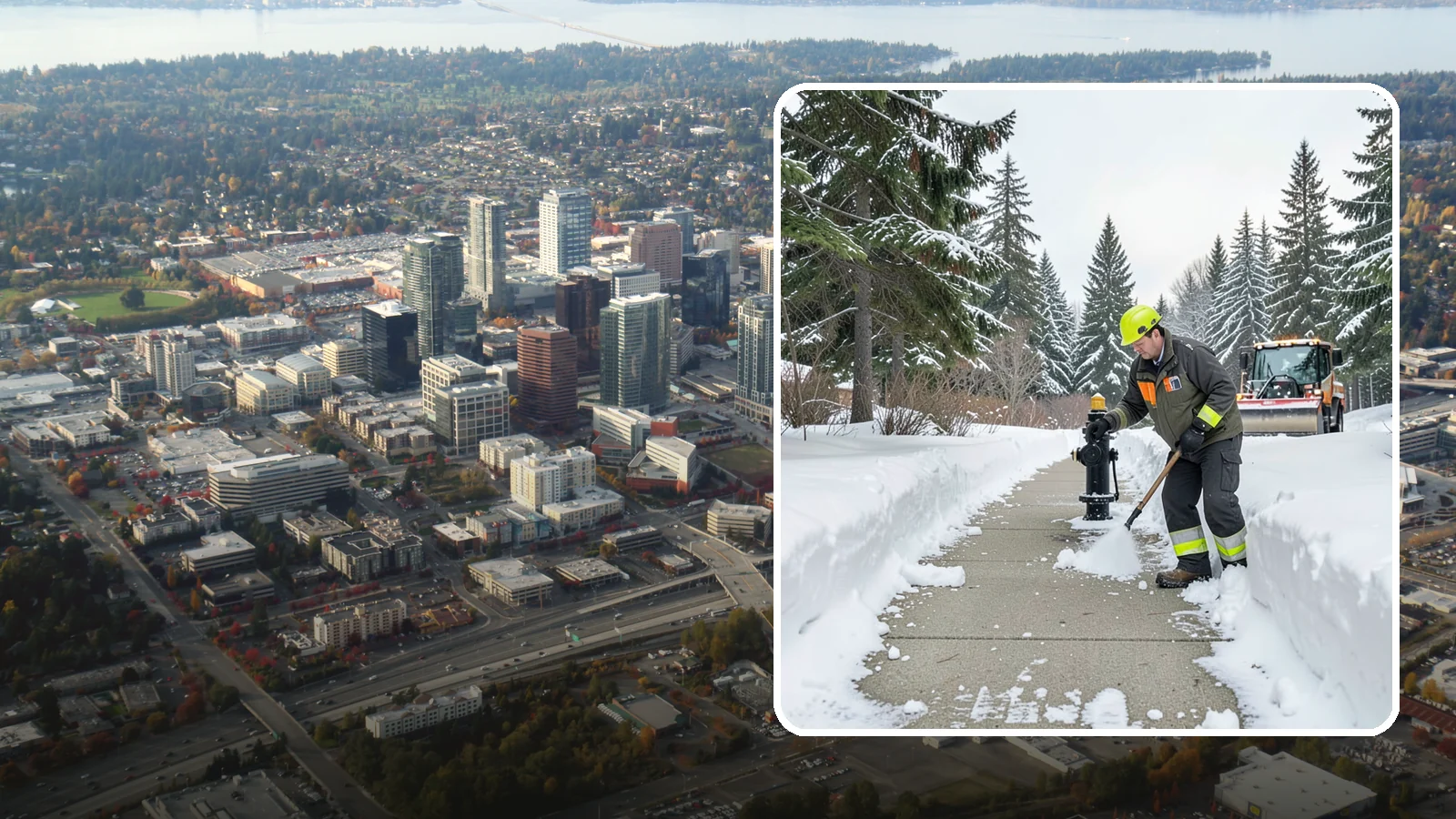
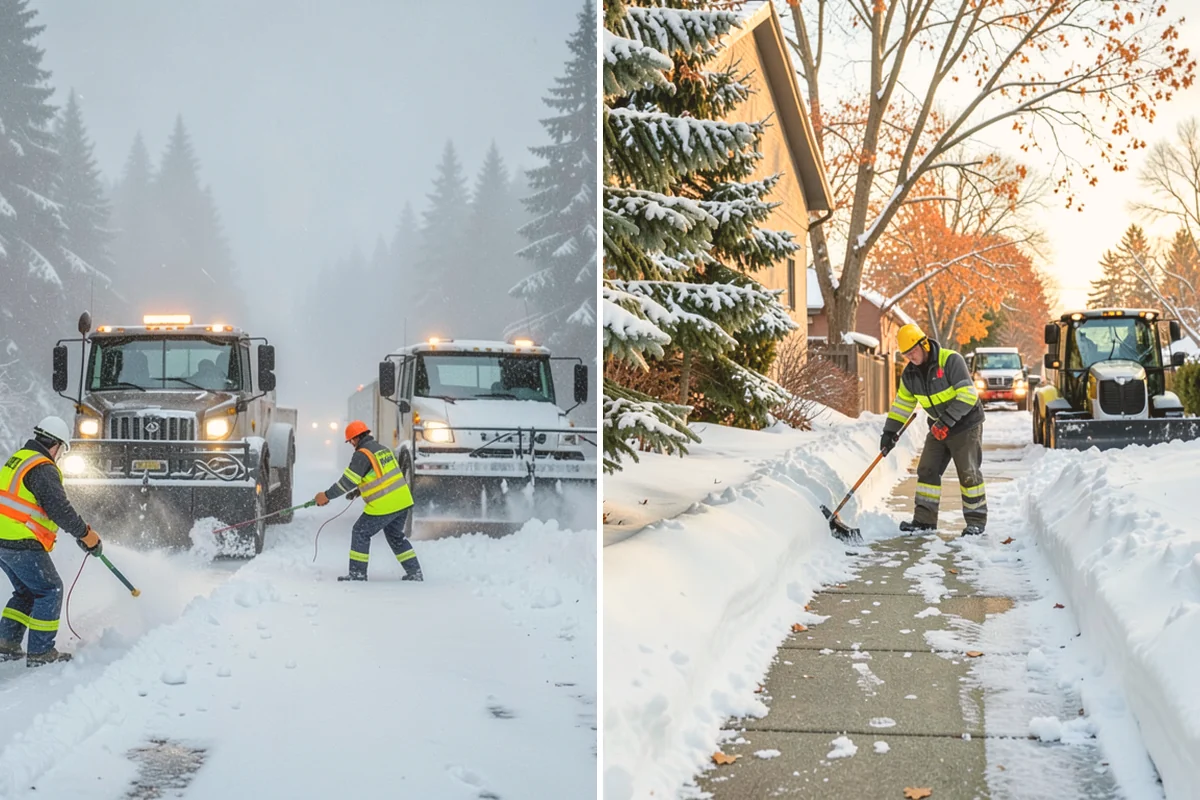
Hydrant clearing is hand work. A crew member shovels a path from the street or sidewalk to the hydrant. They then clear the hydrant itself, including the caps and the outlets, so a hose can be connected. Plow berms along curbs often bury hydrants, so we also break up packed snow left at the street edge.
Bellevue does not get much snow. The average is 7.2 in per season, and about 2.1 days a year bring 1 in or more. Snow sits on the ground about 4 days a year. Still, 76% of winters have at least one 1-inch day. Heavy snow was logged on Feb 4, Feb 8 and Feb 11 in 2019, and on Feb 5 in 2017. Events are rare but can arrive in clusters.
There are about 30 freezing nights from October to April. Melt that refreezes can leave ice around a hydrant base. Where that happens, we can spread ice melt after clearing.
Pricing is listed up front:
- Crew member: $110 per person-hour
- Ice melt, bagged: $45 per 50 lb bag
- Trip charge for Bellevue (zone A): $200 per dispatch
- 2-hour minimum per dispatch
If a berm is too large for hand work, a compact track loader with operator is available at $175 per hour.