Keeping You Moving. Beyond Expectations.

Carbonado Heavy Snowfall Removal
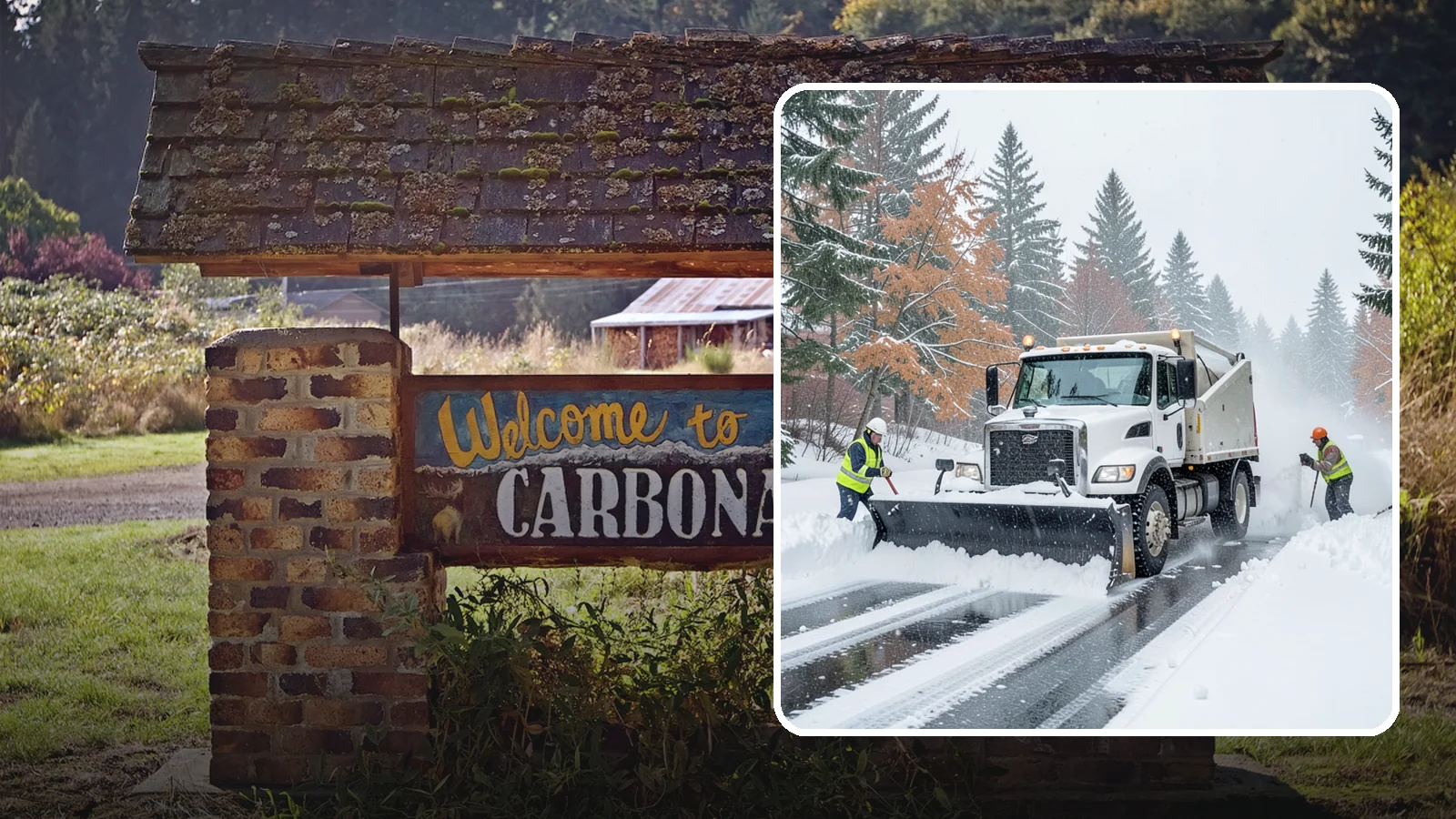
When a heavy, wet Cascade snowfall piles up fast, our equipment handles the load your shovel cannot.
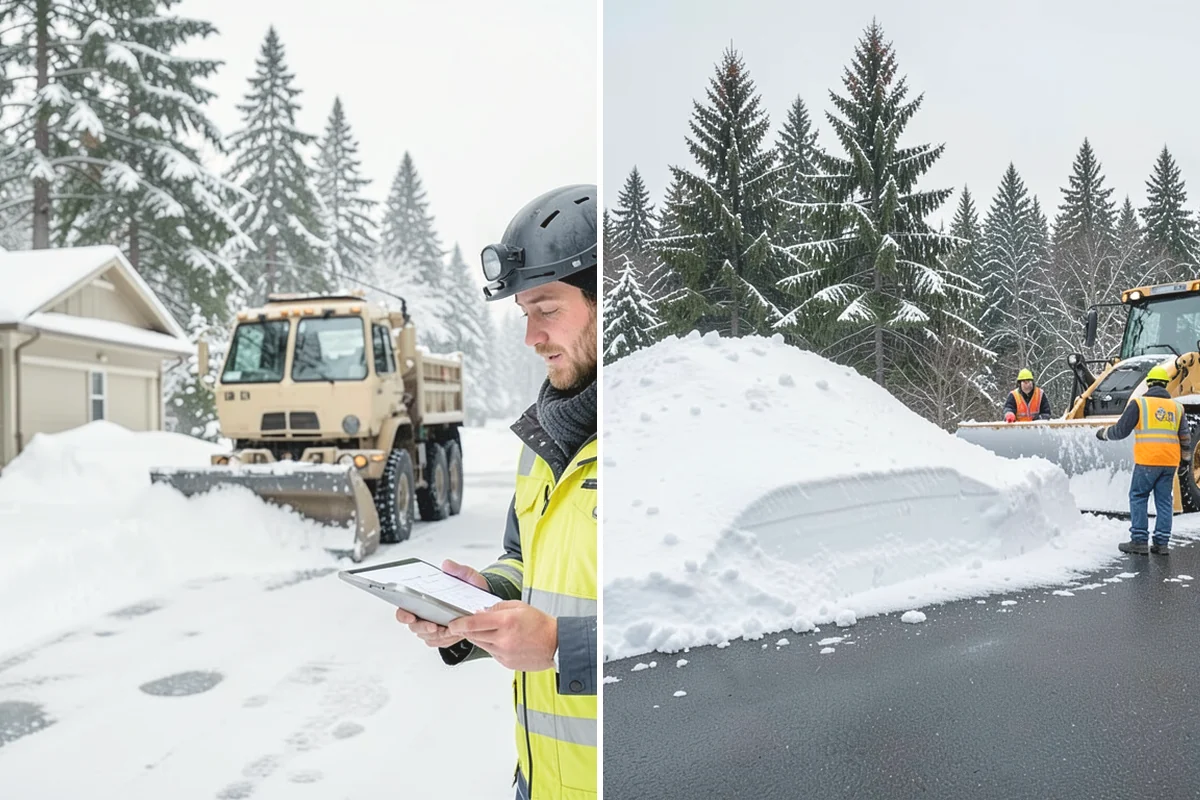
Heavy snowfall removal in Carbonado means clearing driveways, access roads, parking areas and walkways after a storm leaves more snow than a shovel or home blower can handle. Washington Snow Removal is licensed, bonded and insured, and we dispatch from our Bothell yard, 93 minutes away.
Snow here is not an everyday event. Carbonado averages about 6.9 in per season, and snow records near town are limited, so treat these figures as approximate. But the biggest single day since 2005 was 14.5 in, recorded at Mud Mtn Dam in 2017. Call 206-809-9669 to talk through your property.
How hard Carbonado storms hit
Recent winter events logged for the Carbonado area
- Feb 3–5, 2025: Winter Weather
- Jan 16–18, 2024: Ice Storm
- Nov 29–Dec 1, 2022: Winter Weather; Heavy Snow
- Feb 4, 2019: Heavy Snow
Sources: NOAA and National Weather Service records for Carbonado, 2005–2026.
What Heavy Snowfall Removal Involves in Carbonado
Carbonado sees about 2.8 days a year with 1 in or more of snow, so most winters bring only a few real snow days. Those days can still be big. Recent events logged for the area include Heavy Snow on Feb 4, 2019, Heavy Snow on Nov 29, 2022, and an Ice Storm on Jan 17, 2024. The area averages about 5.48 Winter Weather Advisories and 1.24 Winter Storm Warnings a year.
Freezing nights are common, about 46 between October and April. Plowed snow can refreeze overnight, so clearing is often paired with ice treatment.
Depending on the property, a job can include:
- Plowing with a Ram 3500 at $250 per hour or a Ram 5500 plow and spreader at $325 per hour
- A Kubota SCL1000 compact track loader at $175 per hour for tighter areas and pile work
- Crew members at $110 per person-hour for shoveling, sidewalks and hand work
- Bagged ice melt at $45 per 50 lb bag, or bulk salt applied at $300 per ton
Carbonado is in trip zone D, with a $525 charge per dispatch. Each dispatch has a 2-hour minimum. Because of the drive from Bothell, it helps to call early when a heavy storm is forecast.
Prices in Carbonado
Billed by the hour for the crew and equipment on site, plus materials.
| Plow truck with driver (Ram 3500) | $250 / hour |
| Plow and spreader truck with driver (Ram 5500) | $325 / hour |
| Compact track loader with operator (Kubota SCL1000) | $175 / hour |
| Crew member (shoveling, sidewalks, hand work) | $110 / person-hour |
| Ice melt, bagged | $45 / 50 lb bag |
| Bulk salt, applied | $300 / ton |
| Trip charge for Carbonado (zone D) | $525 / dispatch |
- 2-hour minimum per dispatch.
- Carbonado is 93 minutes from our Bothell yard.
Prices approved Oct 2026.
Service Area
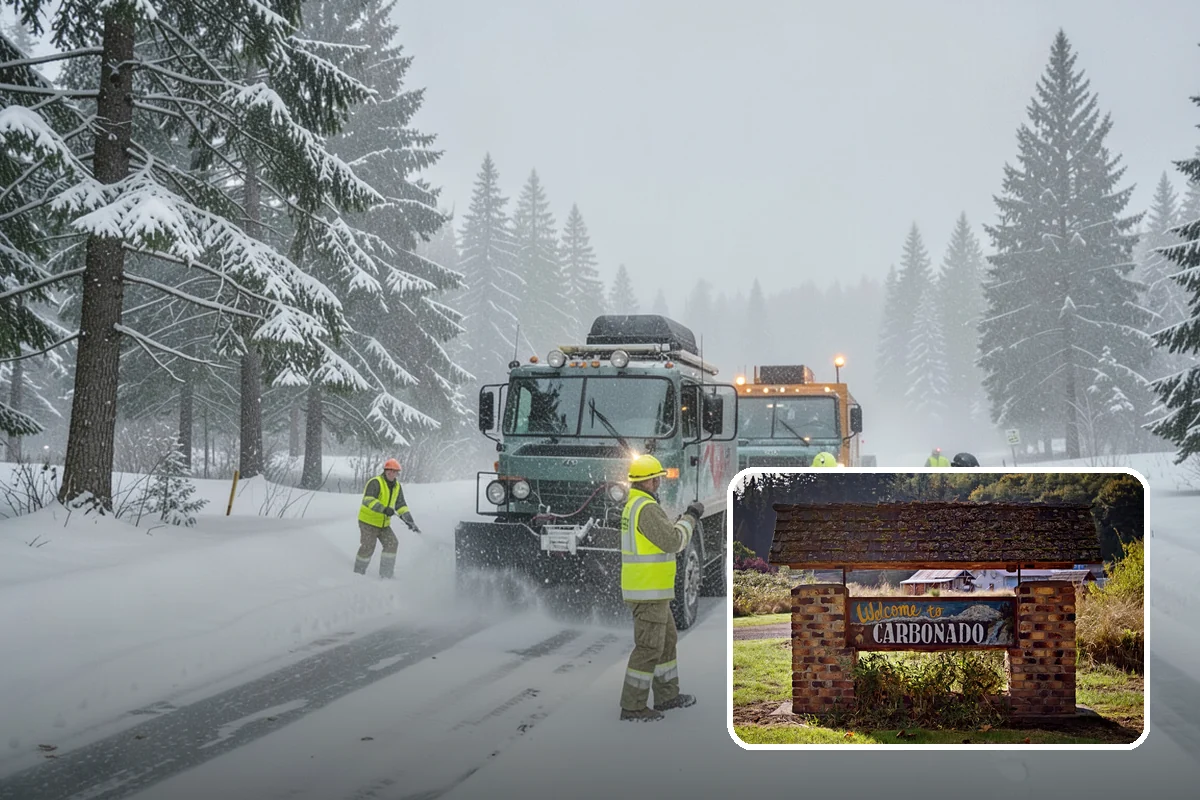
Carbonado
Benefits
Equipment matched to dense, wet regional snow; Fast removal of large accumulation volumes; Prevention of hard-packed, compacted layers; Reduced strain and risk versus manual shoveling; Capacity to handle a foot or more at once