Keeping You Moving. Beyond Expectations.
Community-wide deicing for homeowner associations, protecting shared roads, mailbox kiosks, and clubhouse walks from the glaze that follows a Puget Sound freeze.
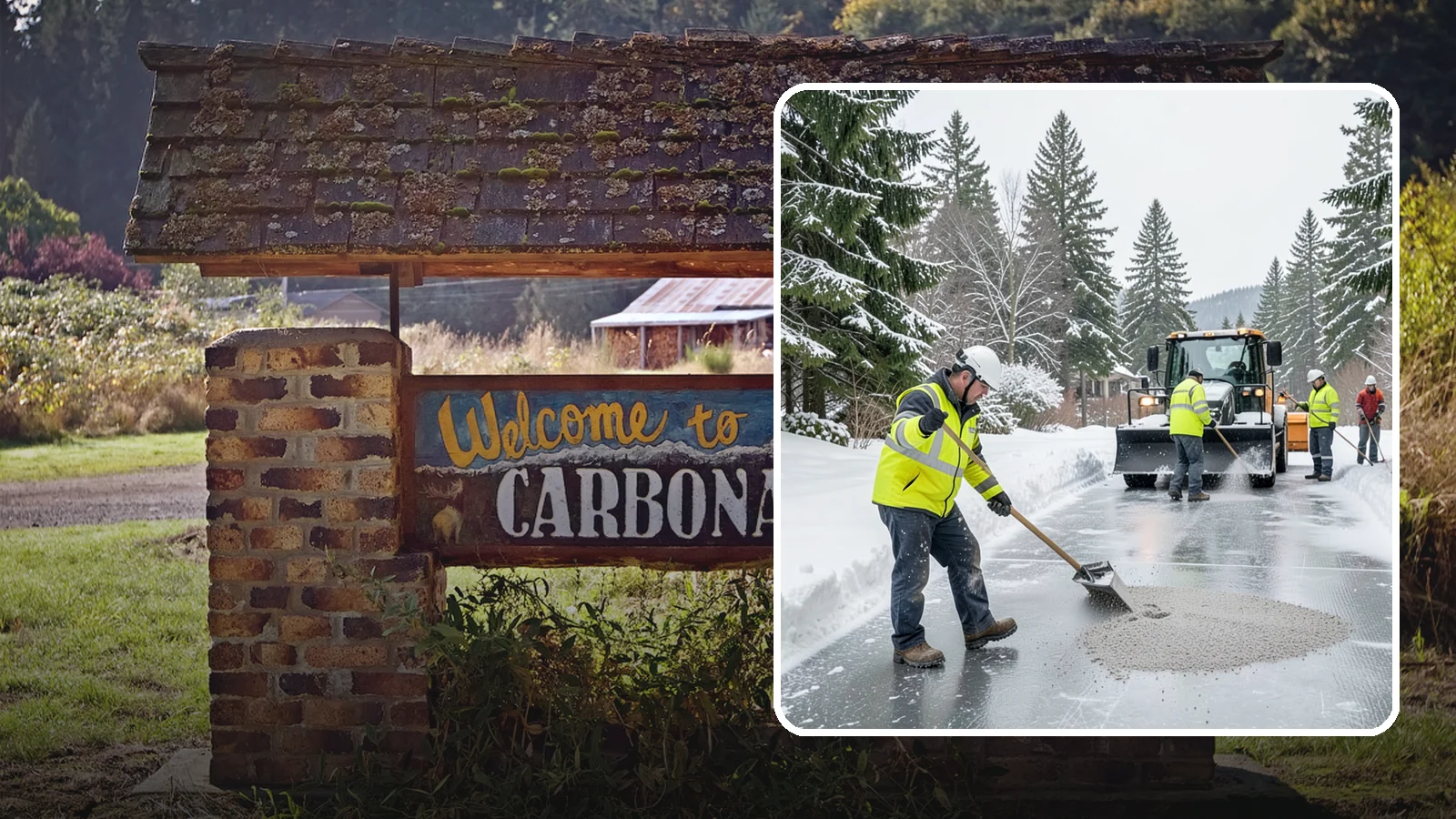
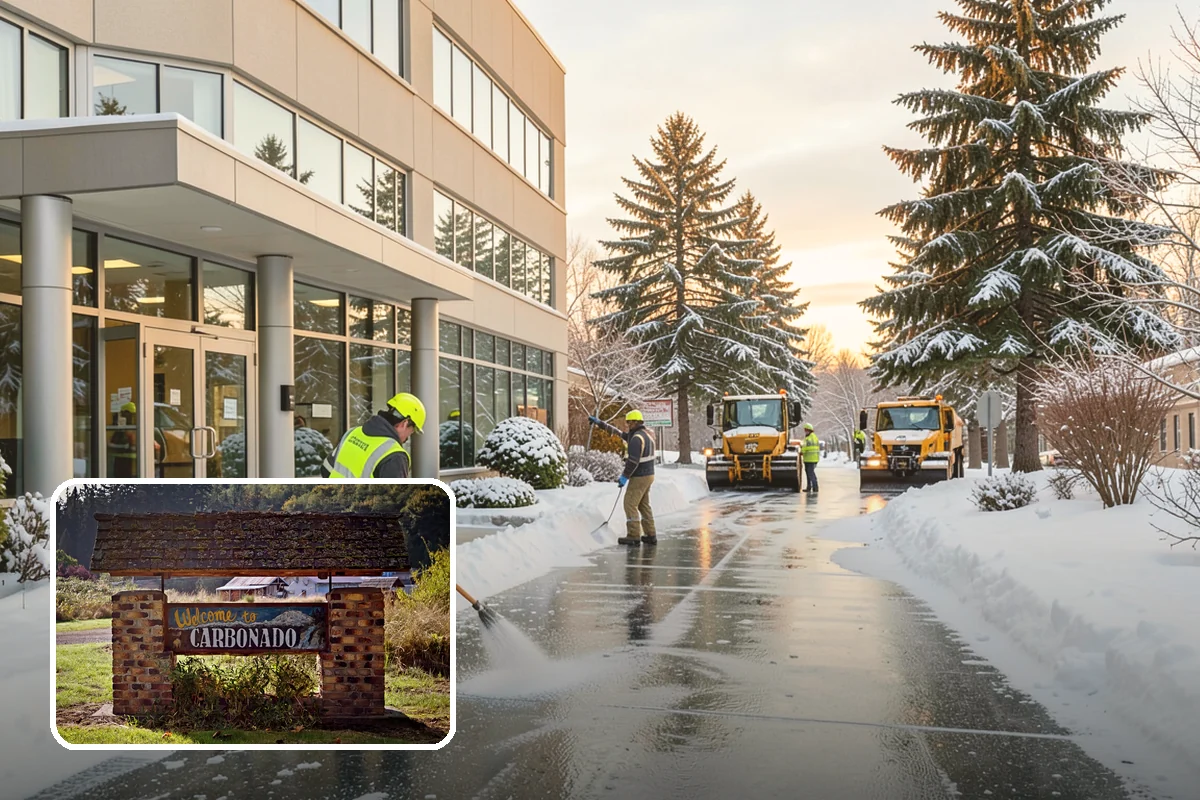
Washington Snow Removal provides HOA deicing in Carbonado, Pierce County. We treat the shared surfaces a community depends on: entry roads, private streets, parking areas, mailbox clusters and walkways. We are licensed, bonded and insured.
Carbonado sees about 6.9 in of snow per season, which is approximate because local records are limited. Freezing nights are the bigger issue. There are 46 between October and April. Call 206-809-9669 to talk through your community's layout and what it would take to treat it.
Sources: NOAA and National Weather Service records for Carbonado, 2005–2026.
Deicing at an HOA is about traction on shared surfaces. We apply salt or ice melt to roads, drives, parking stalls and common walkways so ice does not bond to the pavement. Hand work covers steps, sidewalks and areas a truck cannot reach.
Carbonado's pattern is mostly ice, not deep snow. Only 1.9 days a year stay below freezing, and about 2.8 days a year bring 1 in or more of snow. Yet there are 46 freezing nights from October to April, and about 1.0 light-snow day a year needs deicing. The area averages 5.48 Winter Weather Advisories a year. Ice storms were recorded near Carbonado on Jan 16, Jan 17 and Jan 18, 2024. Thin ice that forms overnight on shaded private streets is the usual risk for a community here.
Our rates are listed below.
Each dispatch has a 2-hour minimum. Carbonado is 93 minutes from our Bothell yard, so the trip charge applies.

Billed by the hour for the crew and equipment on site, plus materials.
| Plow and spreader truck with driver (Ram 5500) | $325 / hour |
| Ice melt, bagged | $45 / 50 lb bag |
| Bulk salt, applied | $300 / ton |
| Crew member (shoveling, sidewalks, hand work) | $110 / person-hour |
| Trip charge for Carbonado (zone D) | $525 / dispatch |
Prices approved Oct 2026.
Demonstrates board due diligence with documented common-area care; Keeps mail kiosks and guest parking accessible during a freeze; Protects the association from shared-liability injury claims; Prioritizes shaded interior roads where black ice hides; Coordinates timing around resident commute patterns