Ice Hazard Response in Federal Way: What the Work Involves
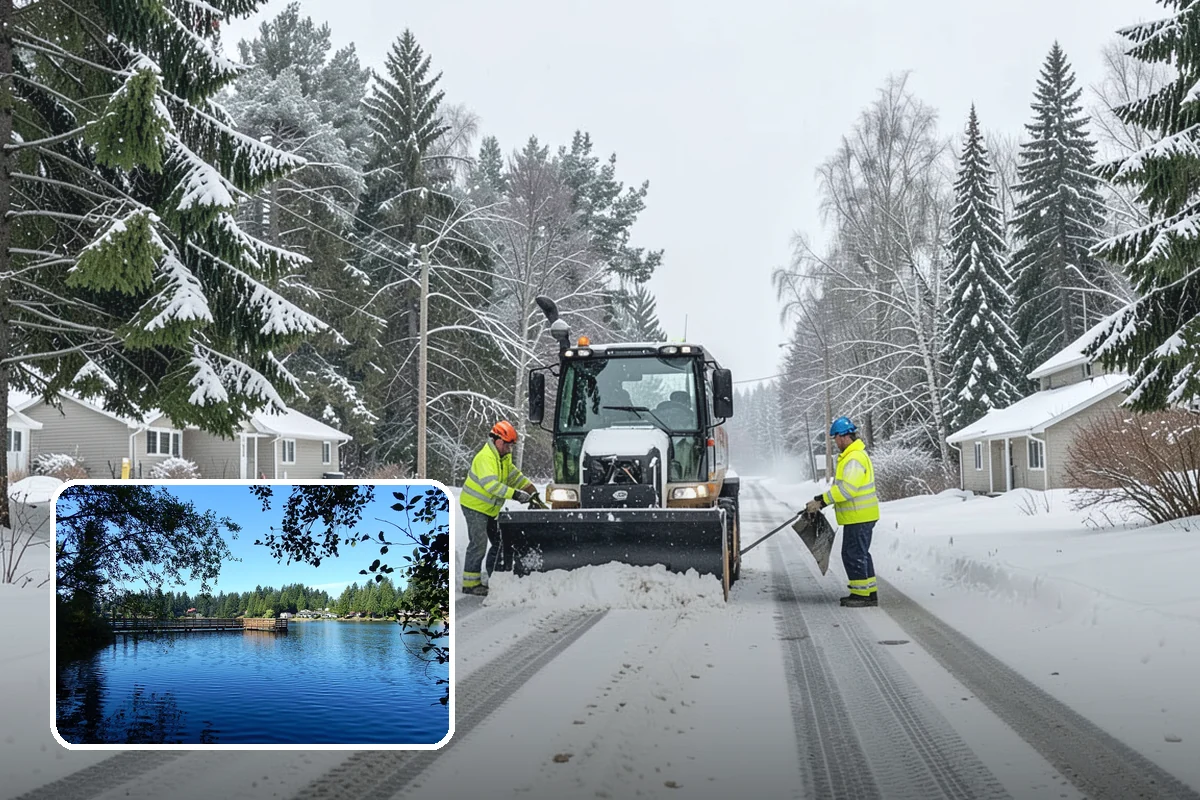
Ice response is hand work and spreading, not large-scale plowing. A crew arrives, finds the problem spots, clears what can be cleared and treats the surface so it stays safer.
Federal Way gets heavy snow rarely. The area averages 0.33 heavy-snow days a year (4 in or more) and 1.8 days a year with 1 in or more. Winter Storm Warnings average 0.76 a year. Because storms are uncommon, many properties have no plan in place. Still, the largest totals show what can happen: 9.5 in on Feb 14, 2021, 8.2 in on Jan 19, 2012, and 6.5 in on Dec 19, 2008. With 28 freezing nights a season, ice can form from meltwater or refreezing even when little snow falls.
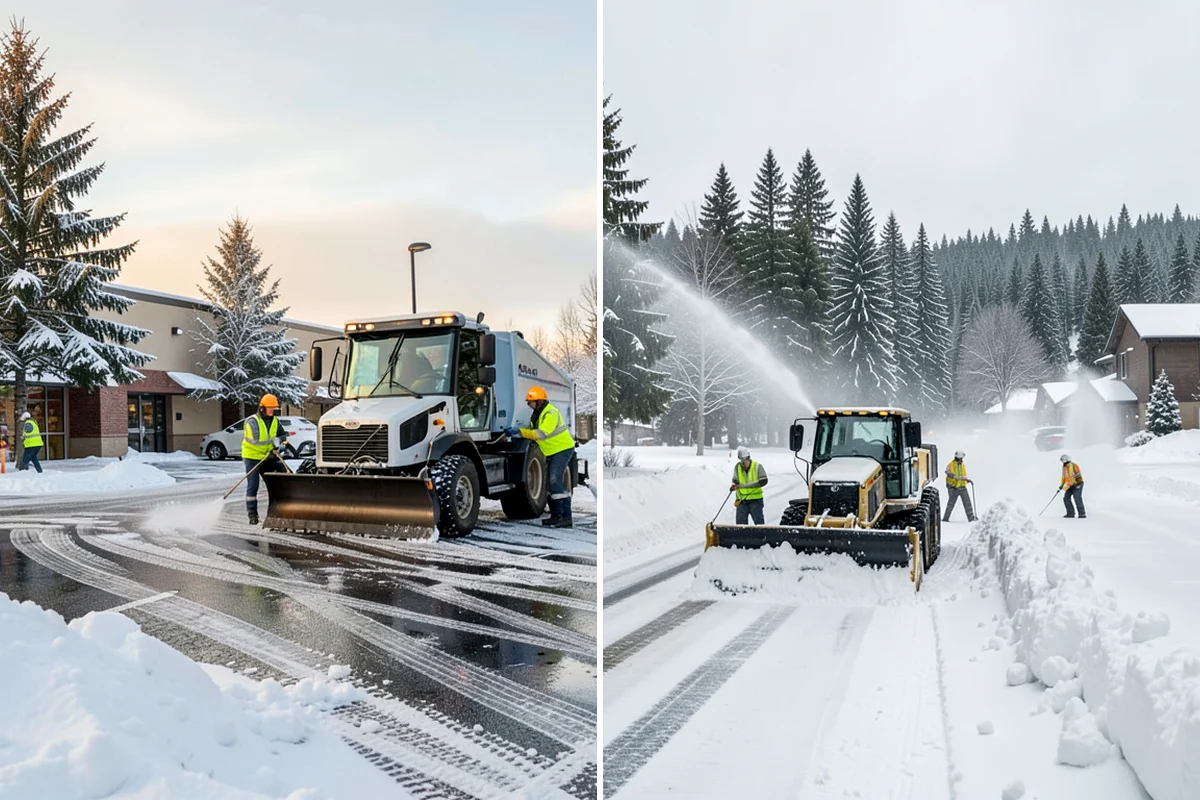
Typical work at a Federal Way property includes:
- Shoveling and chipping ice from sidewalks, entries and stairs at $110 per person-hour
- Bagged ice melt at $45 per 50 lb bag
- Bulk salt, applied, at $300 per ton for larger lots
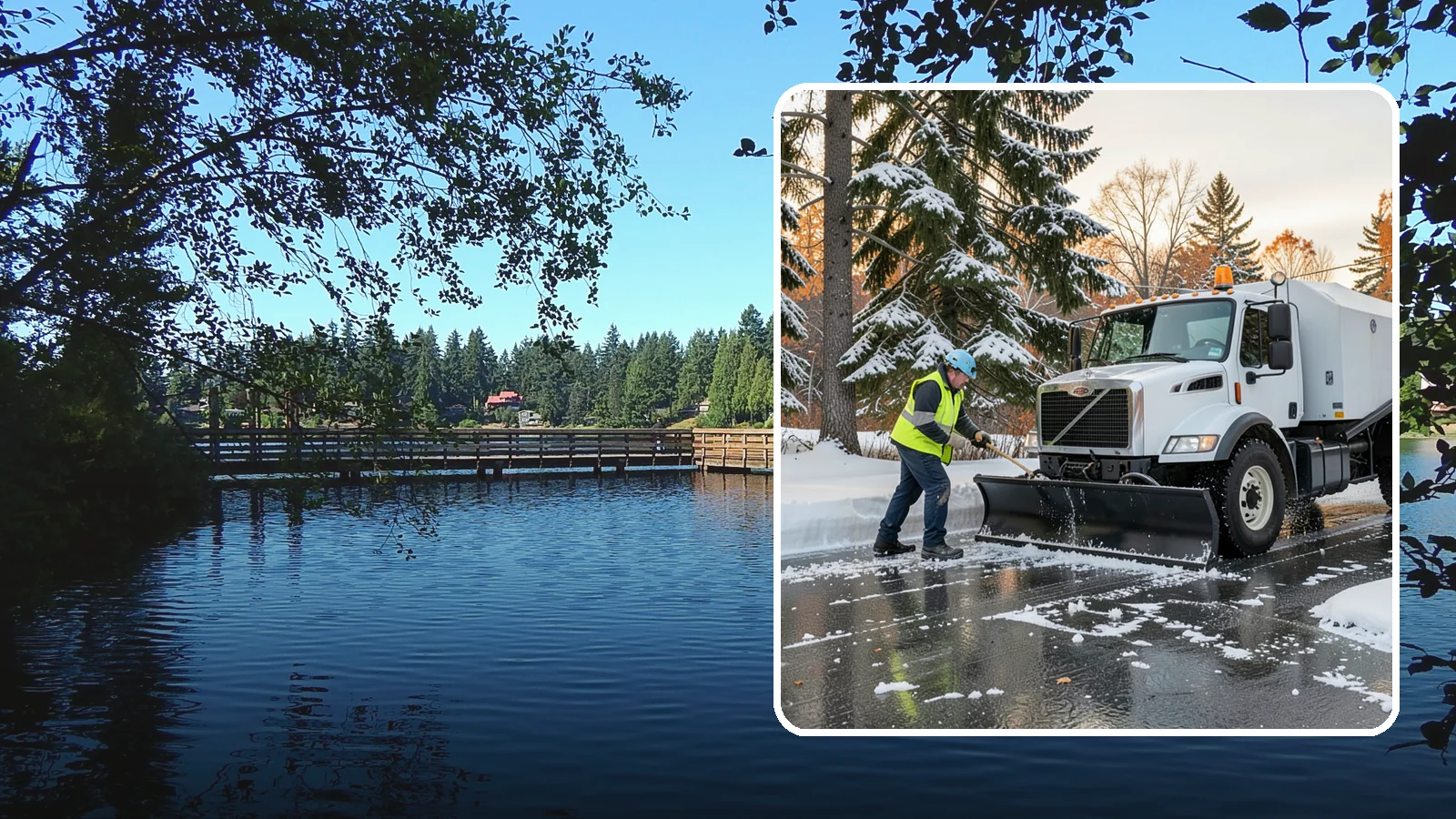
- Truck work with a Ram 5500 plow and spreader at $325 per hour when a lot needs it
Federal Way is trip zone B, with a $275 dispatch charge. Each dispatch has a 2-hour minimum.