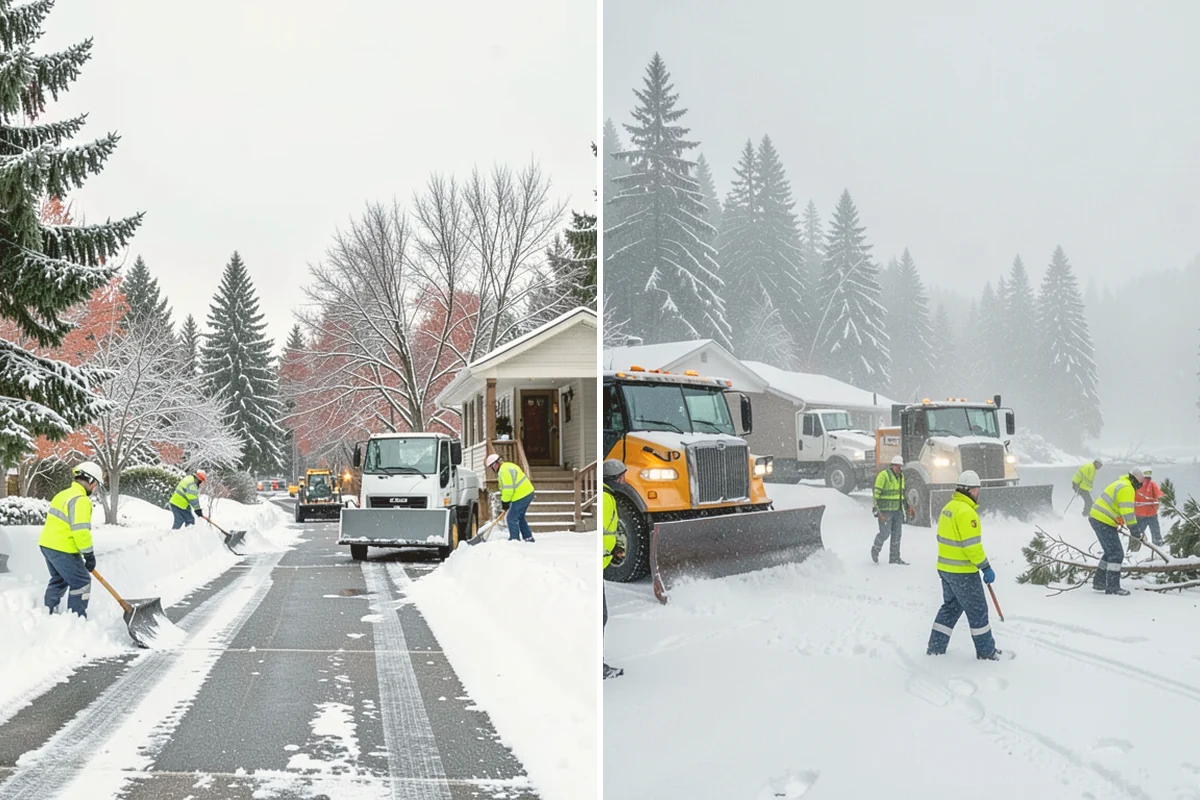
Keeping You Moving. Beyond Expectations.

Fife Winter Property Monitoring
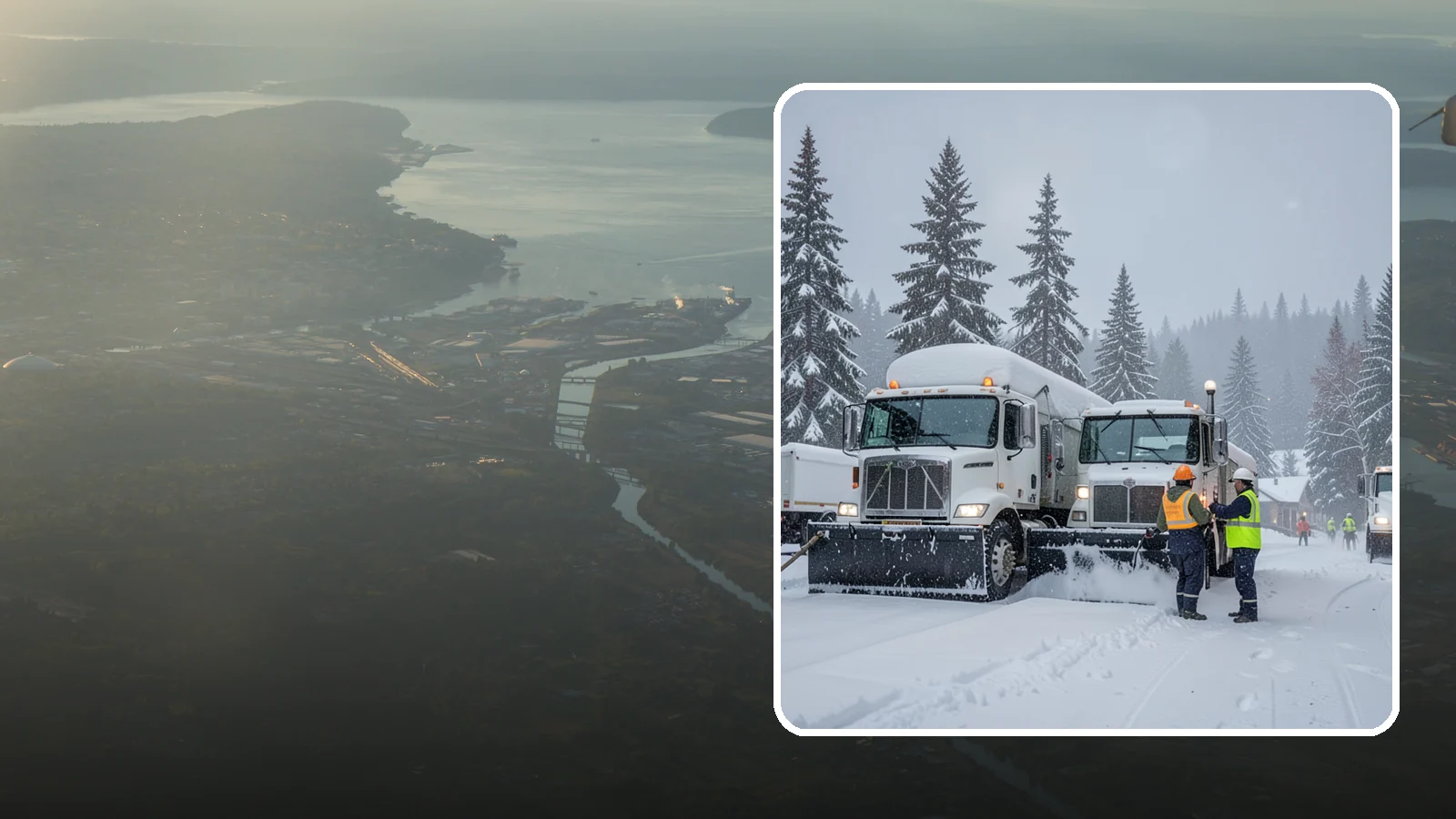
We monitor your Western Washington property through winter, watching conditions and forecasts to act before problems form.
Fife does not get much snow. An average season brings 5.8 inches, and snow sits on the ground about 4 days a year. But 71% of winters still have at least one day with 1 inch or more, and the area sees 27 freezing nights between October and April.
Winter Property Monitoring from Washington Snow Removal, a licensed, bonded and insured company based in Bothell, keeps an eye on your Fife property through those cold stretches. Service starts at 1 inch of accumulation. Call 206-809-9669 to set it up.
Sizing a Fife seasonal plan
Average snowfall by month in Fife
Biggest storms in Fife since 2005
- Jan 15–20, 2012: 12.4 in total, 4.7 in on the biggest day
- Feb 8–12, 2019: 8.6 in total, 4.0 in on the biggest day
- Feb 5–6, 2017: 8.3 in total, 5.4 in on the biggest day
Sources: NOAA and National Weather Service records for Fife, 2005–2026.
What Winter Property Monitoring Means in Fife
Monitoring is for owners who want someone watching the property when winter weather is possible, without paying for a full-time presence in a mild climate. In Fife, most winters are quiet. An average season has about 1.76 plow events and only 0.29 days of 4 inches or more. Days with 1 inch or more average 1.8 a year.
That pattern shapes how we plan. Snow is rare, but it can arrive with little warning, and the 27 freezing nights from October to April mean ice is a bigger routine concern than deep snow. Past storms show what can happen. Jan 15–20, 2012 brought 12.4 inches in total. Feb 5–6, 2017 put 5.4 inches down in a single day. Feb 8–12, 2019 totaled 8.6 inches.
Pricing follows the same history. Seasonal plans are based on about 1.76 plow visits in an average season.
- Single-car driveway with front walk and steps: from $220 per visit
- Two-car driveway with front walk and steps: from $330 per visit
- Deicing application: from $100 per visit
- Seasonal plans: from $550 single-car and from $825 two-car, up to 4 visits
- Ice plan add-on: from $395 per season
Visits beyond a plan's limit are half the per-visit price.
Residential snow removal prices in Fife
Starting prices for Fife. Final price depends on size, slope and snow depth. Fife is in travel zone C.
| Two-car driveway incl. front walk and steps, per visit | from $330 |
| Single-car driveway incl. front walk and steps, per visit | from $220 |
| Deicing application, per visit | from $100 |
| Seasonal plan, two-car (up to 4 visits) | from $825 |
| Seasonal plan, single-car (up to 4 visits) | from $550 |
| Ice plan add-on, per season | from $395 |
- Seasonal plans are priced from Fife's snow history: about 1.76 plow visits in an average season.
- Visits beyond a plan's limit are half the per-visit price.
- Service starts at 1 inch of accumulation.
Prices approved Oct 2026.
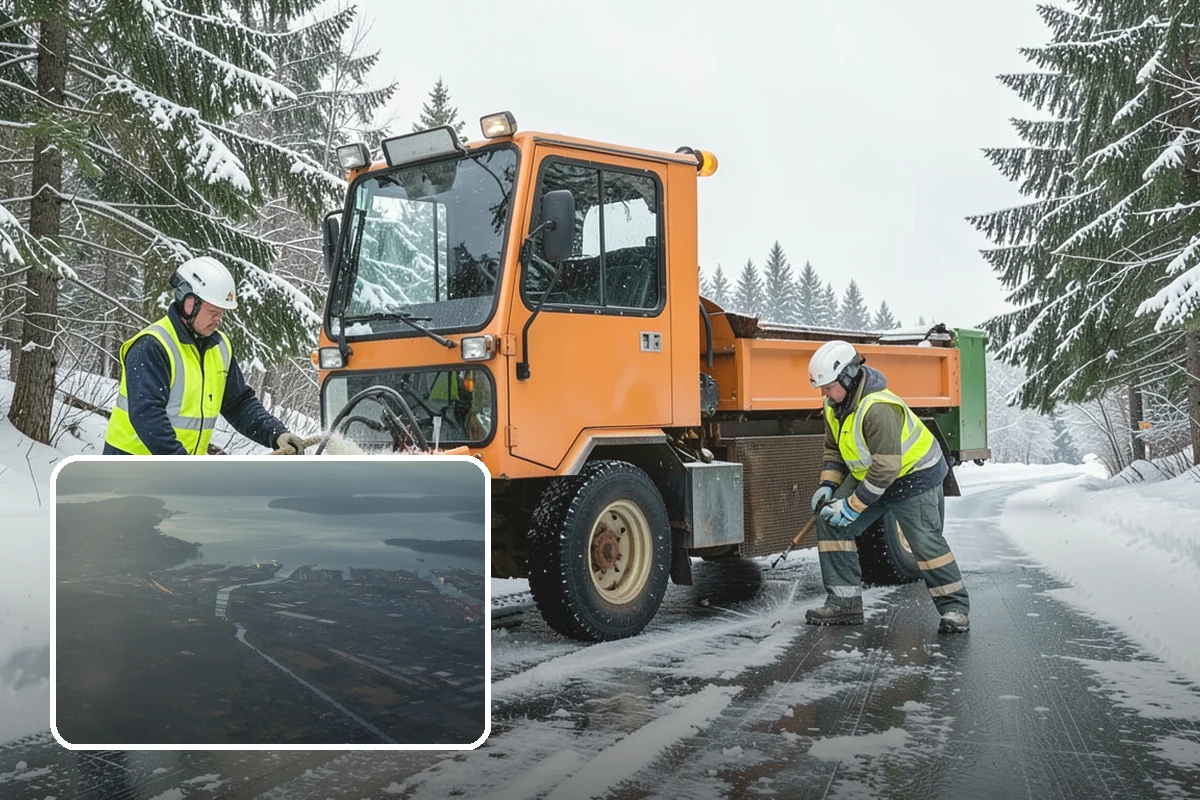
Service Area
Fife
Benefits
Catches ice risk before snow even falls; Tracks local forecasts and site conditions; Watches shaded areas prone to refreeze; Triggers proactive deicing and clearing; Keeps a professional watching your property