Frozen Pipe Area Access in Gig Harbor: What the Work Involves
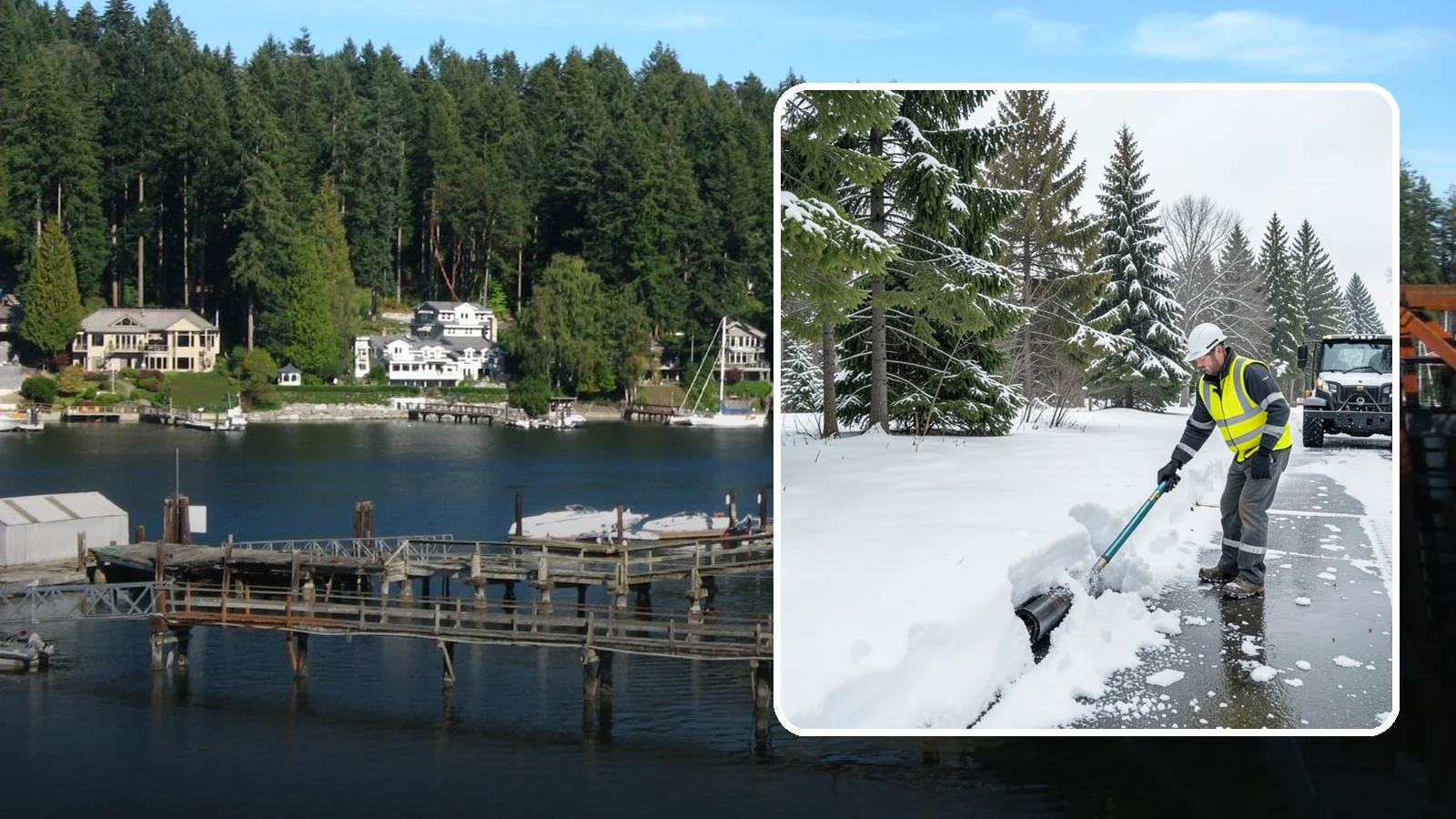
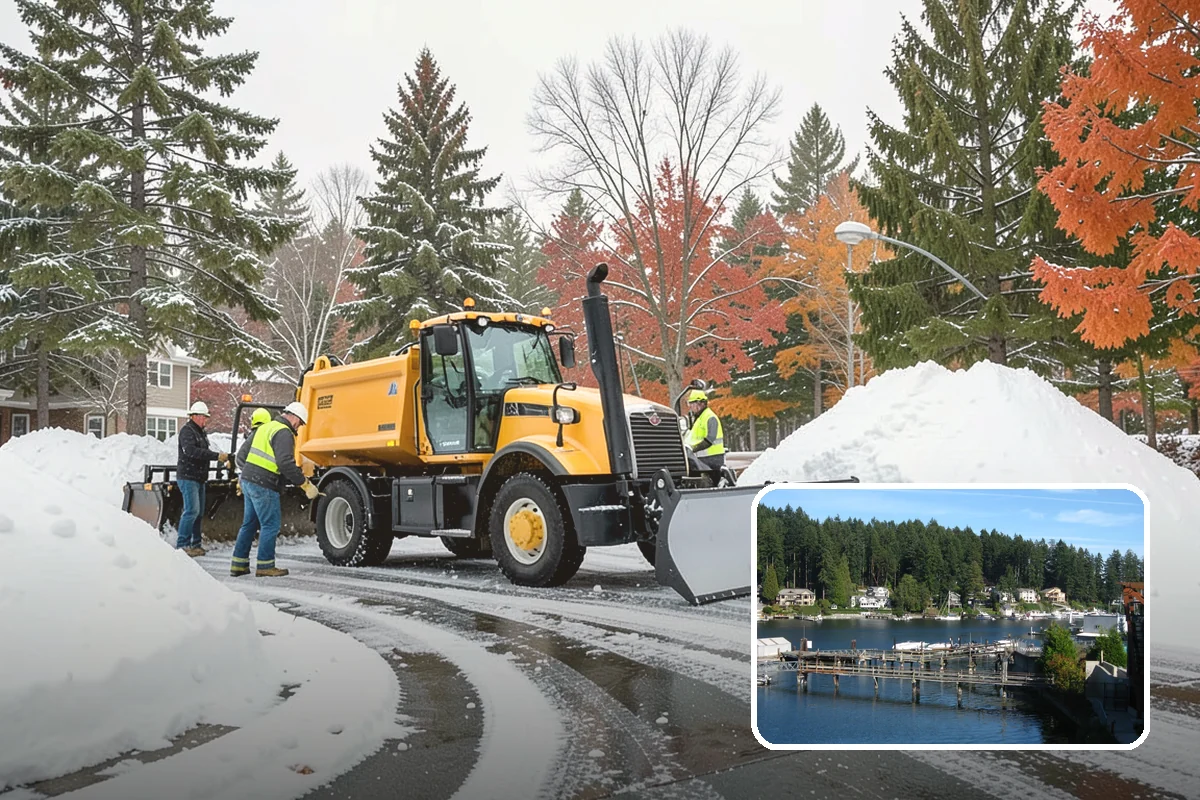
This is hand work. A crew member shovels and chips snow and ice from around the pipe access points on your property, then clears a walkable path to each one. We do not thaw or repair pipes. We make the area safe and open so you or your plumber can get in.
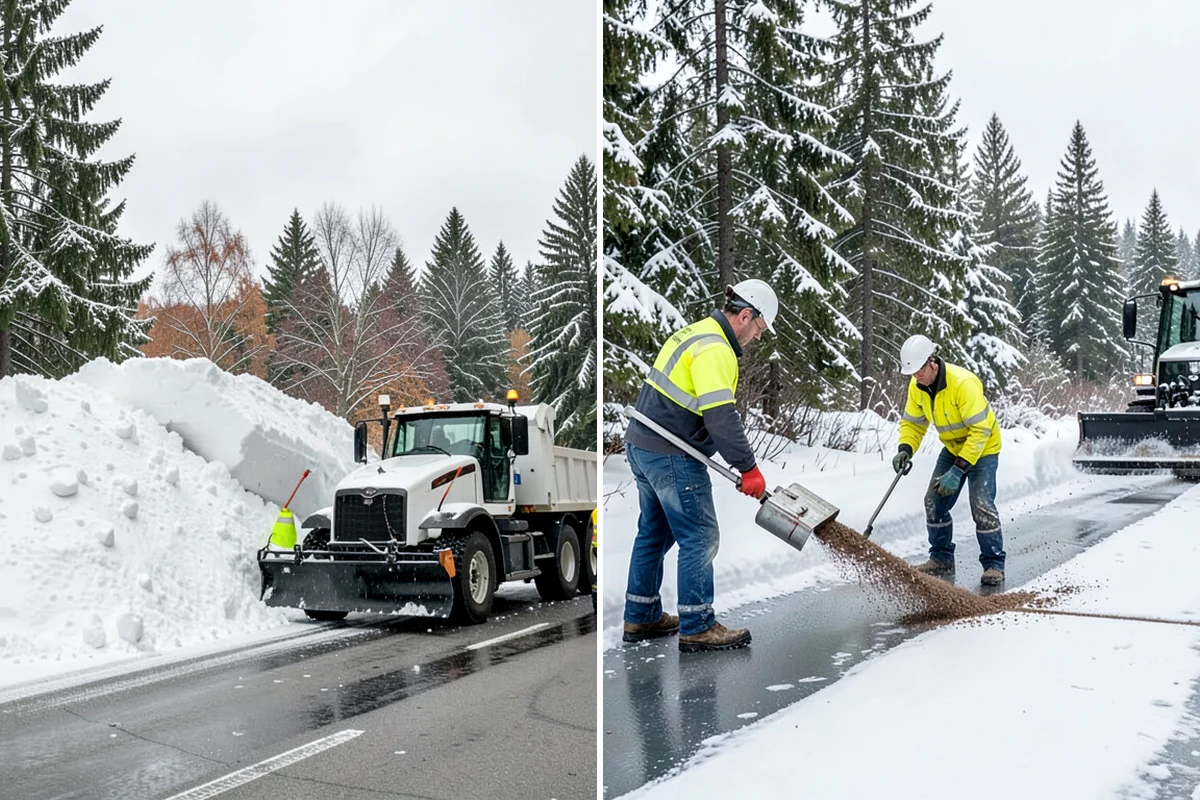
Gig Harbor sees about 1.5 days a year with 1 in or more of snow, but it logs 31 freezing nights between October and April. Pipes are at risk on those cold nights even when little snow falls. Ice is also part of the pattern. Ice storms were reported on Jan 19, 2012 and Dec 23, 2022, and freezing rain was reported at Gig Harbor on Dec 23, 2022. Ice packed around a hatch or valve box takes careful chipping, not just a shovel push.
Typical tasks include:
- Clearing around meter boxes and shutoff valves
- Opening paths to crawlspace hatches
- Freeing hose bibs and backflow assemblies from ice
- Clearing steps and walks to those points
Pricing is simple. Crew members bill at $110 per person-hour. Gig Harbor is in zone C, with a trip charge of $350 per dispatch. The yard is 84 minutes away in Bothell, so call 206-809-9669 early when a freeze is forecast.