Keeping You Moving. Beyond Expectations.

Milton Industrial Facility Parking Lot Snow Removal
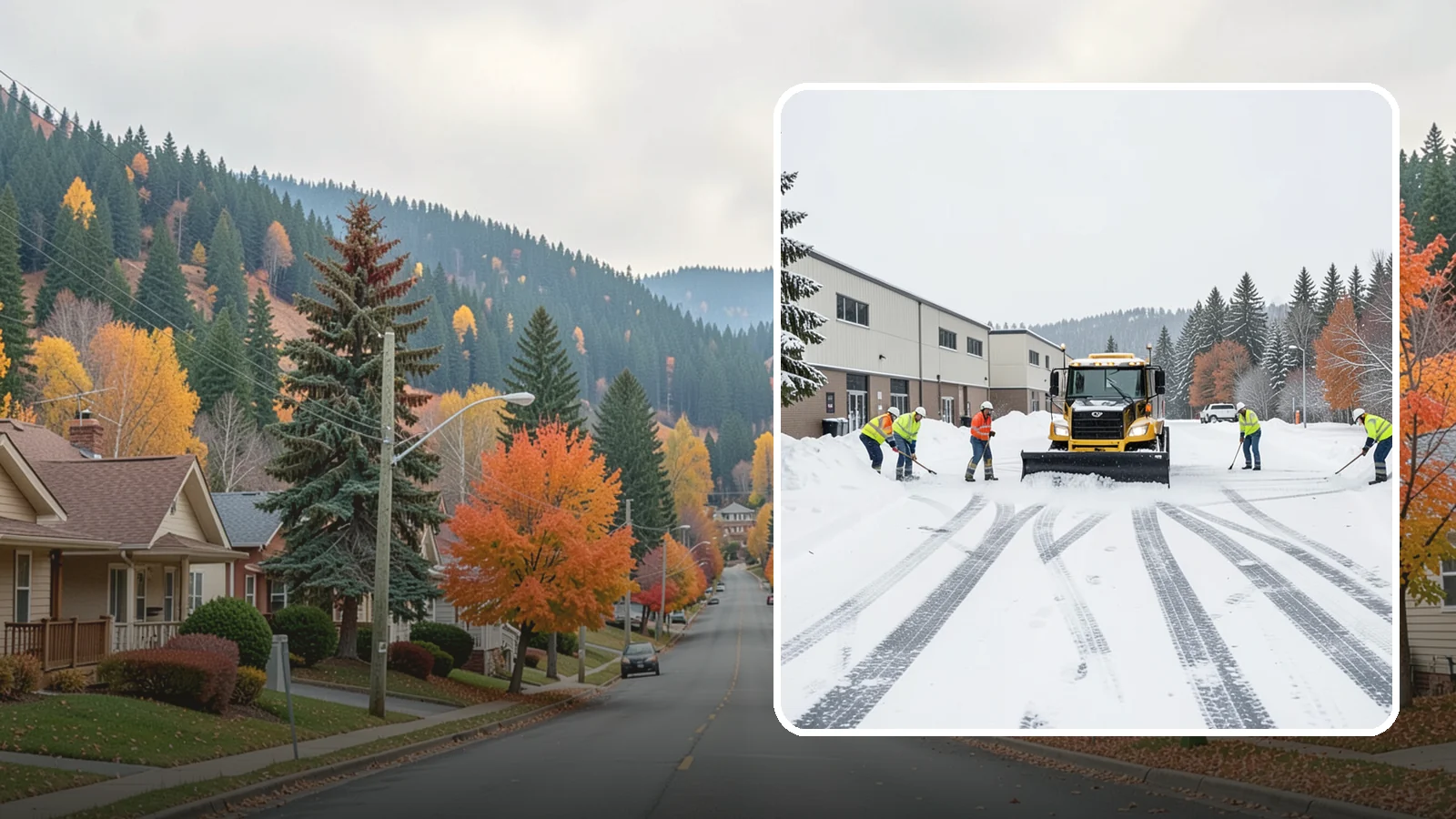
We clear large industrial lots and truck approaches so Western Washington operations keep running through winter weather.
Industrial lots in Milton need to stay open for trucks, shift workers and deliveries. Washington Snow Removal plows and treats parking lots, walks and entrances at industrial facilities in Milton, in King County and Pierce County. We are based in Bothell, WA, and we are licensed, bonded and insured.
Milton has 22 industrial sites on the map, including Bridge Point I-5. Snow here is rare, but when it comes it can be heavy. Call 206-809-9669 to talk about your lot, your entrances and how you want them handled.
Planning a Milton snow season
Average snowfall by month in Milton
Biggest storms in Milton since 2005
- Jan 15–20, 2012: 12.7 in total, 4.4 in on the biggest day
- Dec 26–31, 2021: 12.4 in total, 5.6 in on the biggest day
- Feb 5–6, 2017: 9.5 in total, 7.8 in on the biggest day
- Feb 12–15, 2021: 9.0 in total, 6.8 in on the biggest day
Sources: NOAA and National Weather Service records for Milton, 2005–2026.
How Snow and Ice Affect Industrial Lots in Milton
Milton averages 6.1 in of snow per season. An average season has 1.86 plow events, and only 1.9 days a year bring 1 in or more. That means most winters need little plowing. Ice is the steadier problem. Milton sees 28 freezing nights from October to April and about 3.95 light-snow days a year that need deicing.
The big storms still matter. Since 2005, Milton has had 12.7 in over Jan 15-20, 2012, and 12.4 in over Dec 26-31, 2021. The biggest single day was 7.8 in on Feb 5-6, 2017. An industrial lot with trailers and loading areas can stall quickly under that much snow.
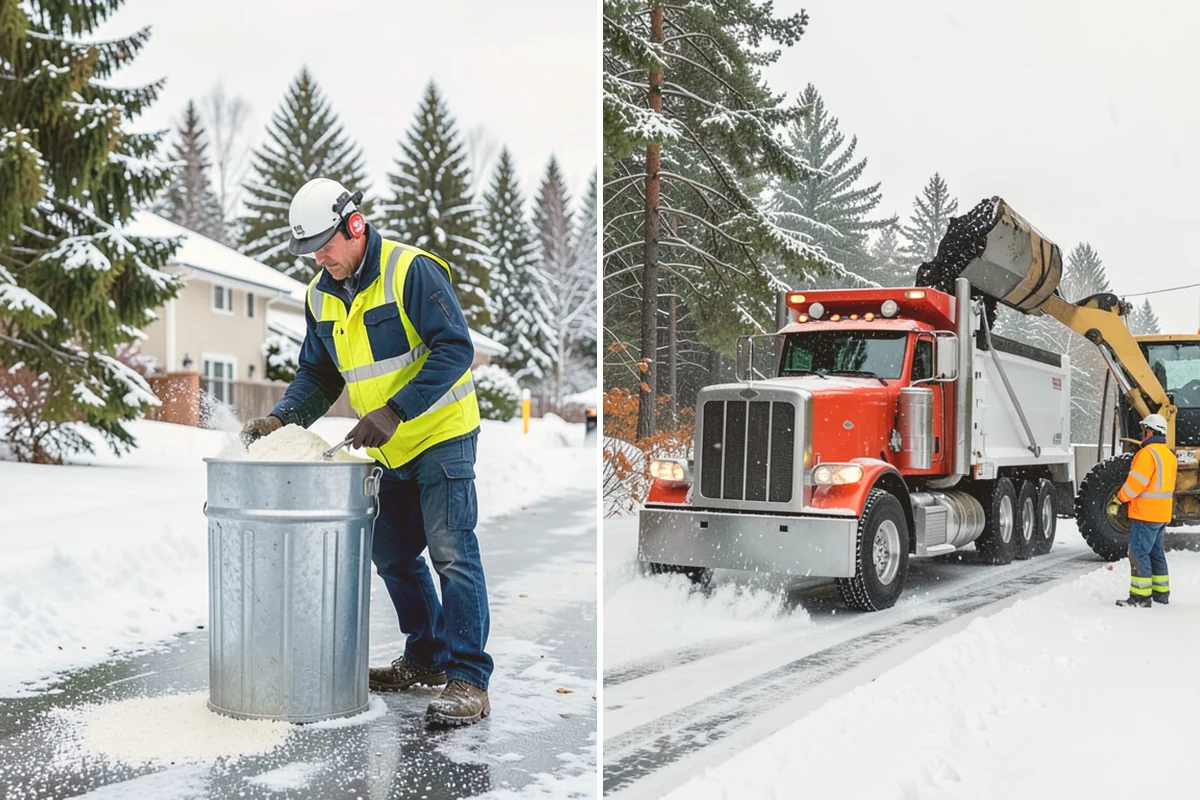
At an industrial facility, the work usually includes:
- Plowing truck lanes, employee parking and gate entrances
- Spreading bulk salt or bagged ice melt on frozen surfaces
- Hand work on walks and doorways with crew members
- Clearing tight corners and dock areas with a compact track loader
Milton is 66 minutes from our Bothell yard. Each dispatch has a 2-hour minimum and a $350 trip charge for Milton (zone C). Plow trucks start at $250 per hour.
Prices in Milton
Billed by the hour for the crew and equipment on site, plus materials.
| Plow truck with driver (Ram 3500) | $250 / hour |
| Plow and spreader truck with driver (Ram 5500) | $325 / hour |
| Compact track loader with operator (Kubota SCL1000) | $175 / hour |
| Crew member (shoveling, sidewalks, hand work) | $110 / person-hour |
| Ice melt, bagged | $45 / 50 lb bag |
| Bulk salt, applied | $300 / ton |
| Trip charge for Milton (zone C) | $350 / dispatch |
- 2-hour minimum per dispatch.
- Milton is 66 minutes from our Bothell yard.
Prices approved Oct 2026.
Industrial sites in Milton
Milton has 22 industrial sites on the map, each with lots, walks or entrances to keep clear.
- Bridge Point I-5
Source: OpenStreetMap contributors, Oct 2026. Named sites are examples of local facilities, not customers.

Service Area
Milton
Benefits
Large lots and truck approaches stay open to protect production; semi turning areas and gate approaches are cleared for heavy vehicles; dock ramps are deiced so loaded trailers keep traction; passes are timed around shift changes for every crew; scalable equipment matches the acreage of an industrial site