Entrance Clearing at Mount Vernon Businesses
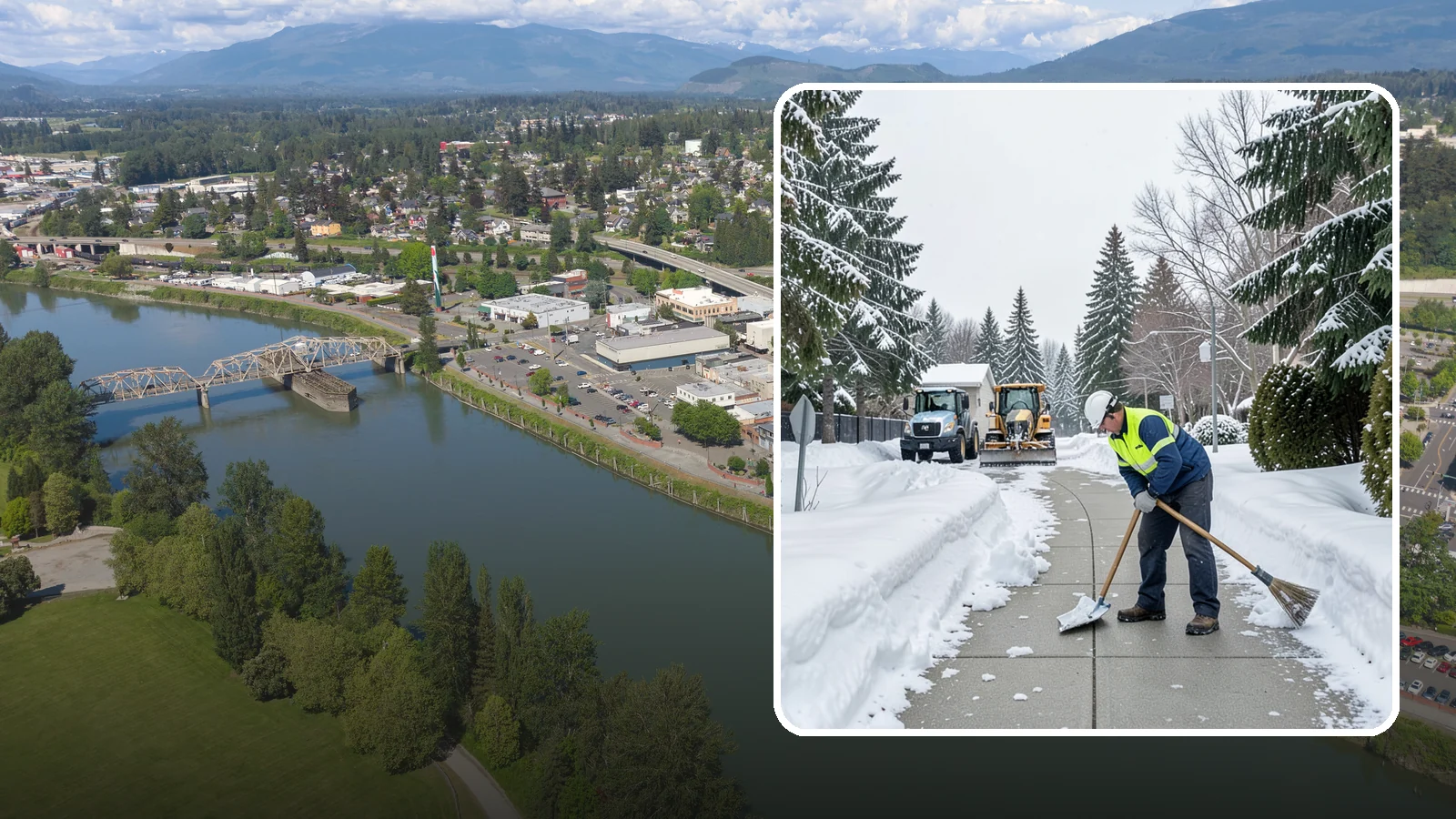
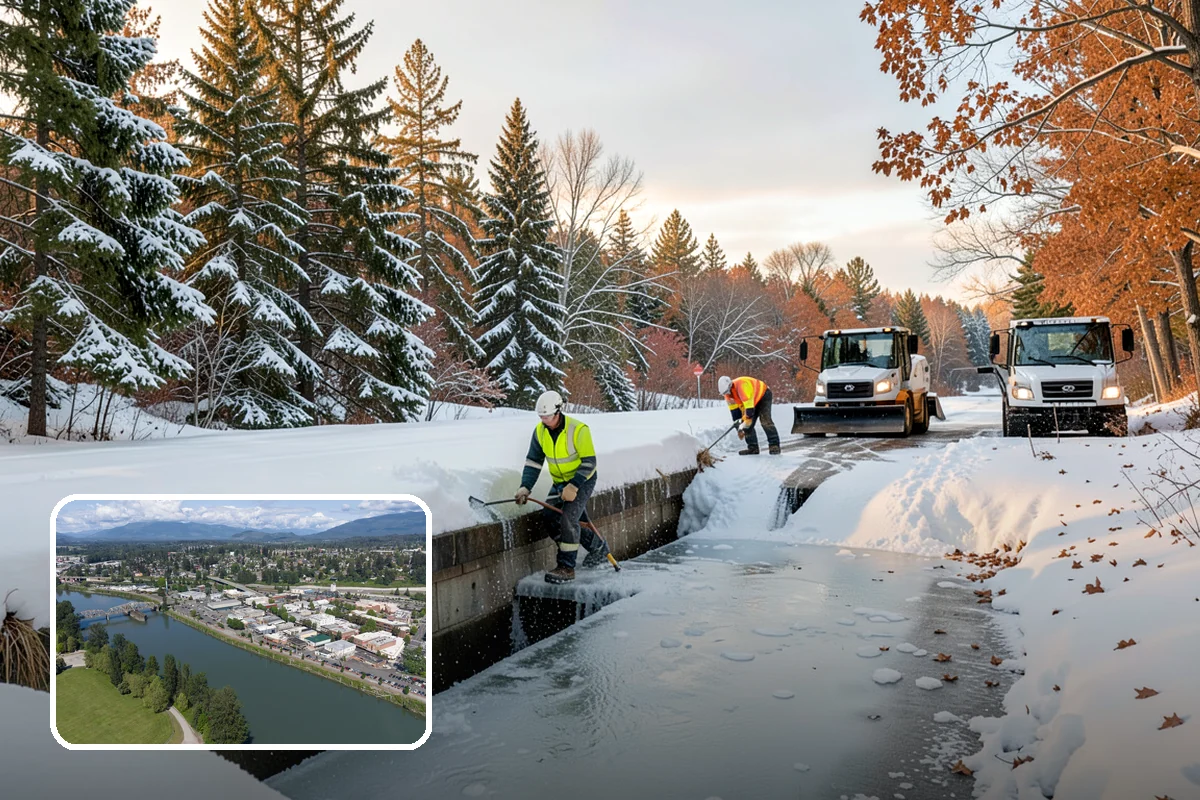
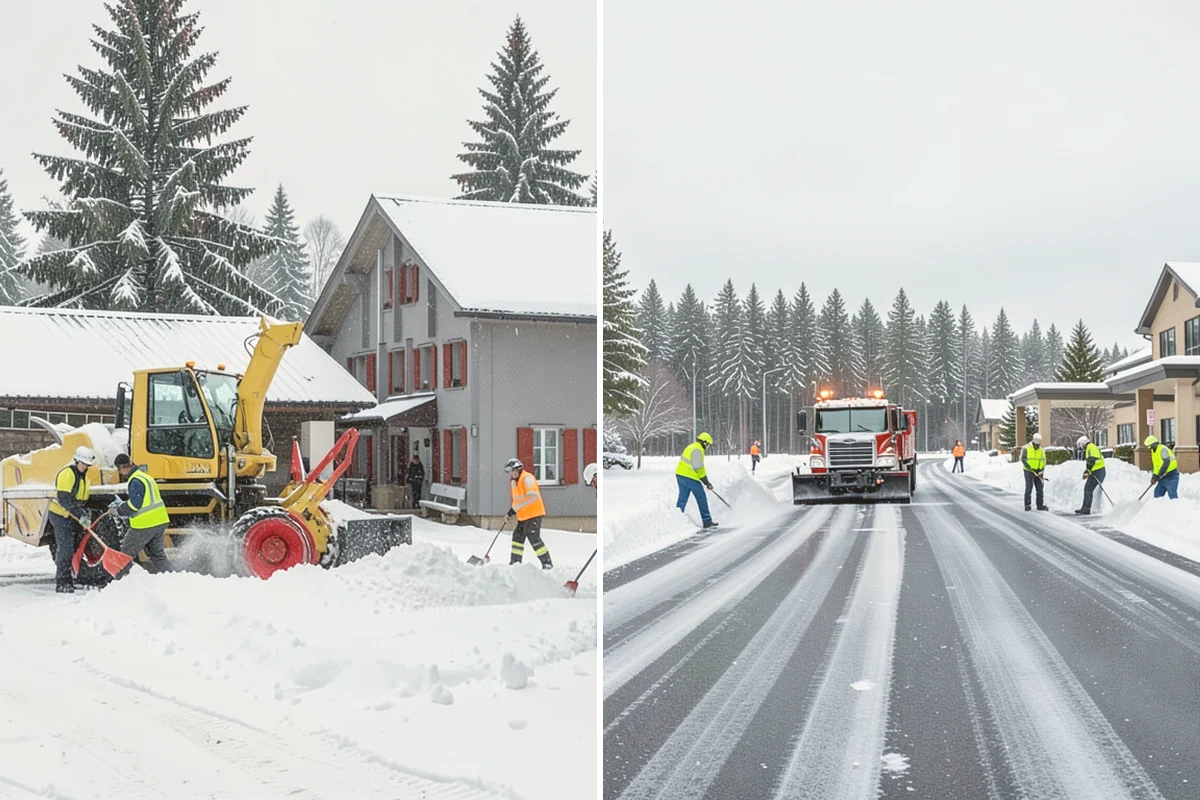
Entrance work is mostly hand work. A crew shovels the walk to the door, clears the landing, and spreads ice melt where people step in and out. Bagged ice melt is useful on a thin glaze that a shovel cannot lift.
Mount Vernon sees only about 2.6 days a year with 1 in or more of snow, and snow stays on the ground about 5 days a year. Light-snow days that need deicing run about 2.67 a year. So the job is often a short, early visit rather than a long plowing run. Recent events in the area include Winter Weather on Dec 1, 2022, and Winter Storms on Feb 12, 2021 and Jan 14, 2020. Heavy Snow hit on Feb 23, 2011.
Here is what a visit can include:
- Shoveling the entrance, sidewalk and door landing
- Applying ice melt to walking surfaces
- Using a compact track loader for larger snow piles near the entrance
Pricing is posted plainly. Crew members are $110 per person-hour. A compact track loader with operator is $175 per hour. Bagged ice melt is $45 per 50 lb bag. Mount Vernon is zone C, with a $350 trip charge per dispatch. Each dispatch has a 2-hour minimum. Our yard in Bothell is 62 minutes away, so we plan visits around that drive.