How Culvert Thawing Works in Mount Vernon, WA
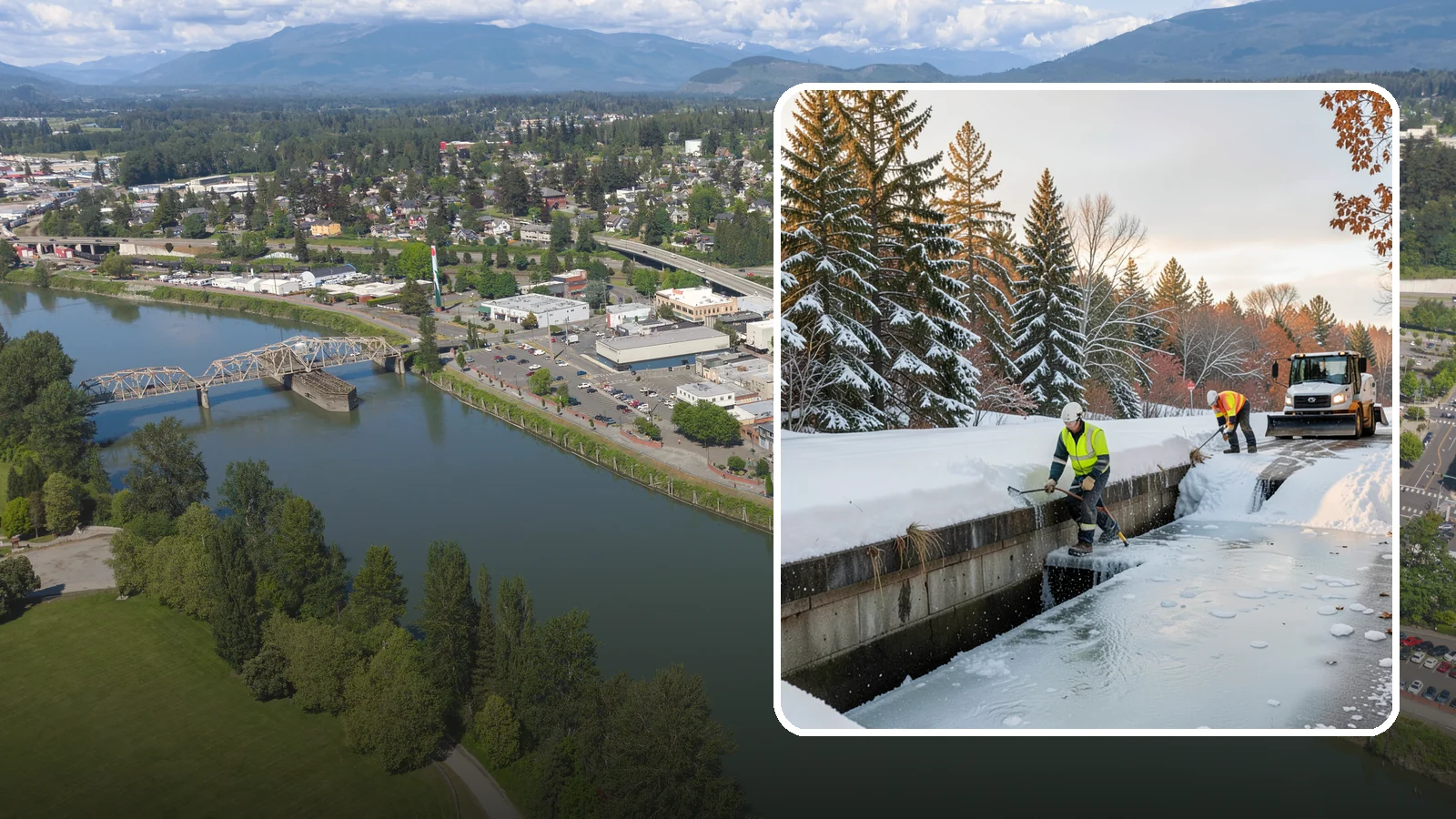
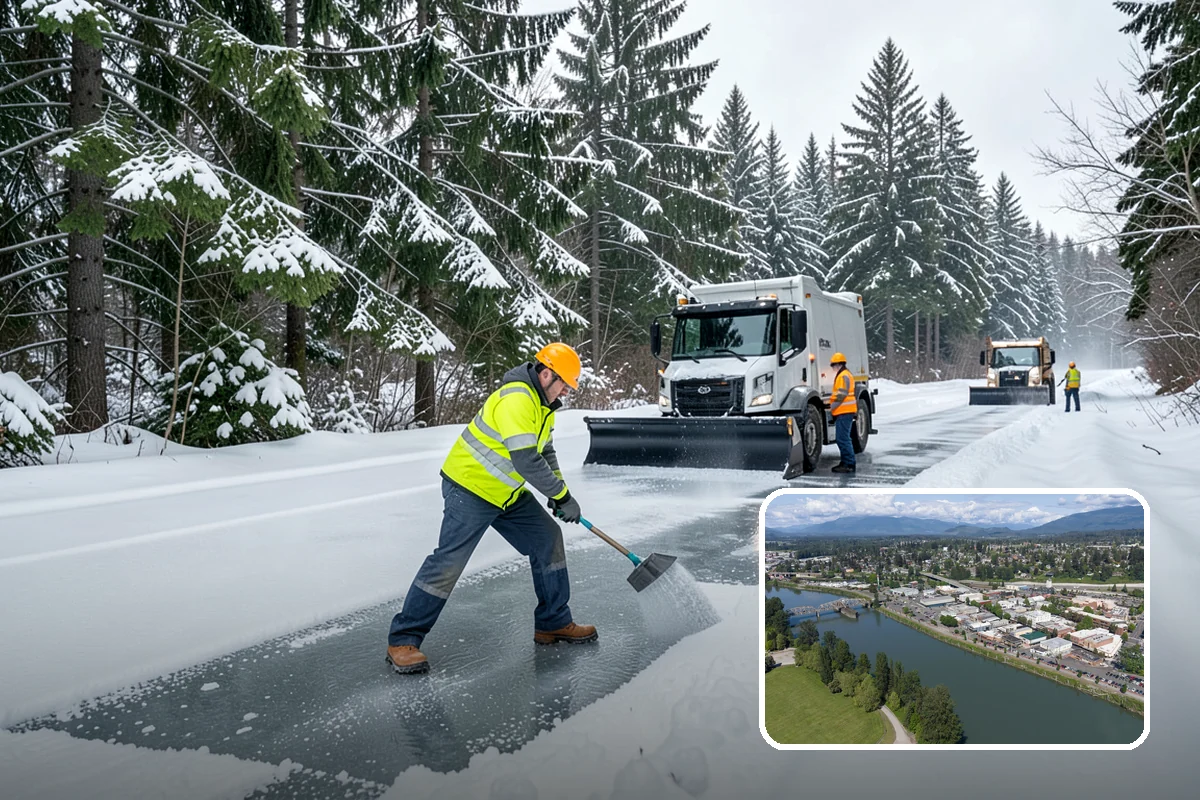
A frozen culvert can back water up onto a driveway, a field entrance or a road shoulder. Thawing is hand work. A crew finds both ends of the pipe, clears snow and debris from the inlet and outlet, and works the ice out so water can pass.
Mount Vernon does not get snow often. The area averages 2.6 days a year with 1 in or more of snow and about 2.0 days a year that stay below freezing. The bigger issue is the 37 freezing nights between Oct and Apr. Meltwater and rain can refreeze overnight inside a pipe, even after the snow is gone.
Recent events logged for the area include Winter Weather on Dec 19, 2022, Heavy Snow on Nov 29, 2022, and Winter Storms on Jan 14 and Jan 12, 2020. Storms like these can leave a pipe blocked with ice and packed snow when the thaw starts.
What a visit involves:
- Locating and clearing the culvert inlet and outlet
- Removing snow, ice and debris around the opening
- Checking that water is moving through the pipe
Pricing is simple. Crew time is $110 per person-hour, plus a $350 trip charge per dispatch to Mount Vernon (zone C).