Generator Access Clearing in Pacific, WA: What It Involves
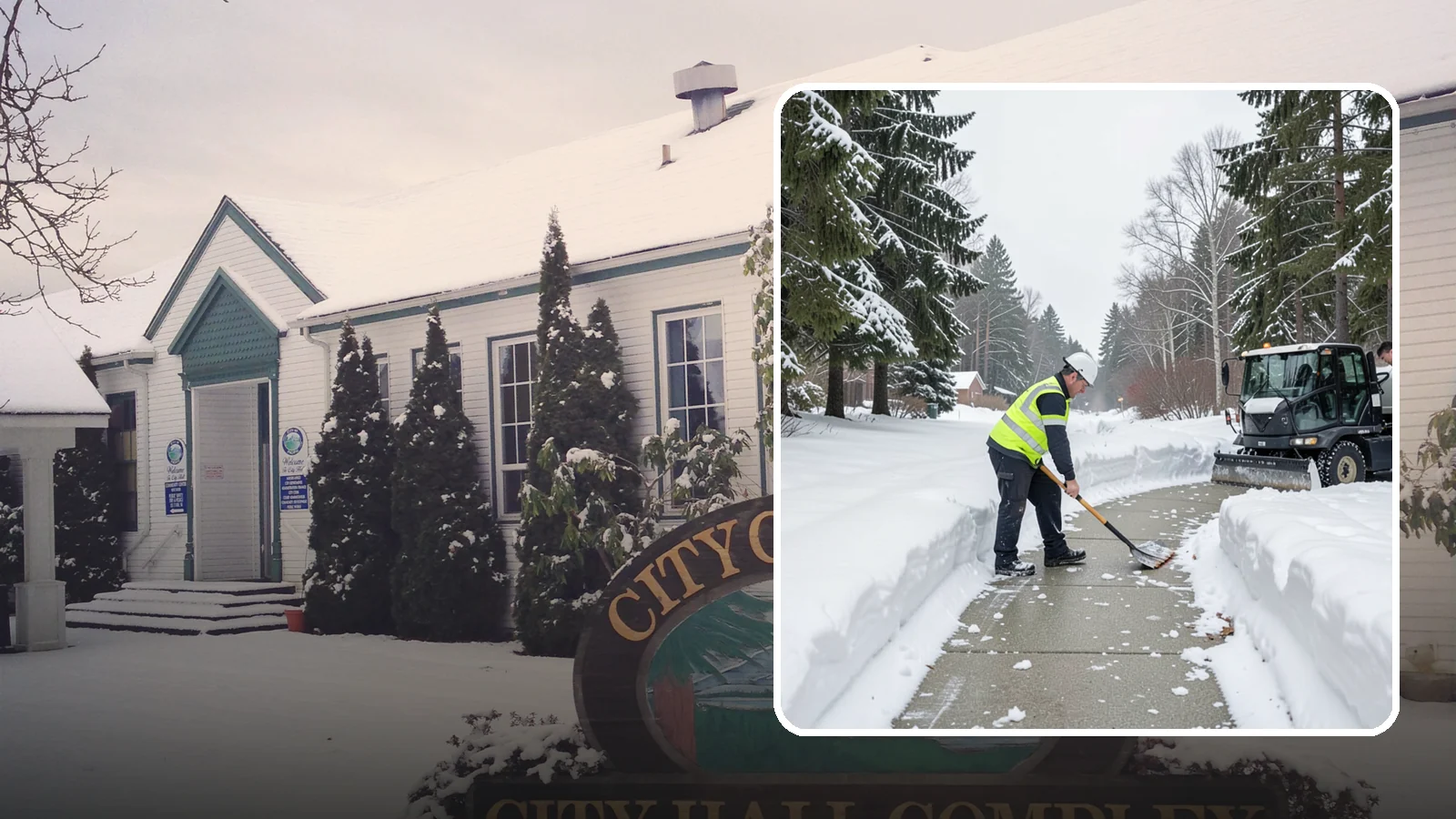
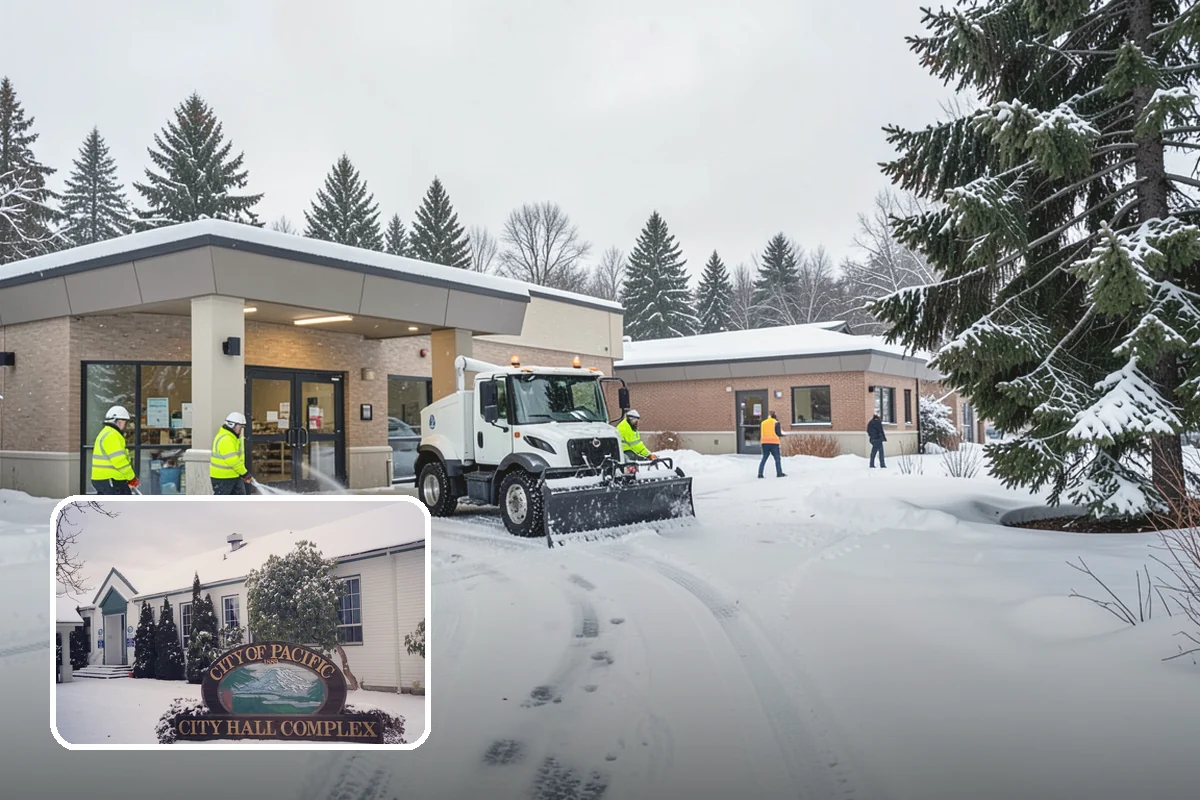
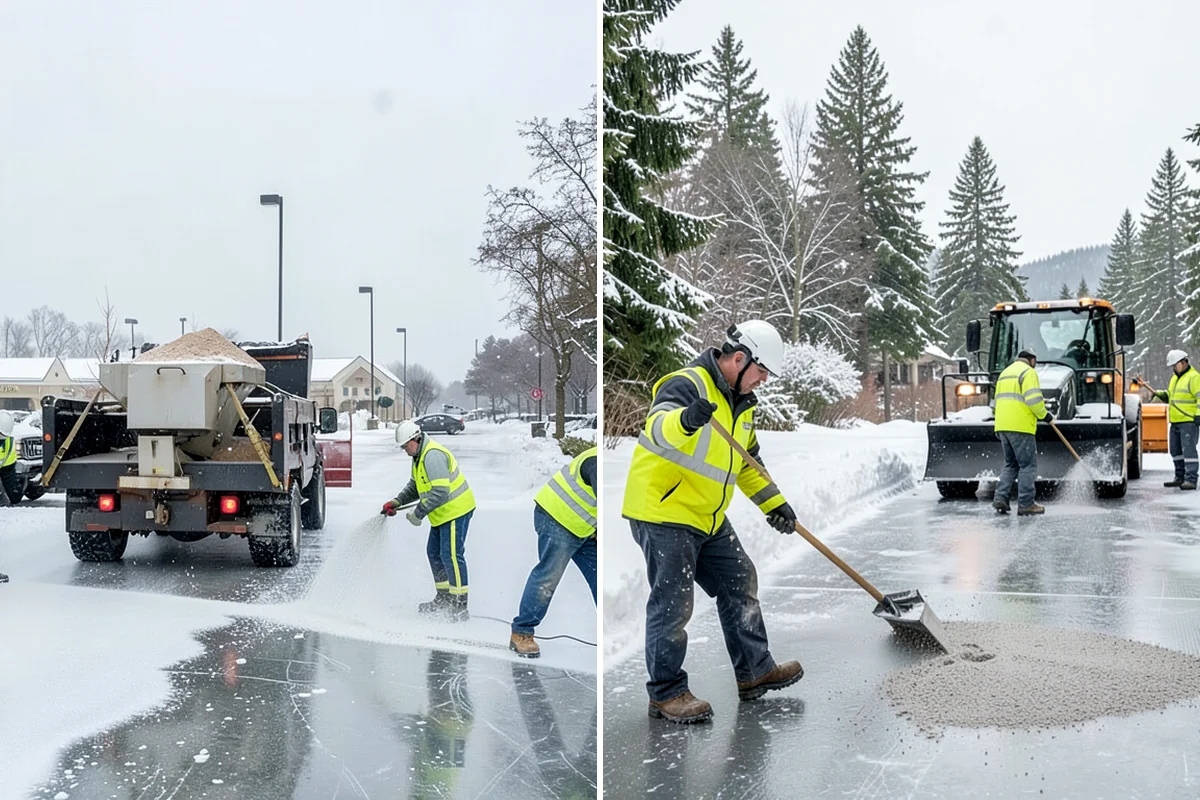
Generator access clearing means opening a safe, usable path to your generator and keeping the area around it free of snow and ice. Crews work by hand around the unit so nothing gets damaged.
- Shoveling a walkway from the door to the generator
- Clearing snow away from the unit, its vents and the exhaust side
- Opening access to the panel, fuel connection and shutoff
- Spreading bagged ice melt on the path where ice is a slip risk
Pacific sits on the King County and Pierce County line. Snow here is not frequent. The area sees about 2.1 days a year with 1 inch or more, and about 2.67 light-snow days that need deicing. But there are 28 freezing nights between October and April, so ice on a path is common even when little snow falls. Freezing rain has also been reported nearby, including near Federal Way on Dec 23, 2022, and near Puyallup on Jan 19, 2012. Ice like that can seal a path overnight and is hard to walk on.
Pricing: crew members are $110 per person-hour, a compact track loader with operator is $175 per hour, and bagged ice melt is $45 per 50 lb bag. The trip charge for Pacific (zone B) is $275 per dispatch, with a 2-hour minimum.