Catch Basin Snow Clearing at Puyallup Properties
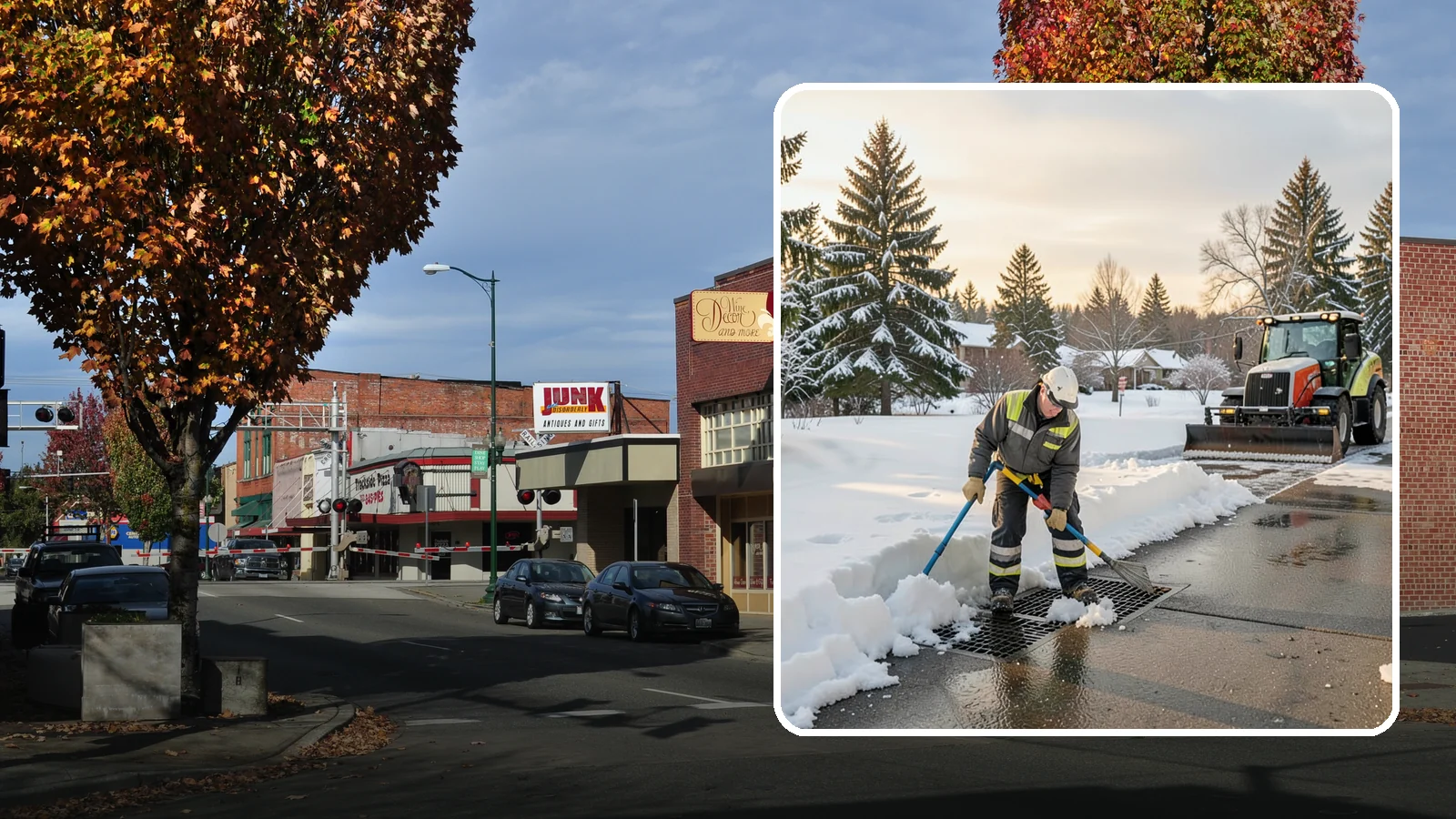
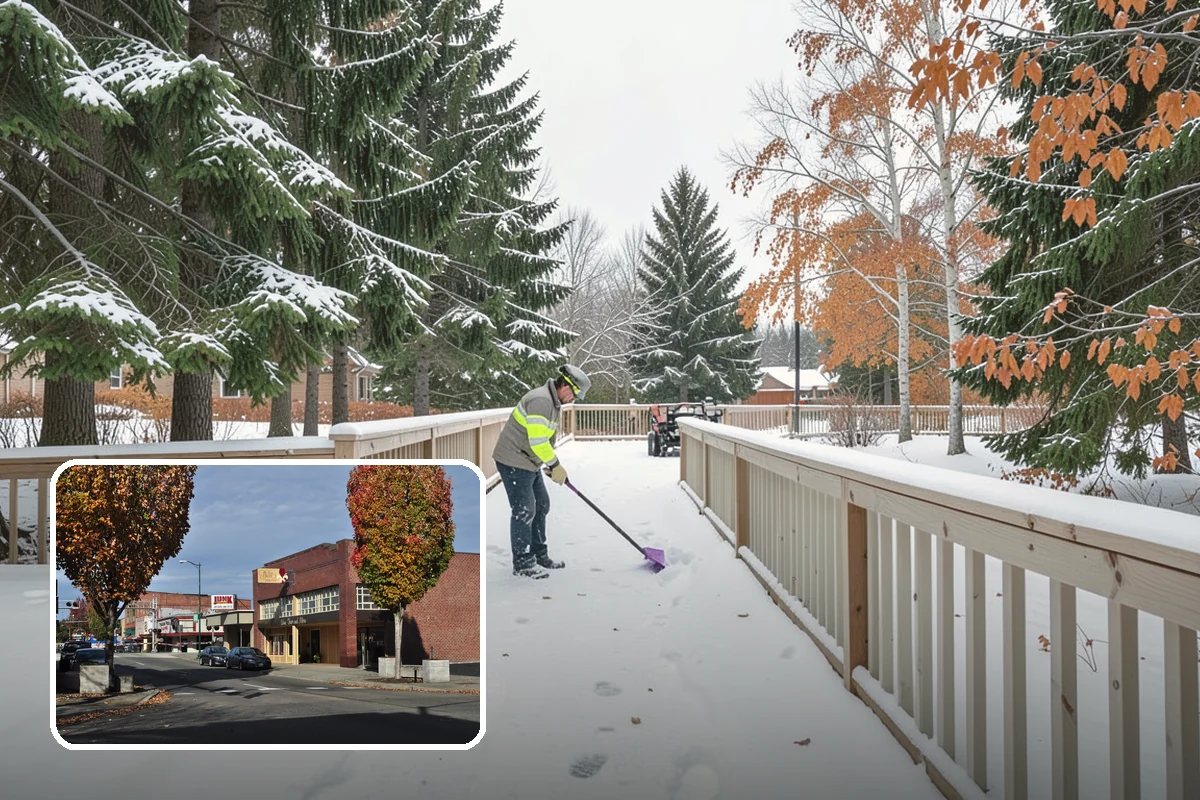
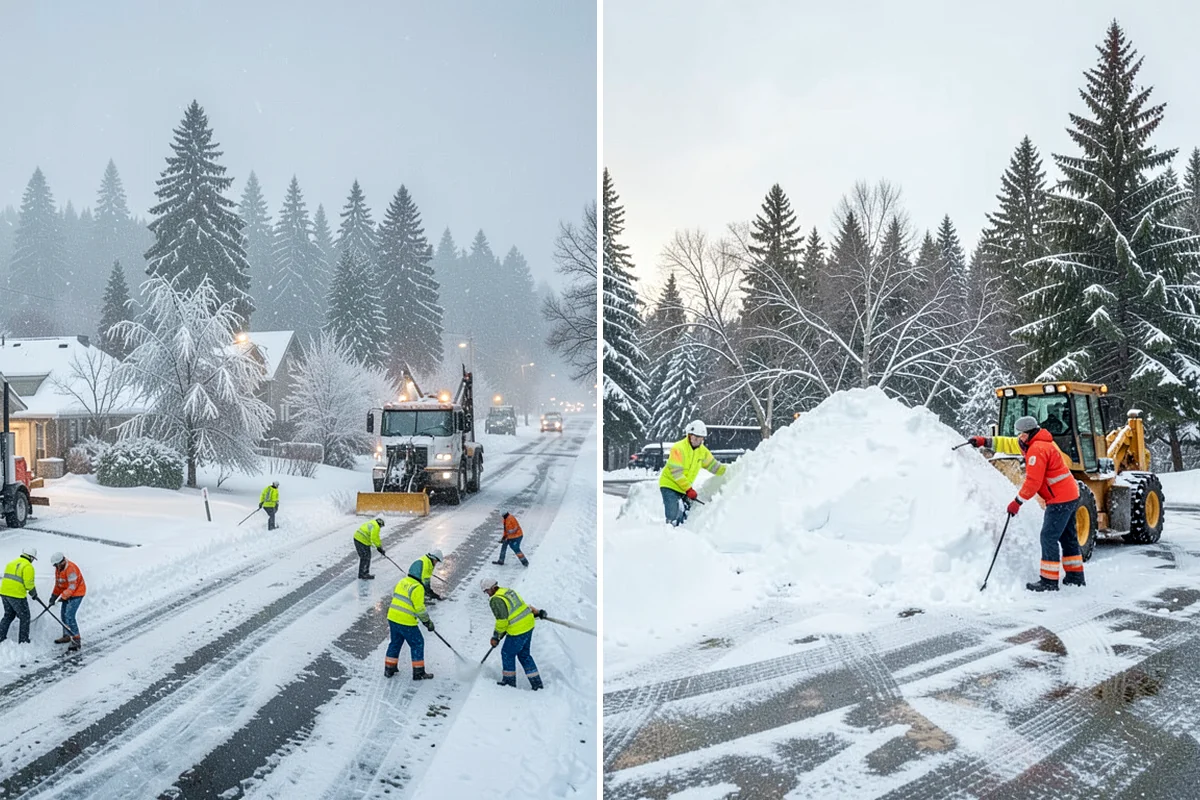
Catch basin clearing is hand work. A crew member digs snow, slush and packed ice off the grate and opens a path so water can drain. We also clear the area around the basin so meltwater can reach it.
Puyallup does not see much deep snow. The city gets about 2.4 days a year with 1 in or more of snow and about 5 days with snow on the ground. The bigger problem is the cycle of light snow, melt and refreeze. There are about 4.07 light-snow days a year that need deicing, and about 3.38 Winter Weather Advisories. A blocked basin on a thaw day can turn into a sheet of ice by morning.
Freezing rain and ice storms have also hit the area, including the Jan 19, 2012 ice storm and freezing rain reported near Puyallup on Jan 20, 2012. Ice like that can seal a grate quickly.
A typical visit includes:
- Clearing snow and slush from basin grates
- Breaking up ice around the opening
- Opening a path for meltwater from nearby pavement
- Checking low spots where water collects
Pricing is $110 per person-hour for hand work, plus a $350 trip charge per dispatch to Puyallup (zone C). Our Bothell yard is 69 minutes away.