Commercial Stair Clearing in Puyallup: What to Expect
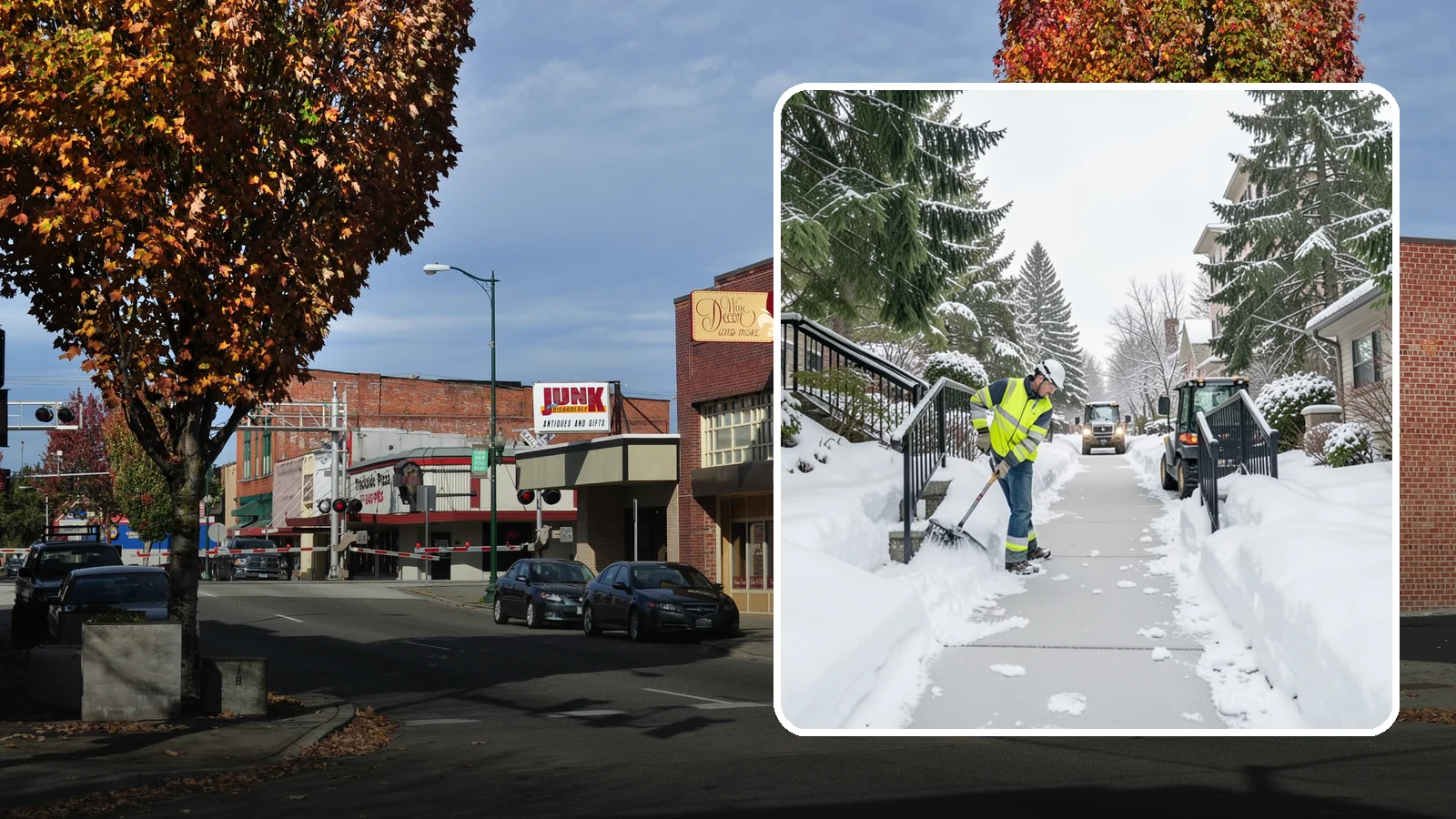
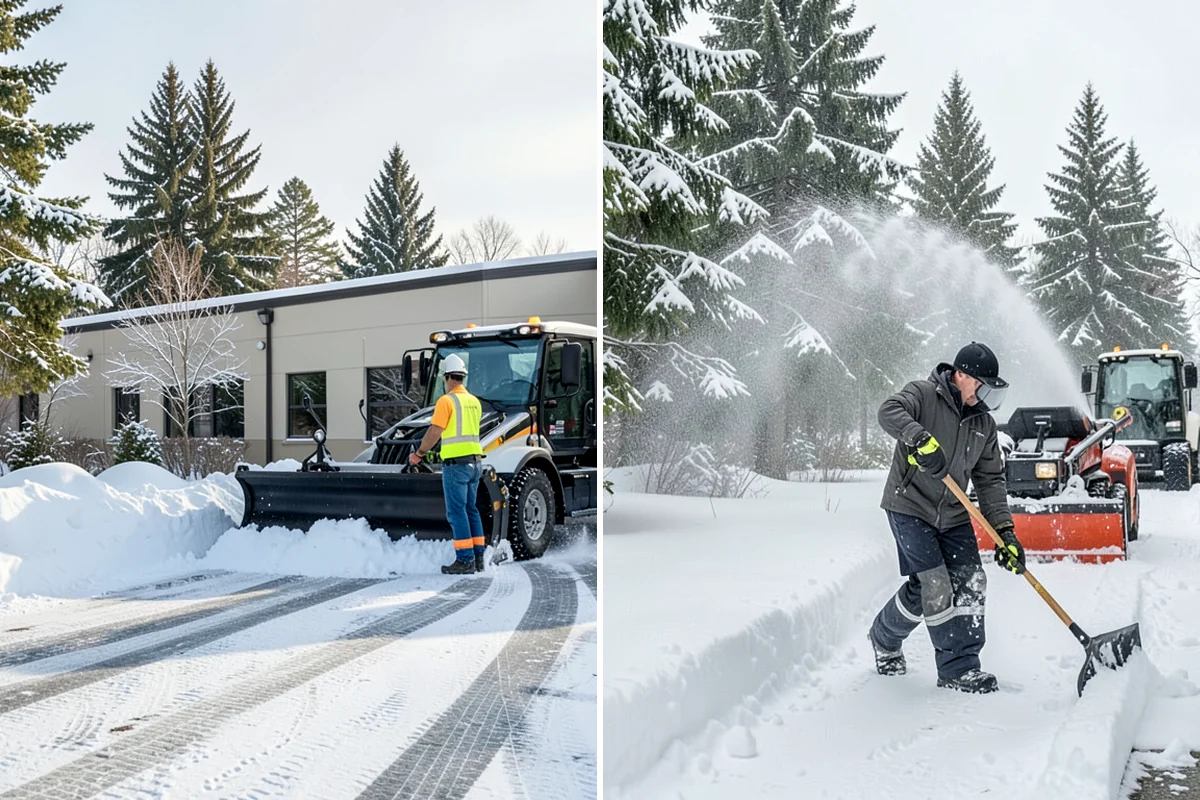
Stairs cannot be plowed. Crew members shovel each tread and landing by hand, then spread ice melt where ice is likely to form or has already formed. Handrails, door thresholds, and the base of each stair get attention too, since that is where people slip.
Puyallup does not get much snow. The average is 7.8 in per season, and only 2.4 days a year bring 1 in or more. That means most winters need few visits. But the area logged a Winter Storm on Feb 12, 2021, Heavy Snow on Feb 22, 2018, and an Ice Storm on Jan 19, 2012. Stairs that are rarely cleared can catch owners unprepared when one of these hits.
Ice is often the bigger issue. There are 29 freezing nights between October and April, and about 4.07 light-snow days a year need deicing. A thin layer of snow or frost on concrete steps can be as slippery as a deeper fall.
Pricing for Puyallup:
- Crew member: $110 per person-hour
- Ice melt, bagged: $45 per 50 lb bag
- Trip charge for Puyallup (zone C): $350 per dispatch
- 2-hour minimum per dispatch
Call 206-809-9669 to set up service for your stairs.