Keeping You Moving. Beyond Expectations.
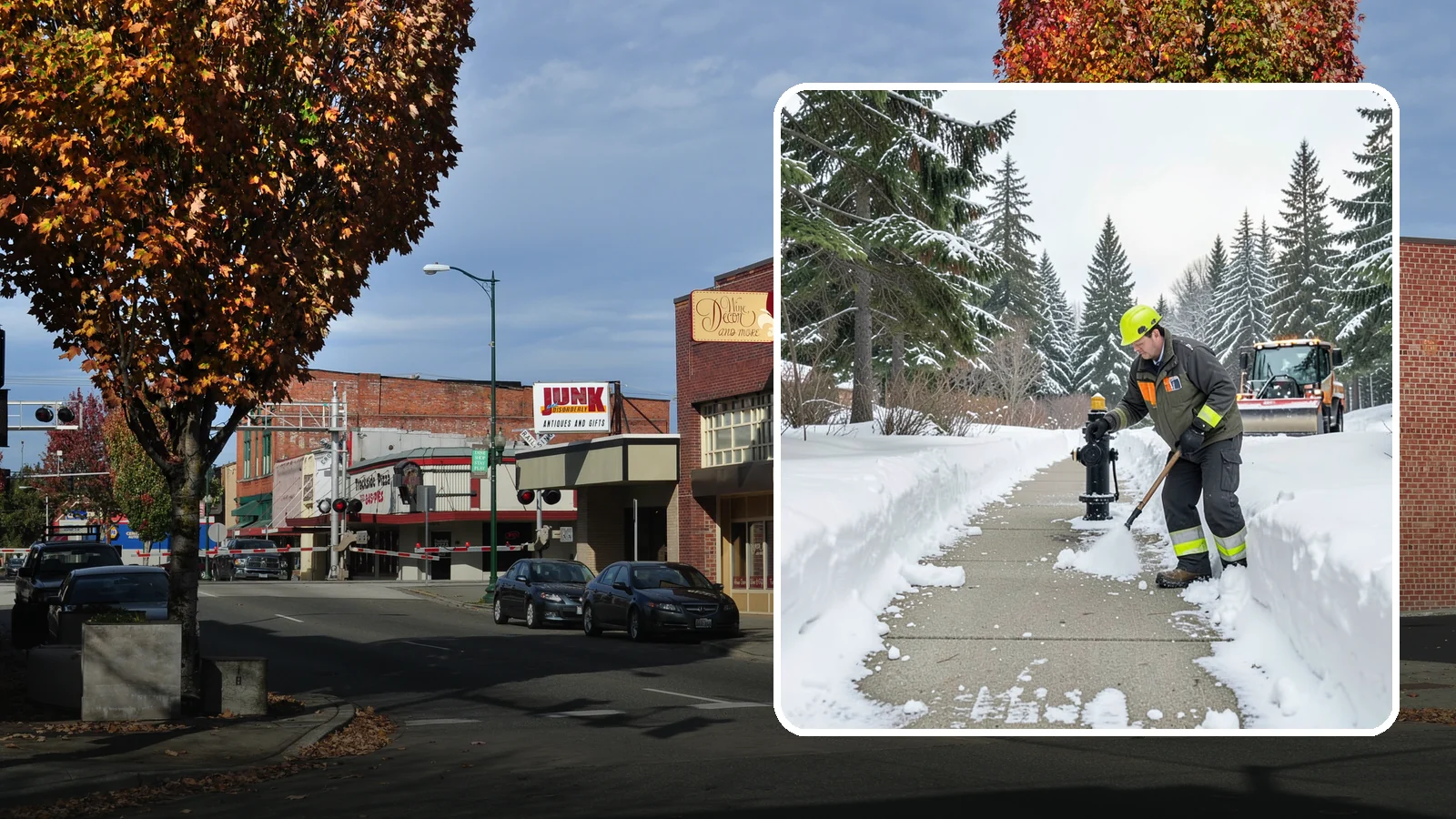
We clear snow and ice from fire hydrants so crews can connect without delay in an emergency.
Fire hydrants in Puyallup get buried fast when plows push snow to the curb. A hydrant under a drift is hard to find and slow to reach. Washington Snow Removal clears snow and ice from hydrants so crews can get to them.
Puyallup averages 7.8 in of snow per season, and 80% of winters see at least one day with 1 inch or more. Storms are rare but can be heavy. We are licensed, bonded and insured. Call 206-809-9669 to set up hydrant clearing.
Sources: NOAA and National Weather Service records for Puyallup, 2005–2026.
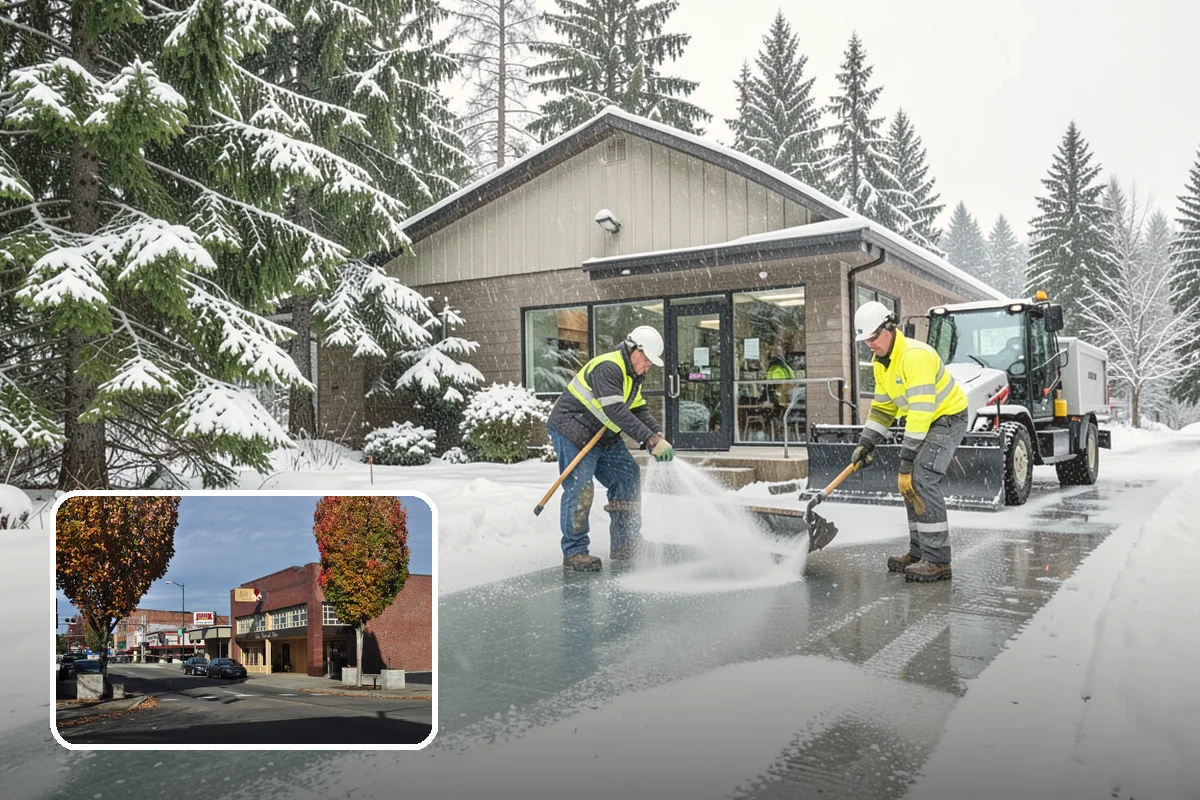
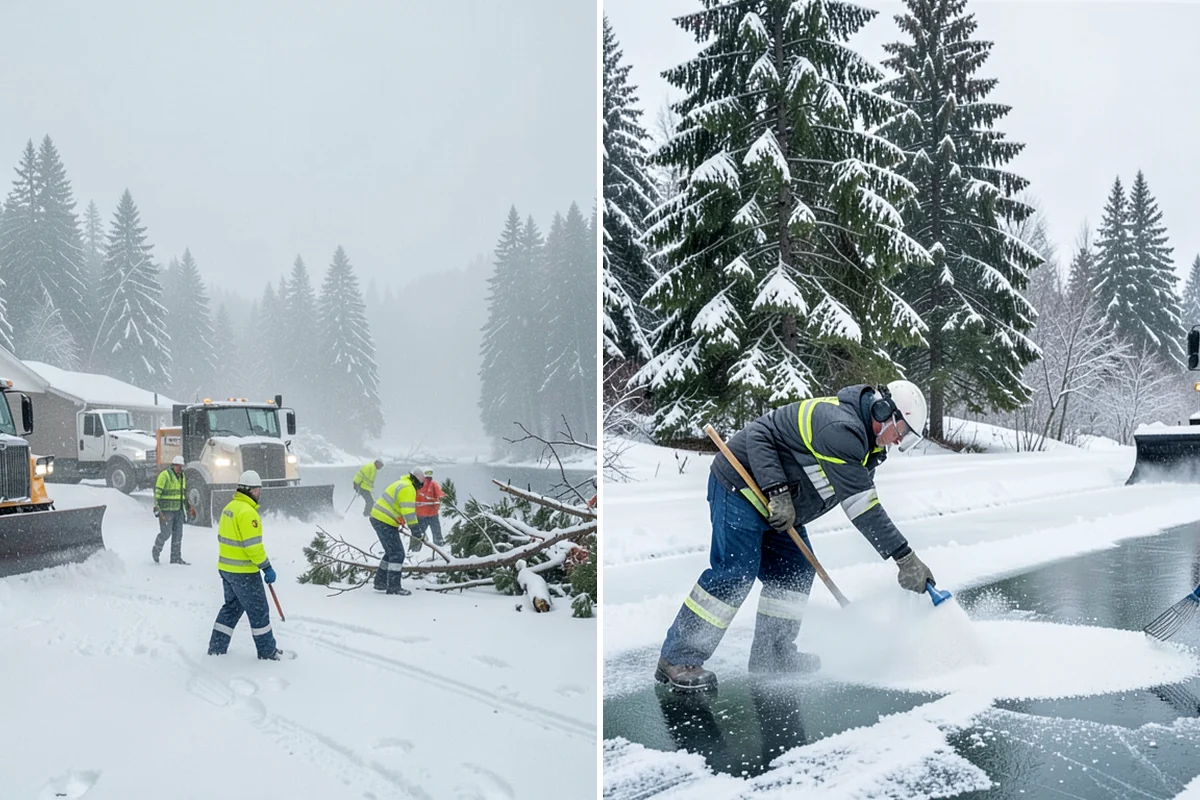
Hydrant clearing is hand work. A crew member digs out the hydrant and opens a path from the street to it. We also clear around the caps and outlets so a wrench can turn. Where ice has formed, we break it up and treat the spot with ice melt.
Puyallup has 80 mapped fire hydrants. Snow here is usually light. The city sees 2.4 days a year with 1 inch or more, and about 5 days with snow on the ground. But big storms do happen. Feb 8–12, 2019 brought 16.0 in in total, with 8.1 in on the biggest day. Feb 12–15, 2021 brought 14.2 in, with 9.3 in on the biggest day. Snow that deep buries a hydrant completely.
Ice is also a concern. Puyallup has 29 freezing nights from Oct to Apr, and about 4.07 light-snow days a year need deicing. Melted snow can refreeze around a hydrant overnight.
Pricing for this work:
There is a 2-hour minimum per dispatch. Our yard in Bothell is 69 minutes from Puyallup.

Billed by the hour for the crew and equipment on site, plus materials.
| Crew member (shoveling, sidewalks, hand work) | $110 / person-hour |
| Compact track loader with operator (Kubota SCL1000) | $175 / hour |
| Ice melt, bagged | $45 / 50 lb bag |
| Trip charge for Puyallup (zone C) | $350 / dispatch |
Prices approved Oct 2026.
There are 80 mapped fire hydrants mapped within Puyallup.
Source: OpenStreetMap contributors, Oct 2026. Named sites are examples of local facilities, not customers.
Keeps hydrants visible and reachable for responding crews; Helps property owners meet fire-access clearance rules; Clears plow wash that often reburies hydrants; Maintains a safe working zone around connection points