Keeping You Moving. Beyond Expectations.
We respond rapidly across Western Washington to eliminate ice hazards on your property before they cause a fall or a liability claim.
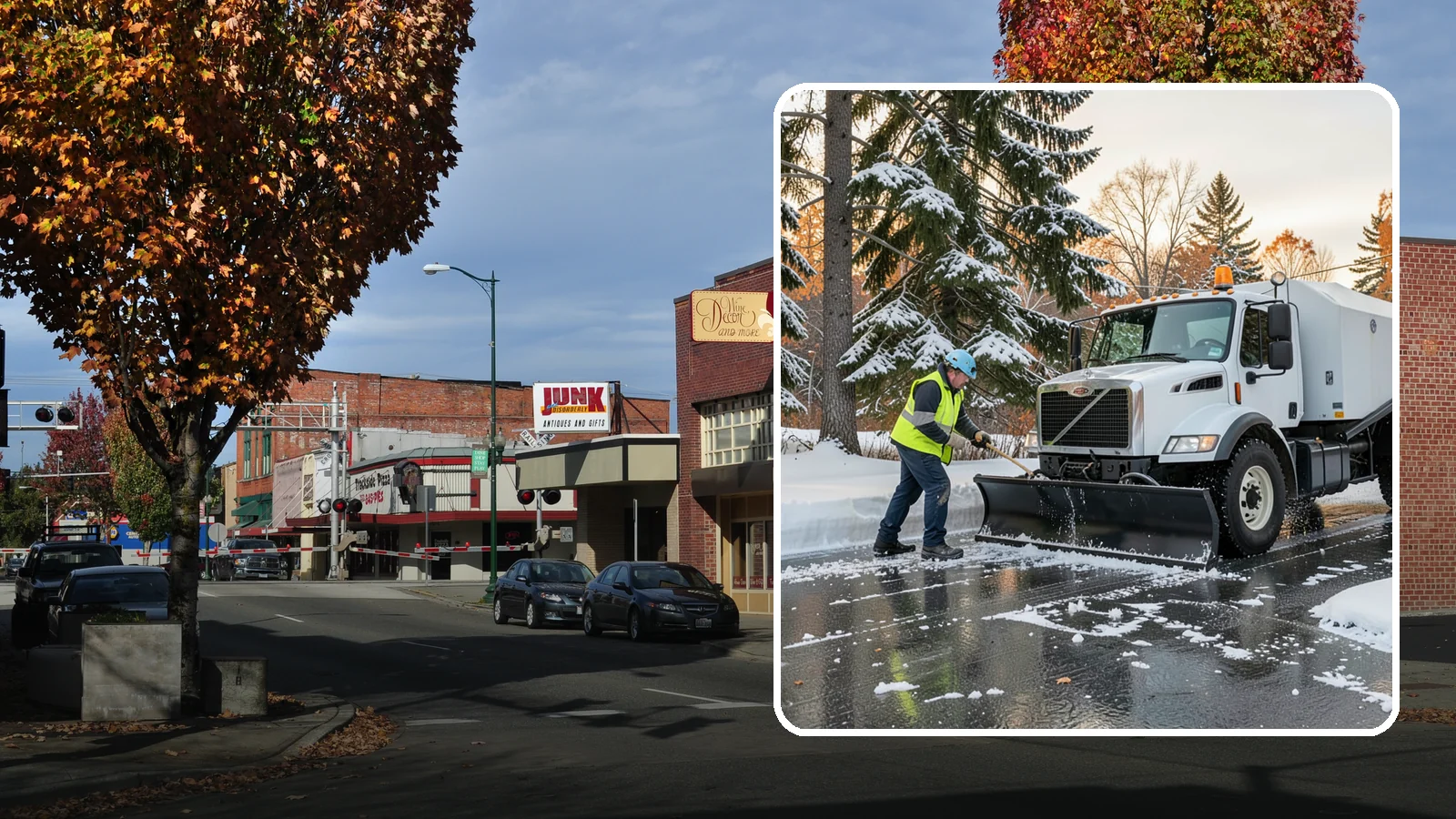
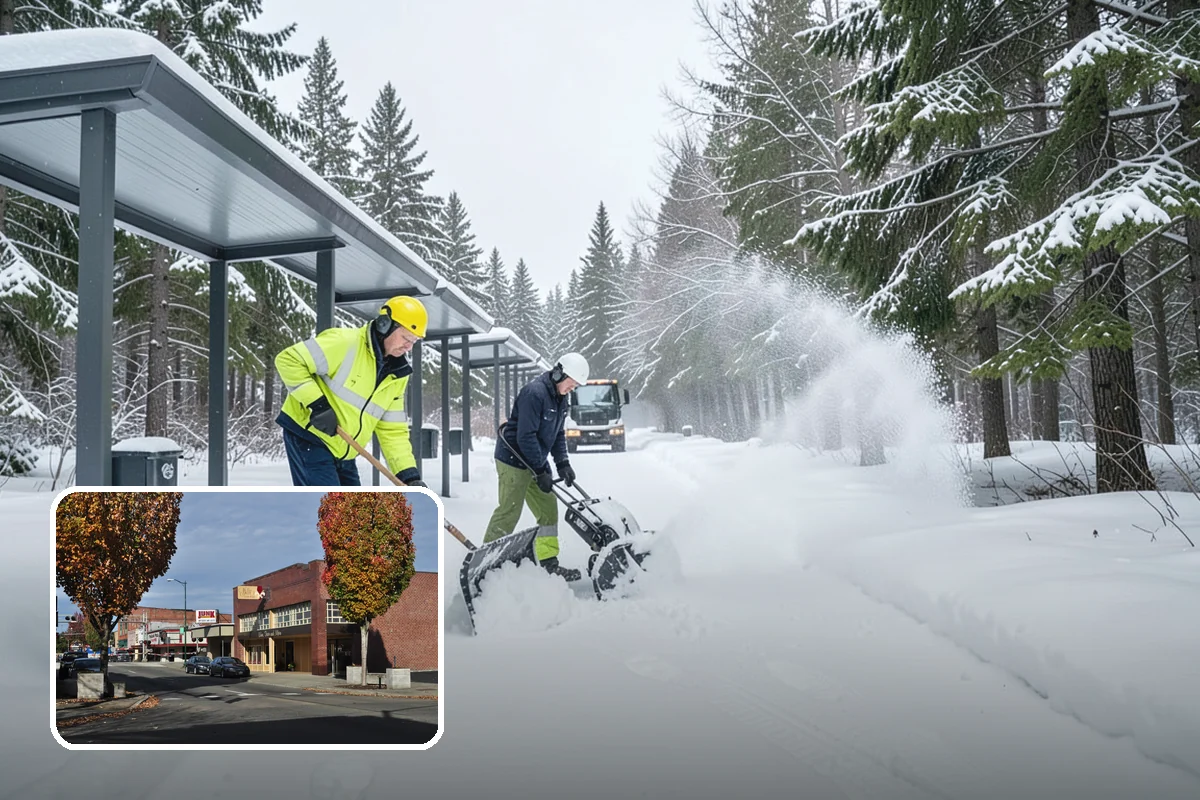
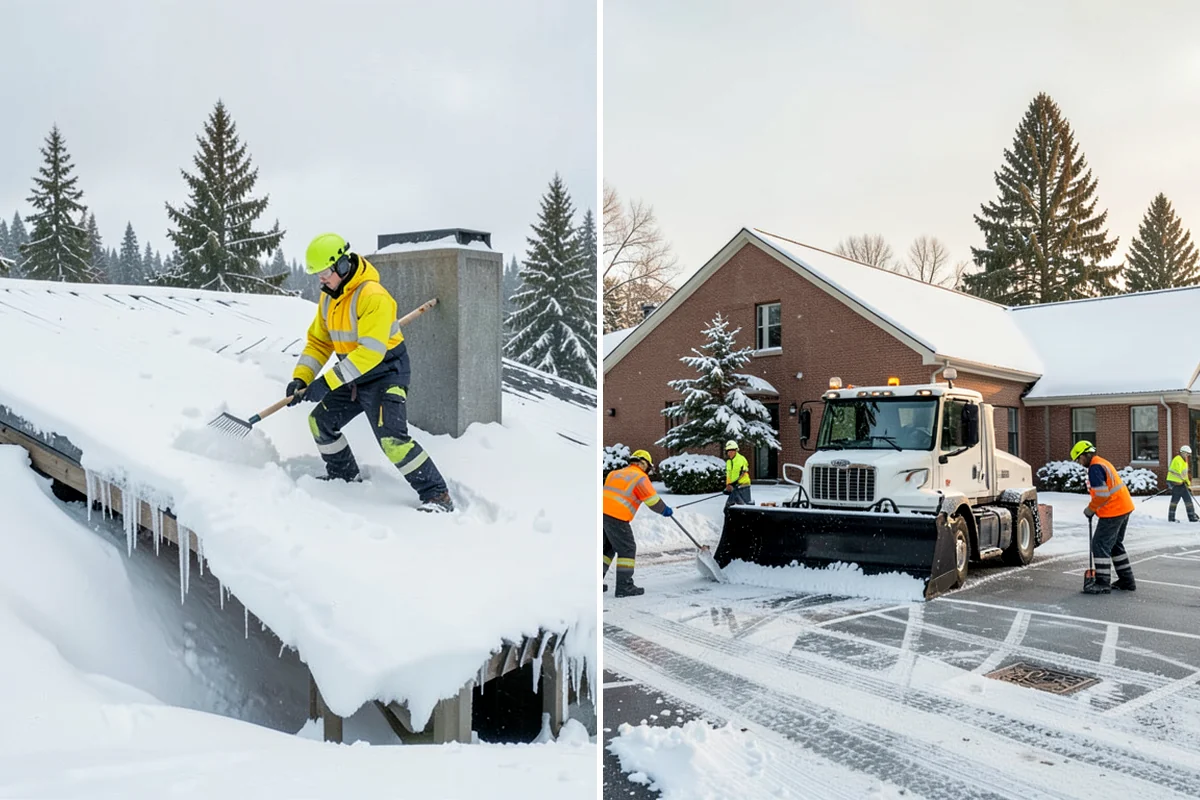
Ice Hazard Response in Puyallup is for the moments when a surface turns slick and people need to walk or drive on it. Washington Snow Removal sends a truck or crew to treat the ice, clear what can be cleared and spread material where it counts.
Puyallup sees 29 freezing nights between October and April, so ice can form even in a season with little snow. We are licensed, bonded and insured. Call 206-809-9669 to request a dispatch from our Bothell yard.
Sources: NOAA and National Weather Service records for Puyallup, 2005–2026.
Puyallup averages 7.8 inches of snow a season and 2.4 days a year with 1 inch or more. That is not much snow. But the city has 29 freezing nights from October to April, and it has had 3.38 Winter Weather Advisories a year. Thin snow, a refreeze or frozen runoff can leave a lot or walkway slick with little warning.
Bigger storms do happen. A spotter measured 10 inches 2 ESE of Puyallup on Feb 14, 2021, and 8.1 inches 2 NNE of Puyallup on Feb 6, 2017. Since 2005 there have been 11 winter storm and heavy snow reports. After a storm like that, packed snow turns to ice and needs more than a plow pass.
A dispatch can include:
Puyallup is 69 minutes from our Bothell yard. The trip charge for Puyallup (zone C) is $350 per dispatch, and each dispatch has a 2-hour minimum.

Billed by the hour for the crew and equipment on site, plus materials.
| Plow truck with driver (Ram 3500) | $250 / hour |
| Plow and spreader truck with driver (Ram 5500) | $325 / hour |
| Compact track loader with operator (Kubota SCL1000) | $175 / hour |
| Crew member (shoveling, sidewalks, hand work) | $110 / person-hour |
| Ice melt, bagged | $45 / 50 lb bag |
| Bulk salt, applied | $300 / ton |
| Trip charge for Puyallup (zone C) | $350 / dispatch |
Prices approved Oct 2026.
Rapid targeting of dangerous ice as it is reported; Treats the hazard and identifies why it formed; Reduces slip-and-fall injuries and liability exposure; Covers hidden trouble spots like shaded and runoff areas