Keeping You Moving. Beyond Expectations.
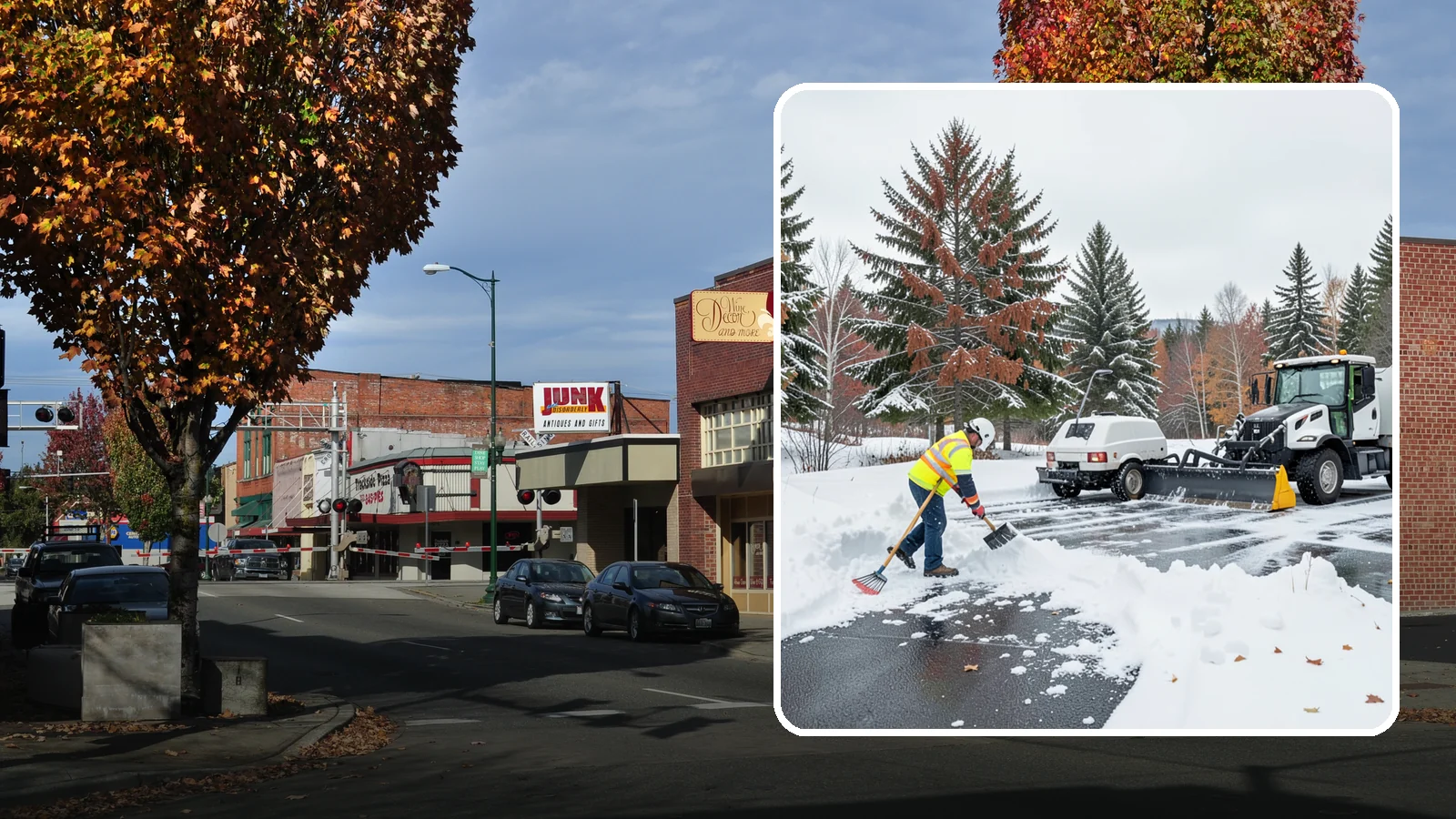
We remove and haul away snow from office parking and approaches so employees and visitors keep full, safe access.
Office Snow Hauling in Puyallup means moving piled snow off your lot after plowing, so parking stalls, entrances and walkways stay usable. It suits office parks and buildings where there is nowhere left to push the snow.
Washington Snow Removal is licensed, bonded and insured. We dispatch from our Bothell yard, 69 minutes away. Puyallup has 164 offices and office buildings inside city limits, and many have tight lots. Call 206-809-9669 to talk through your site.
Sources: NOAA and National Weather Service records for Puyallup, 2005–2026.
Puyallup does not get much snow. The average is 7.8 in per season, and only 2.4 days a year bring 1 in or more. Plow events average 2.4 a season. That means most office lots never need hauling. When a heavy event hits, though, piles block stalls and drive lanes fast.
Recent events in the Puyallup area include Heavy Snow on Dec 26, 2021, Feb 22, 2018 and Feb 8, 2014, plus Winter Weather on Nov 22, 2010. Winter Storm Warnings average 0.57 a year, so these storms are rare and often catch building managers unprepared.
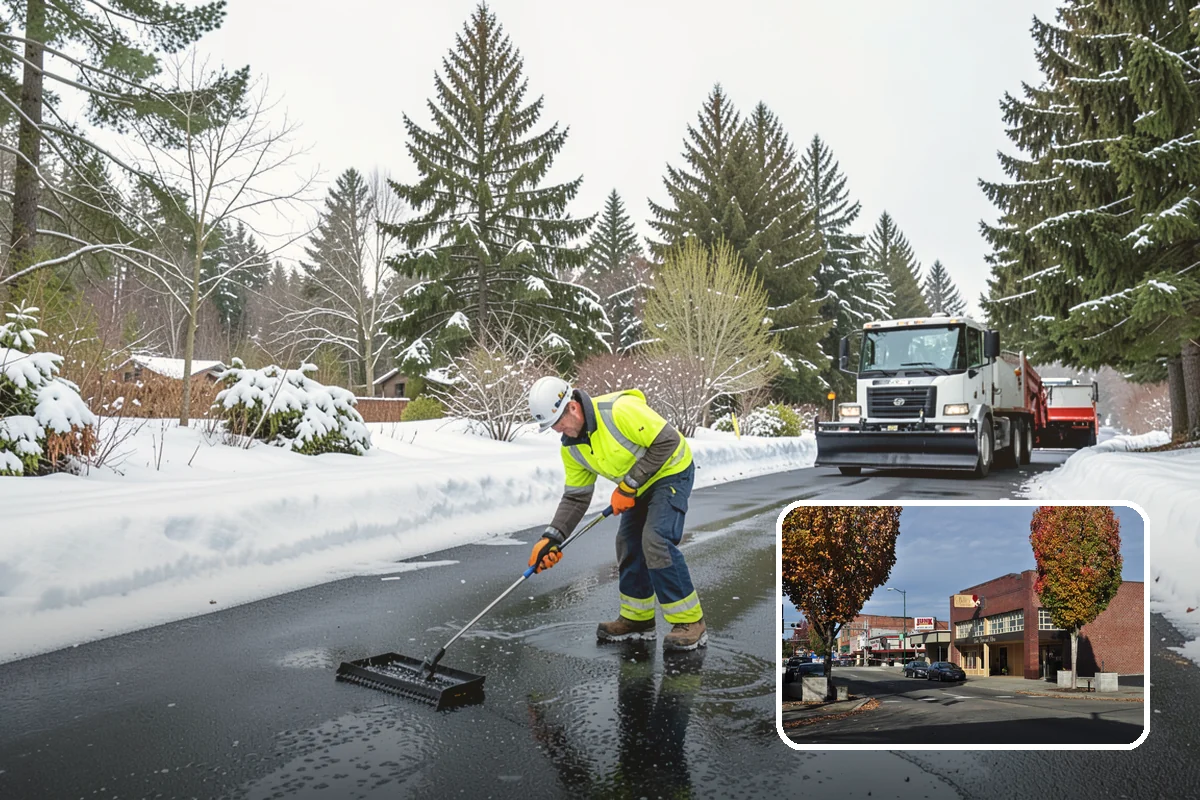
Ice is the more regular problem. There are 29 freezing nights from Oct to Apr and about 4.07 light-snow days a year that need deicing. Melt from hauled-off piles can refreeze on a lot, so we clear the area after the pile is gone.
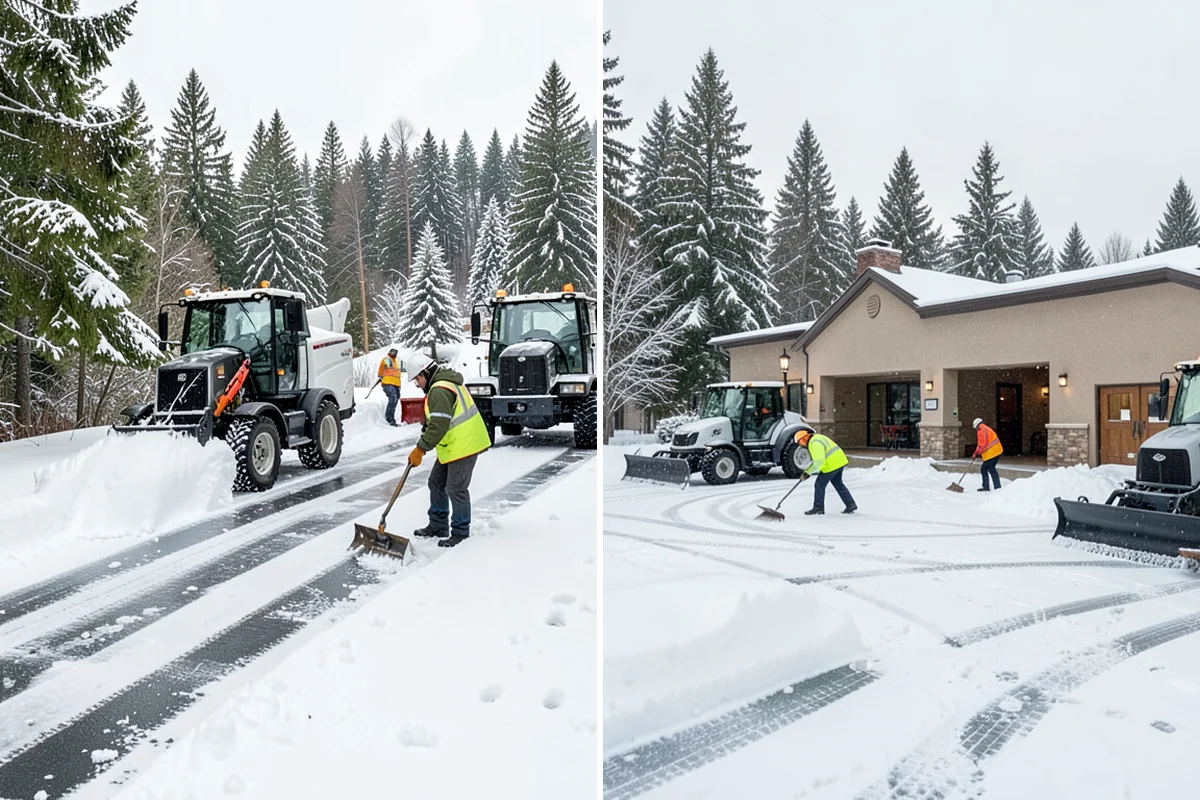
A typical hauling job at an office may involve:
There is a 2-hour minimum per dispatch.

Billed by the hour for the crew and equipment on site, plus materials.
| Plow and spreader truck with driver (Ram 5500) | $325 / hour |
| Compact track loader with operator (Kubota SCL1000) | $175 / hour |
| Crew member (shoveling, sidewalks, hand work) | $110 / person-hour |
| Trip charge for Puyallup (zone C) | $350 / dispatch |
Prices approved Oct 2026.
OpenStreetMap lists 164 offices and office buildings inside Puyallup city limits.
Source: OpenStreetMap contributors, Oct 2026. Named sites are examples of local facilities, not customers.
Restores full parking capacity for the workday; Clears narrowed lanes that cause arrival congestion; Removes hazards before employees and visitors arrive; Coordinates with facilities and building security