What a Snow Load Assessment Involves in Puyallup
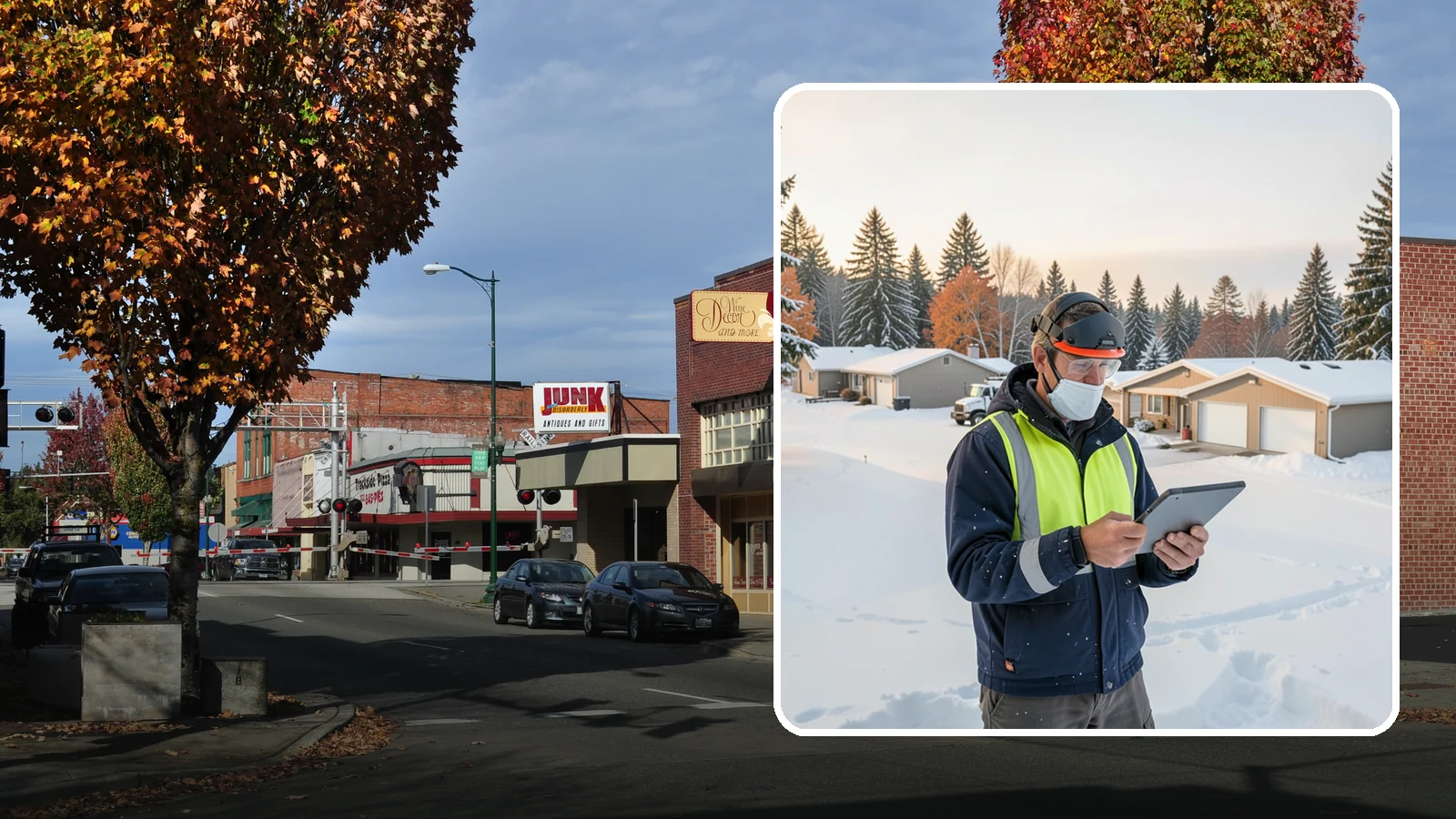
An assessment starts with a visit to the property. We look at the roof, the snow depth on it, and any ice that has built up along edges and drains. We also note areas where snow has drifted or slid and piled up.
Puyallup does not see snow often. Heavy-snow days of 4 in or more average just 0.4 a year, and days with 1 in or more average 2.4. Because storms are rare, many buildings go years without carrying a real load. That makes it easy to overlook a roof when a big one arrives.
Recent reports show how fast it can add up. A spotter measured 10 in near Puyallup on Feb 14, 2021. Another measured 9.1 in near Midland on Feb 9, 2019. Freezing nights also matter. Puyallup averages 29 from October to April, so melted snow can refreeze and add weight and ice.
During a visit we typically check:
- Snow and ice depth on the roof
- Ice at eaves, gutters and drains
- Drifts and slide-off zones
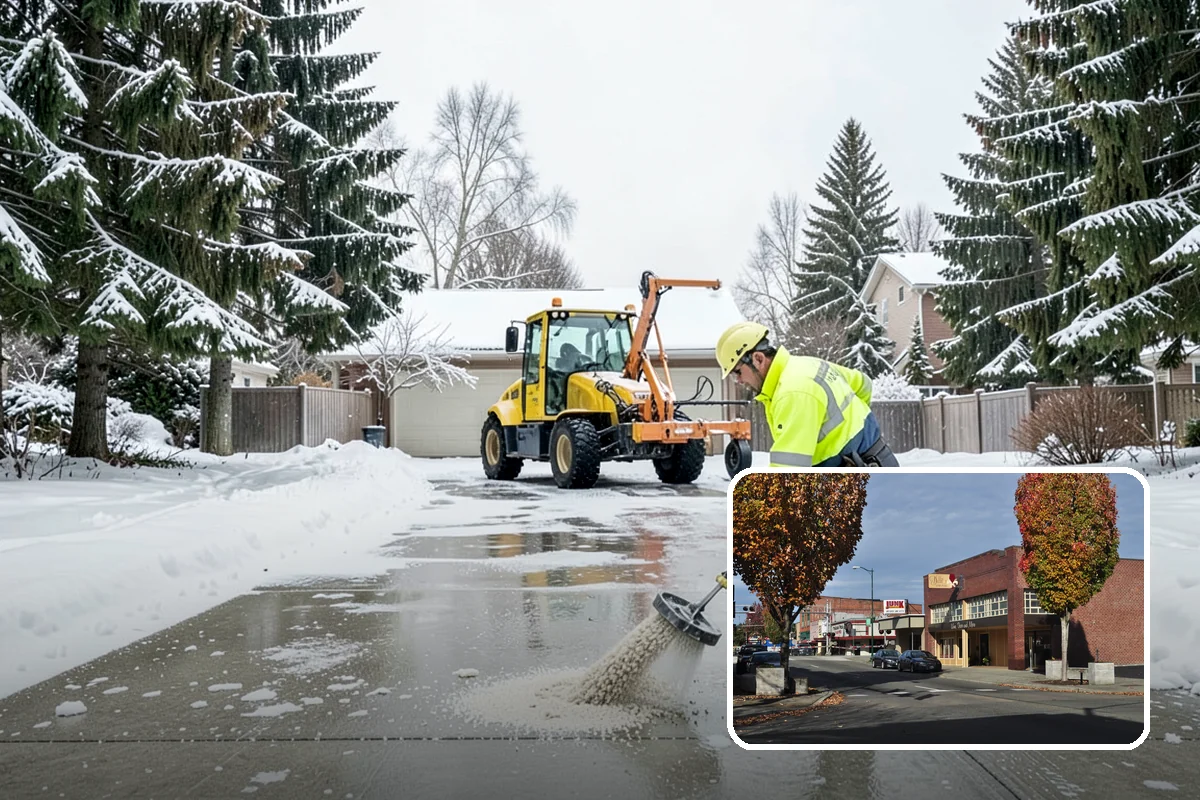
- Walkways and entries below the roof edge
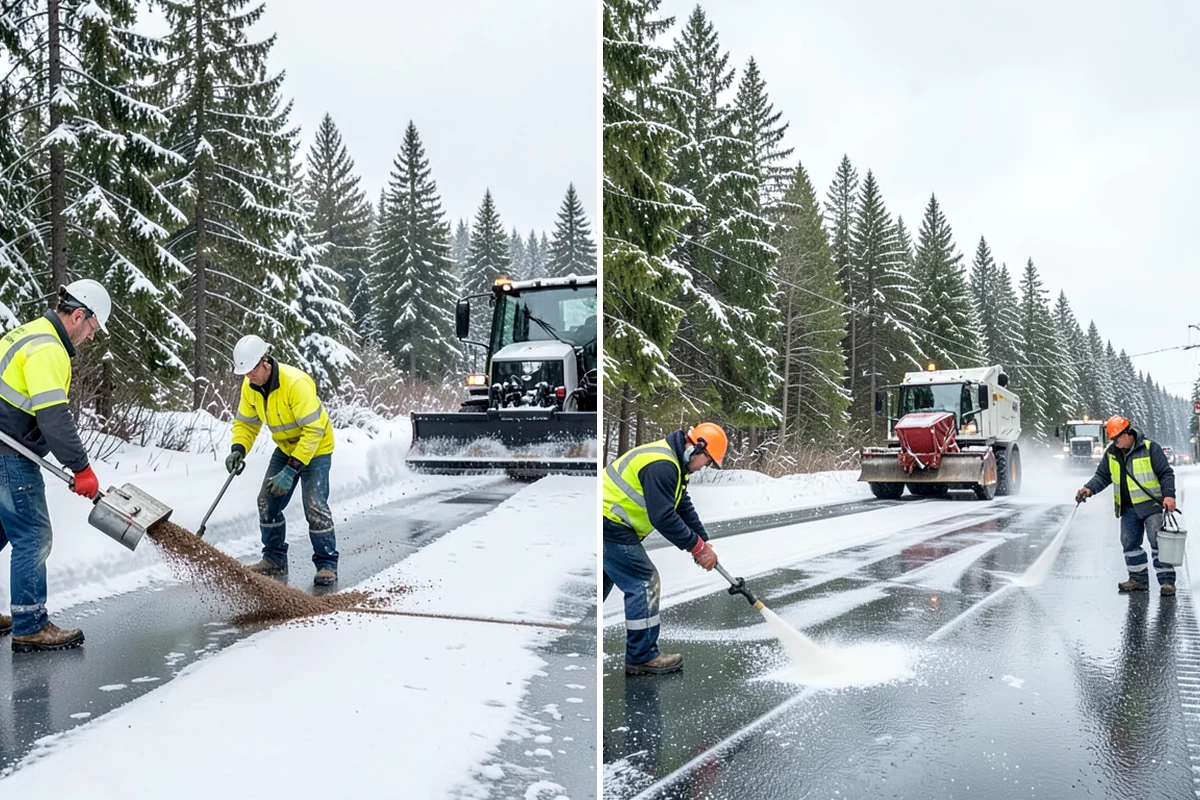
Puyallup is 69 minutes from our Bothell yard. The trip charge for Puyallup (zone C) is $350 per dispatch. Hand work such as shoveling is $110 per person-hour. Call 206-809-9669 to schedule.