Keeping You Moving. Beyond Expectations.
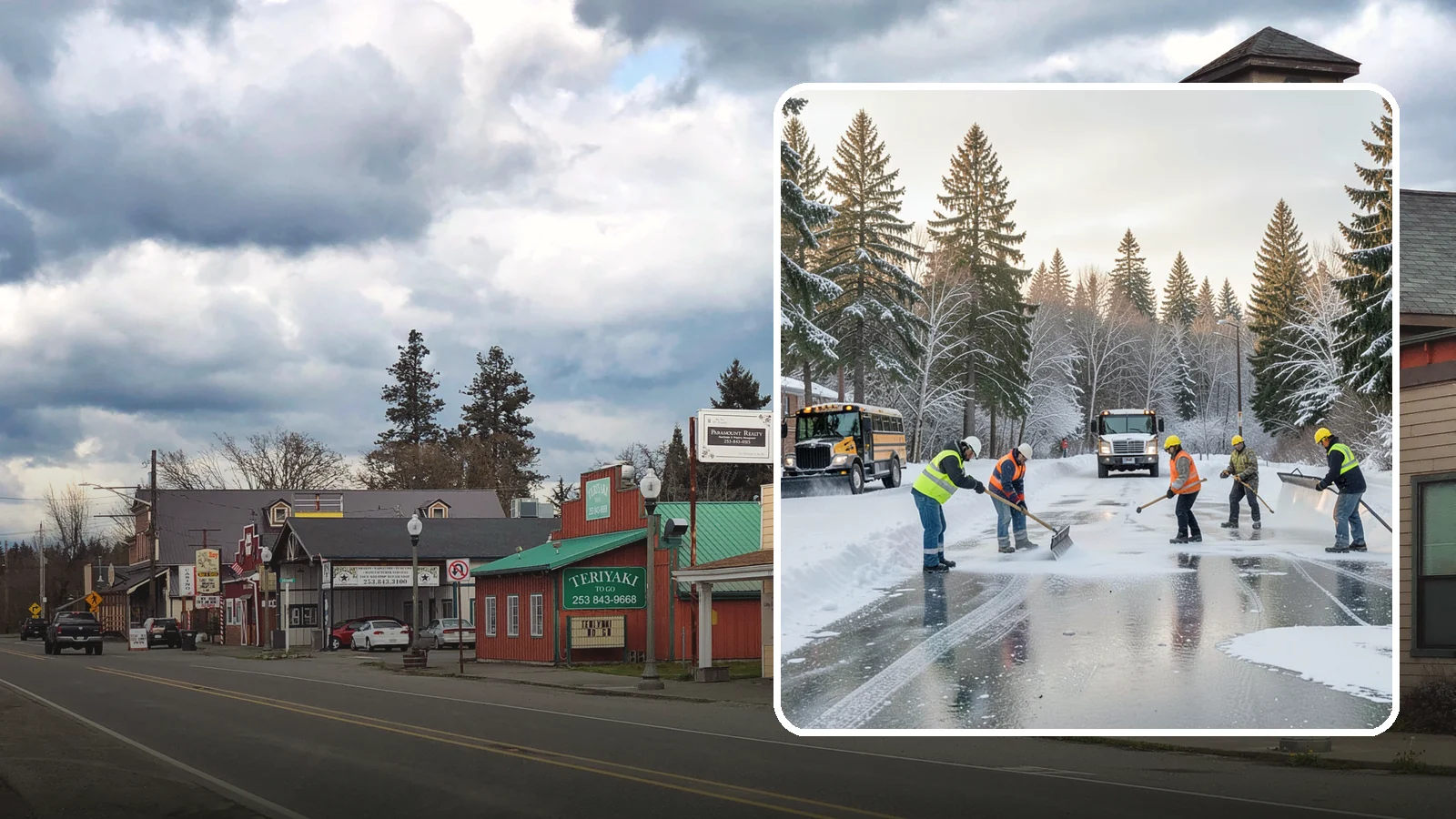
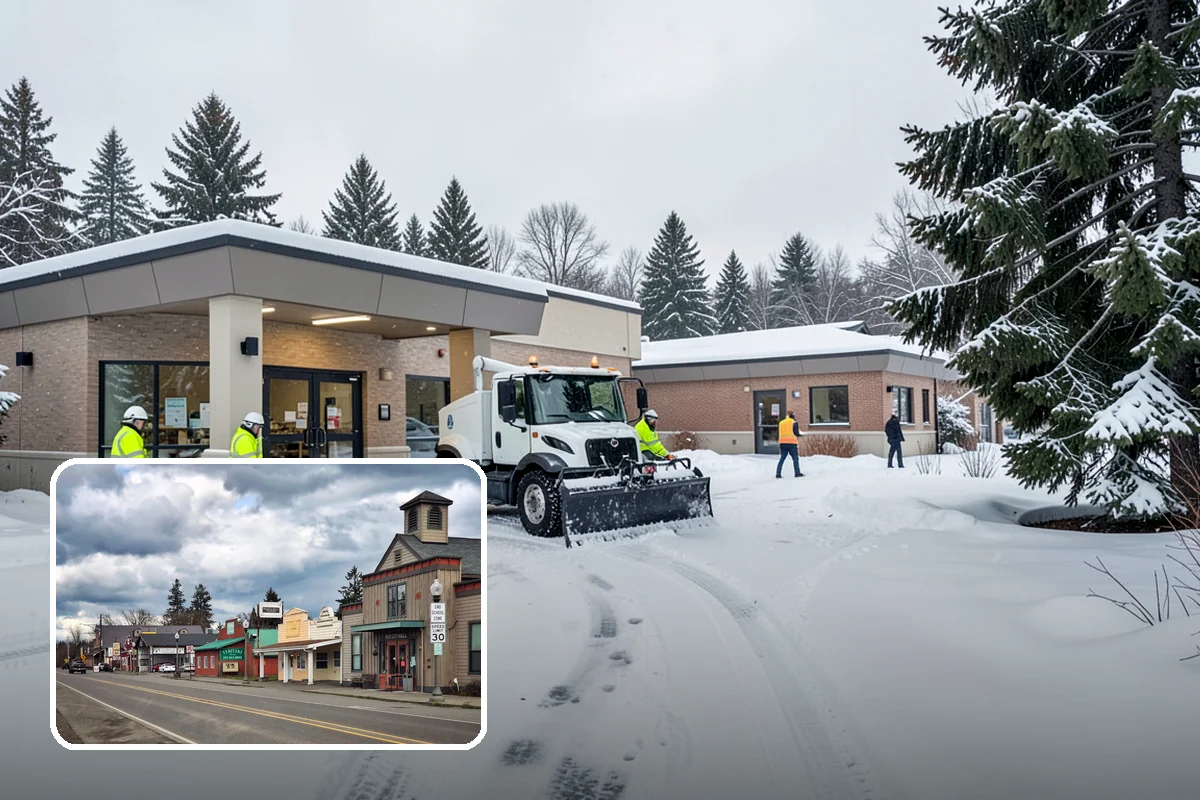
Deicing for schools that keeps bus loops, crosswalks, and student entrances safe before the first children arrive on a frozen morning.
Roy, in Pierce County, gets about 6.2 in of snow per season, and only 1.8 days a year bring 1 in or more. Freezing nights are far more common: 42 between October and April. For a school, that means frost and refrozen melt on walkways, steps and bus loading areas can matter more than snowfall.
Washington Snow Removal provides school deicing in Roy. We are based in Bothell, licensed, bonded and insured. Call 206-809-9669 to talk through your site and schedule.
Sources: NOAA and National Weather Service records for Roy, 2005–2026.
OpenStreetMap lists one school inside Roy city limits, Roy Elementary School. A site like that has entrances, sidewalks, ramps, parking areas and drop-off lanes that all need to be safe before students arrive.
Roy's pattern is mostly cold nights, not deep snow. Only 1.1 days a year stay below freezing all day, and just 2 ice storm reports have been logged since 2005. Recent events include Winter Weather on Dec 1, 2022, Heavy Snow on Feb 5, 2017, and Winter Weather on Nov 22, 2010. So deicing is often about thin ice and frost on a cold morning.
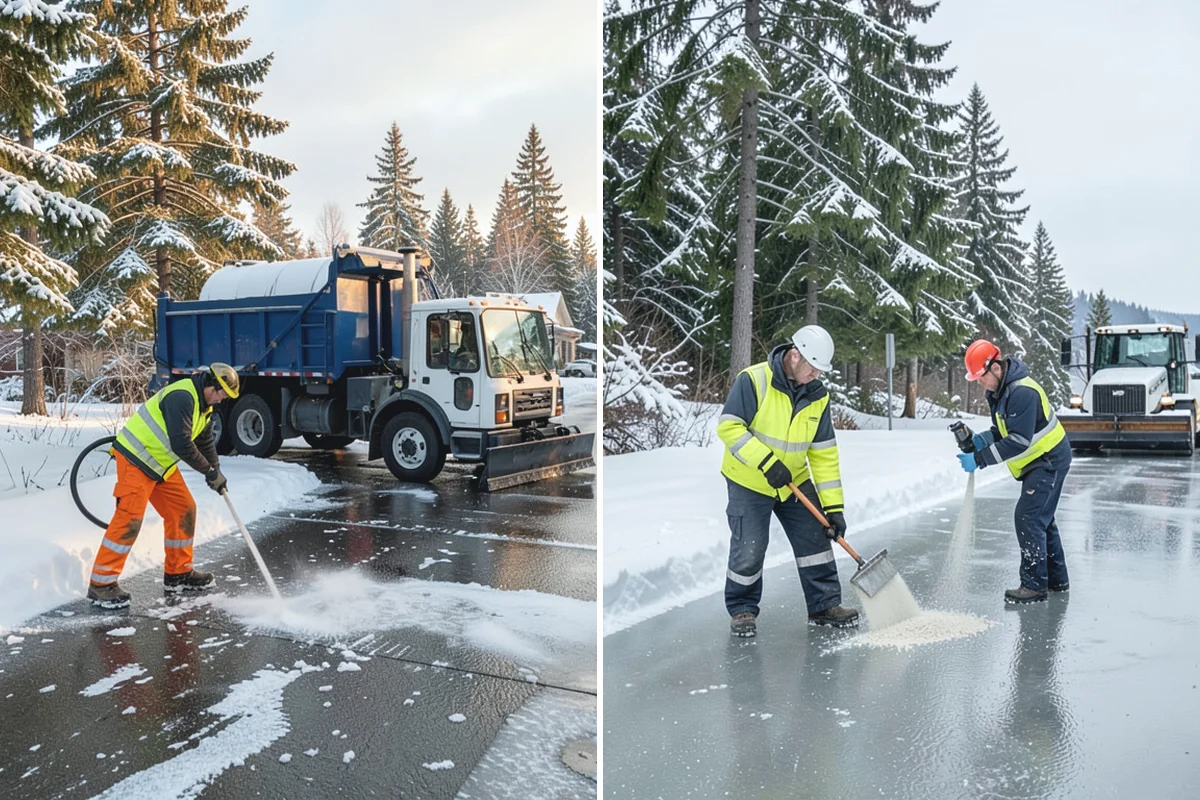
Typical work at a school property includes:
Roy is 104 minutes from our Bothell yard, and it falls in our zone D. Pricing is: trip charge $525 per dispatch, truck with driver (Ram 5500) $325 per hour, crew member $110 per person-hour, bulk salt applied $300 per ton, and bagged ice melt $45 per 50 lb bag. Each dispatch has a 2-hour minimum.

Billed by the hour for the crew and equipment on site, plus materials.
| Plow and spreader truck with driver (Ram 5500) | $325 / hour |
| Ice melt, bagged | $45 / 50 lb bag |
| Bulk salt, applied | $300 / ton |
| Crew member (shoveling, sidewalks, hand work) | $110 / person-hour |
| Trip charge for Roy (zone D) | $525 / dispatch |
Prices approved Oct 2026.
OpenStreetMap lists 1 schools and colleges inside Roy city limits.
Source: OpenStreetMap contributors, Oct 2026. Named sites are examples of local facilities, not customers.
Protects students at busy bus loops and crosswalks; Clears entrances before the tight morning arrival window; Treats shaded, covered walkways where ice persists; Supplies logs that support district safety records; Uses deicers appropriate for high child foot traffic