Snow Pile Management in Sammamish: What the Work Involves
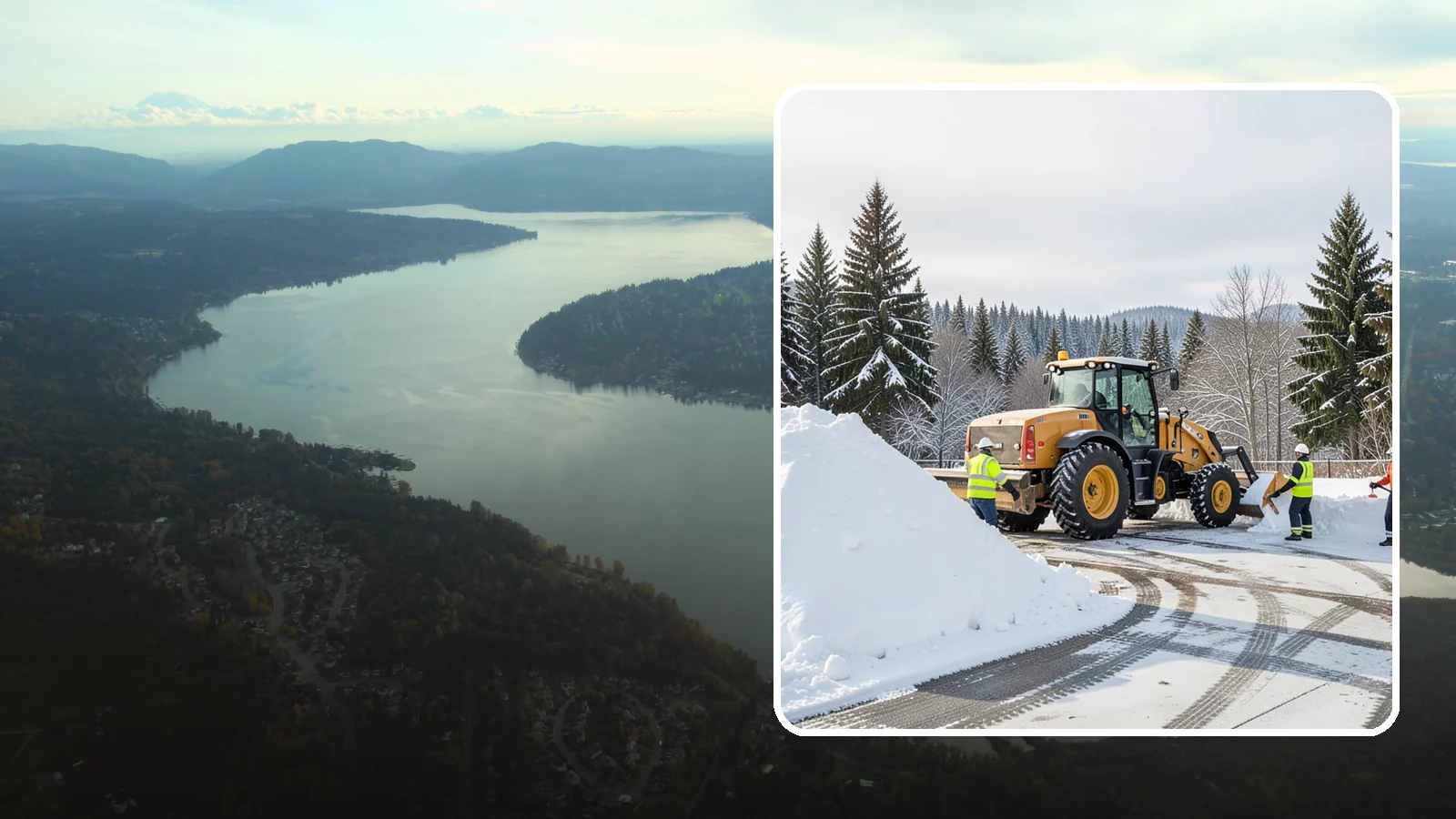
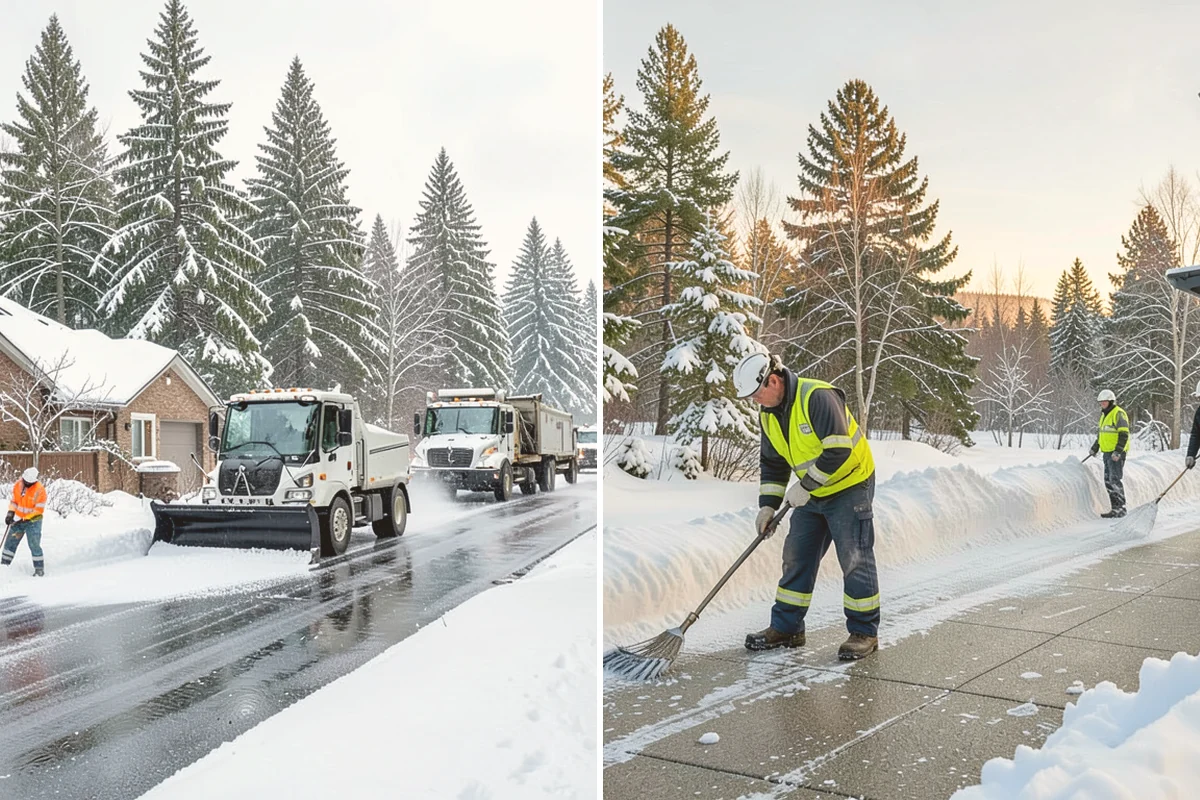
At a Sammamish property, pile management starts after the first plowing. Plow trucks push snow to the edges of the lot. A compact track loader then stacks and moves those piles so they stay clear of parking stalls, entrances, fire lanes and storm drains.
The local pattern shapes the job. Sammamish sees only 2.7 days a year with 1 in or more of snow, and 1.05 Winter Storm Warnings a year. Most seasons are light. But the biggest day since 2005 brought 9.7 in, and the Dec 26–28, 2021 storm dropped 5.4 in on its biggest day. Piles from a storm like that can stay put for a while.
Then there is the freeze. Sammamish has 34 freezing nights from Oct to Apr. Melt from a pile can refreeze overnight and turn a clear lot into a sheet of ice. Piles placed away from walkways and drains help limit that. There are also 4.52 light-snow days a year that need deicing, so pile placement and ice control often go together.
Our rates for this work:
- Compact track loader with operator (Kubota SCL1000): $175 / hour
- Plow truck with driver (Ram 3500): $250 / hour
- Plow and spreader truck with driver (Ram 5500): $325 / hour
- Trip charge for Sammamish (zone B): $275 / dispatch
Each dispatch has a 2-hour minimum.