Keeping You Moving. Beyond Expectations.
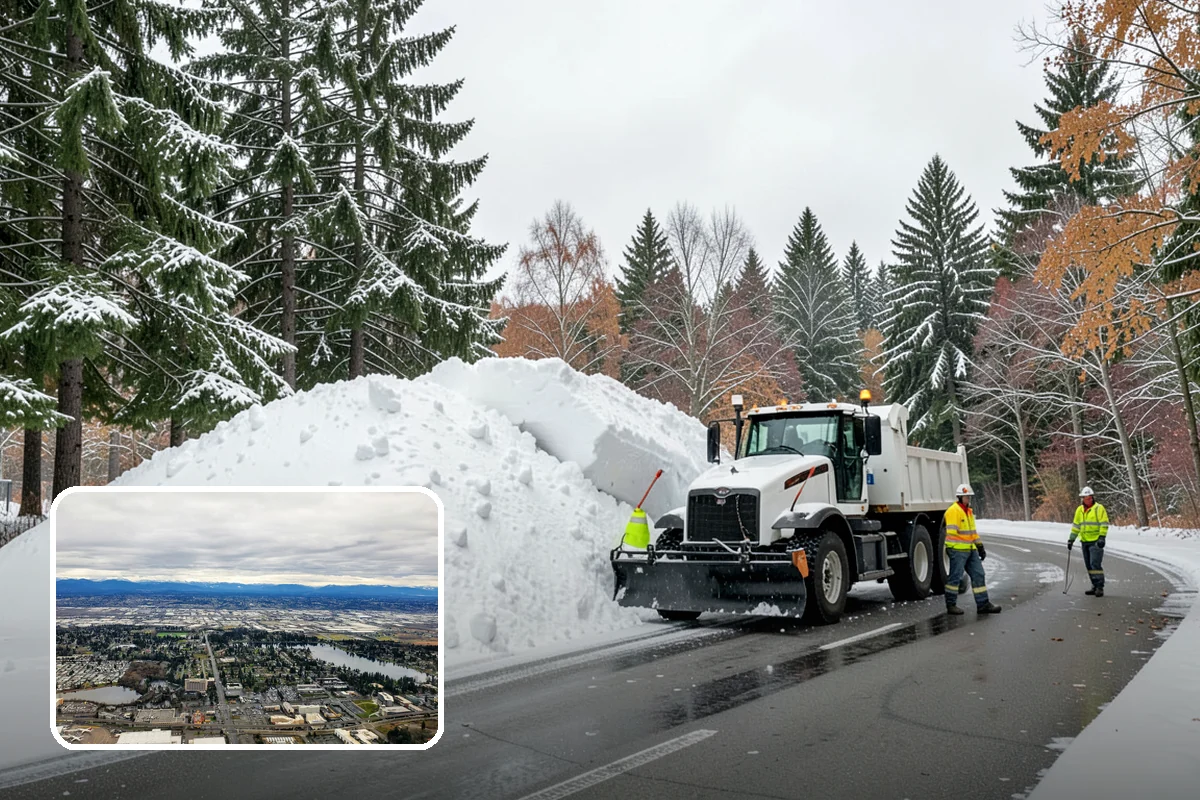
We keep pavement safe during arctic blasts when frigid outflow winds drop temperatures and freeze everything solid.
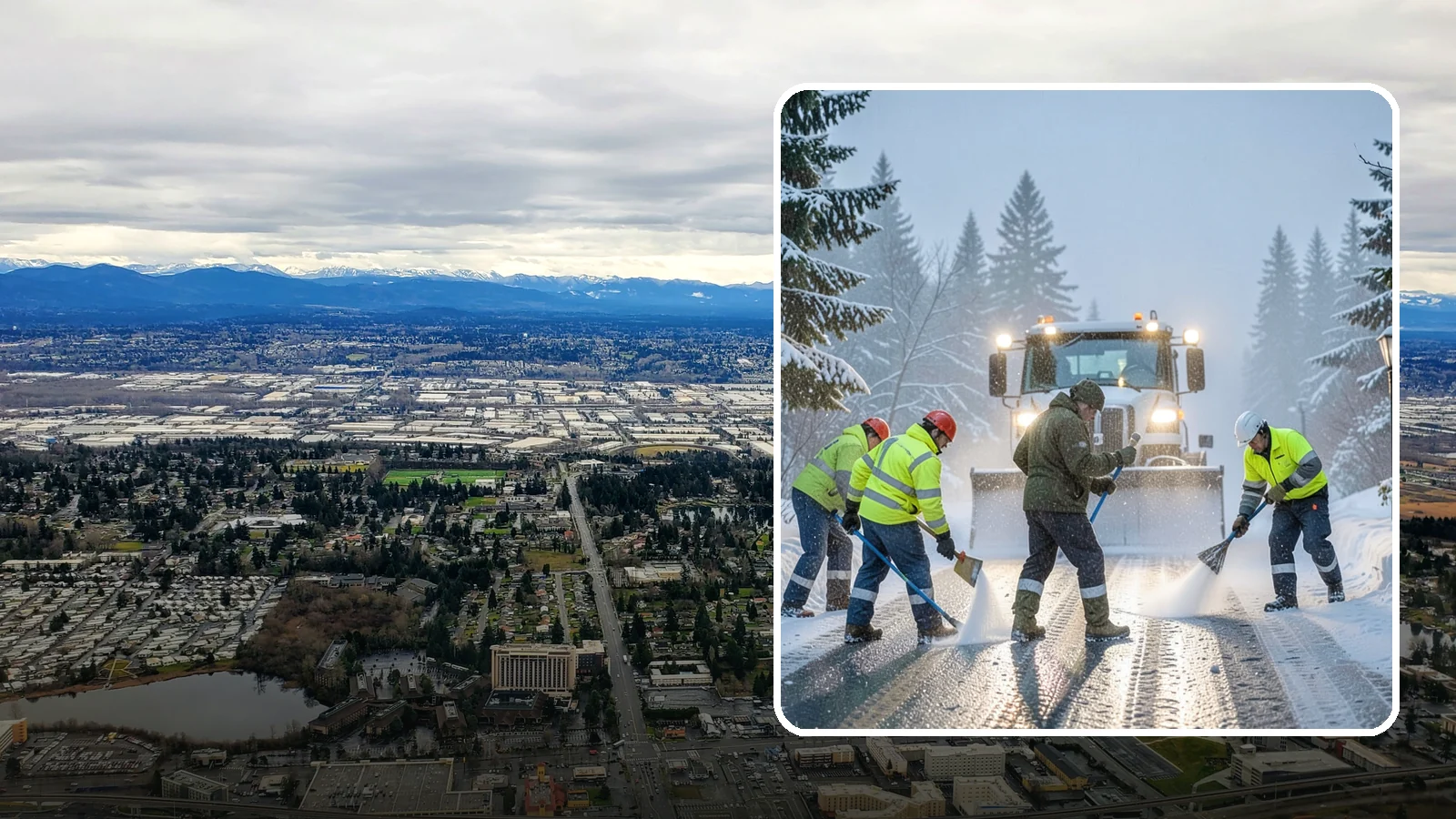
Washington Snow Removal provides Arctic Blast Response in SeaTac, King County. We are a licensed, bonded and insured company based in Bothell, and SeaTac is 48 minutes from our yard. Call 206-809-9669 to arrange a dispatch.
SeaTac does not see much snow in a typical year. The average is 5.9 in per season, with 1.7 days a year at 1 in or more. But the record is 20.0 in in a single day at Seattle Tacoma Ap in 1950, and the largest storm since 2005 reached 17.3 in. Arctic Blast Response is for the cold snaps that break the usual pattern.
Sources: NOAA and National Weather Service records for SeaTac, 2005–2026.
An arctic blast in SeaTac usually means a short, hard hit. Snow is infrequent, so few properties keep their own equipment. The area logs 28 freezing nights from October to April and 3.29 Winter Weather Advisories a year, so ice is a regular concern even when little snow falls.
Recent storms show the range. Feb 12–14, 2021 brought 12.2 in in total, with 8.8 in on the biggest day. Dec 26–30, 2021 brought 9.0 in over several days. Feb 5–6, 2017 brought 7.2 in, and Jan 18–19, 2012 brought 7.0 in, with 6.7 in falling in one day.
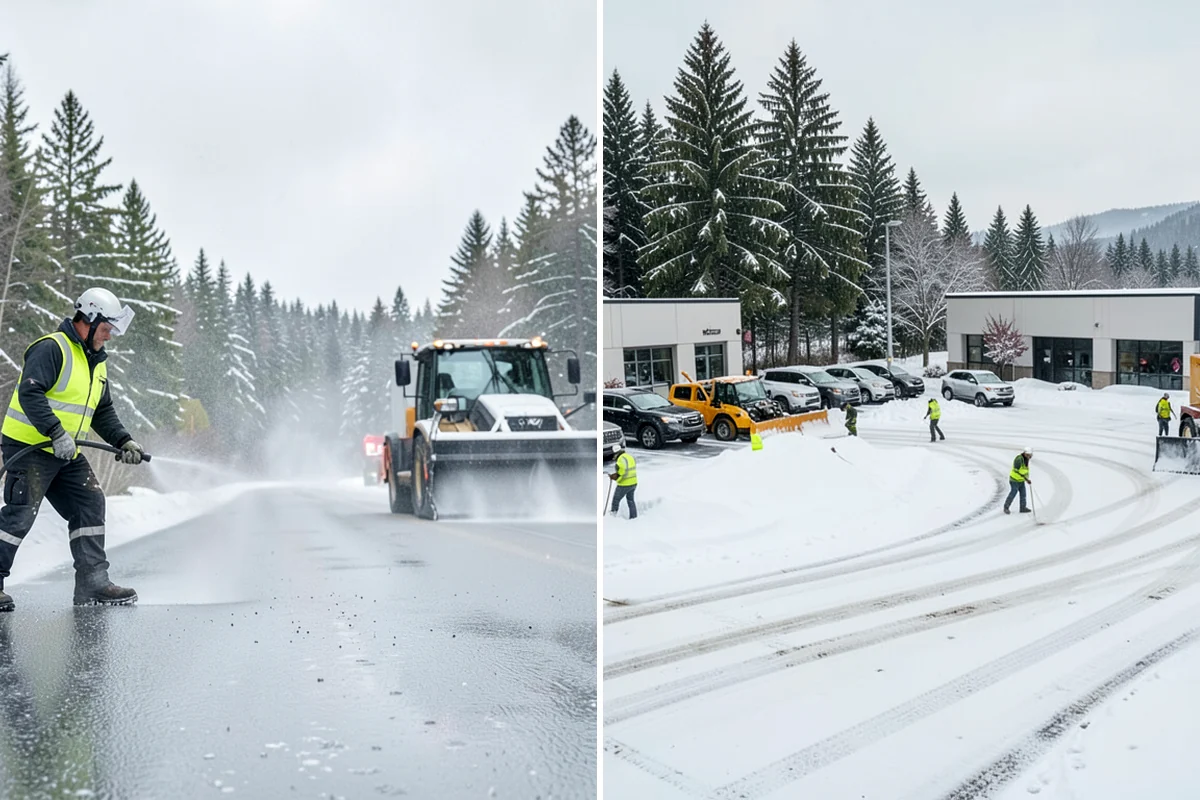
Depending on the site, a dispatch can include:
SeaTac is trip zone B, with a $275 / dispatch trip charge. Each dispatch has a 2-hour minimum.

Billed by the hour for the crew and equipment on site, plus materials.
| Plow truck with driver (Ram 3500) | $250 / hour |
| Plow and spreader truck with driver (Ram 5500) | $325 / hour |
| Compact track loader with operator (Kubota SCL1000) | $175 / hour |
| Crew member (shoveling, sidewalks, hand work) | $110 / person-hour |
| Ice melt, bagged | $45 / 50 lb bag |
| Bulk salt, applied | $300 / ton |
| Trip charge for SeaTac (zone B) | $275 / dispatch |
Prices approved Oct 2026.
Treatment matched to dry, windy cold that refreezes surfaces quickly; Frequent re-checks because outflow gusts strip and refreeze pavement; Attention to wind-exposed lots and corners that ice first; Reliable footing during the sharp temperature drops these events bring