Keeping You Moving. Beyond Expectations.

Tacoma Emergency Access Clearing
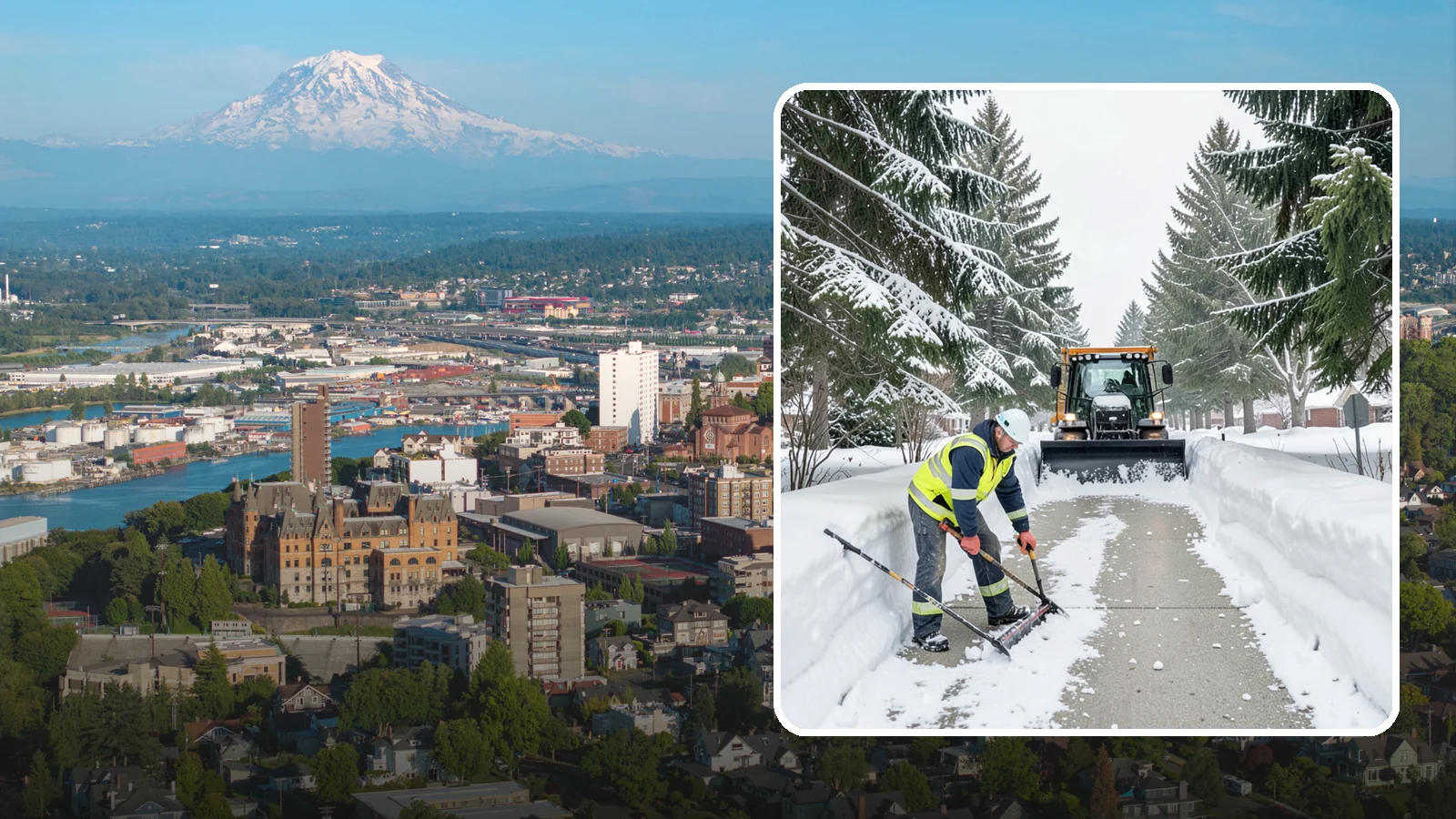
We rapidly clear the critical routes people need to enter and exit your property safely during a snow emergency.
Emergency access clearing in Tacoma means opening a path so people, deliveries and emergency vehicles can get in and out. That might be a driveway, a fire lane, a loading dock or the entrance to a clinic. Washington Snow Removal is licensed, bonded and insured, and we dispatch from our yard in Bothell.
Tacoma does not see much snow. It averages 5.6 in per season. But when it comes, it can close access fast. Call 206-809-9669 and we will talk through what needs to be opened first.
How hard Tacoma storms hit
Biggest storms in Tacoma since 2005
- Feb 12–15, 2021: 11.0 in total, 6.0 in on the biggest day
- Feb 8–12, 2019: 9.7 in total, 5.0 in on the biggest day
- Feb 5–7, 2017: 9.3 in total, 7.2 in on the biggest day
- Dec 26–28, 2021: 7.3 in total, 6.3 in on the biggest day
Sources: NOAA and National Weather Service records for Tacoma, 2005–2026.
Emergency Access Clearing in Tacoma: What the Work Involves
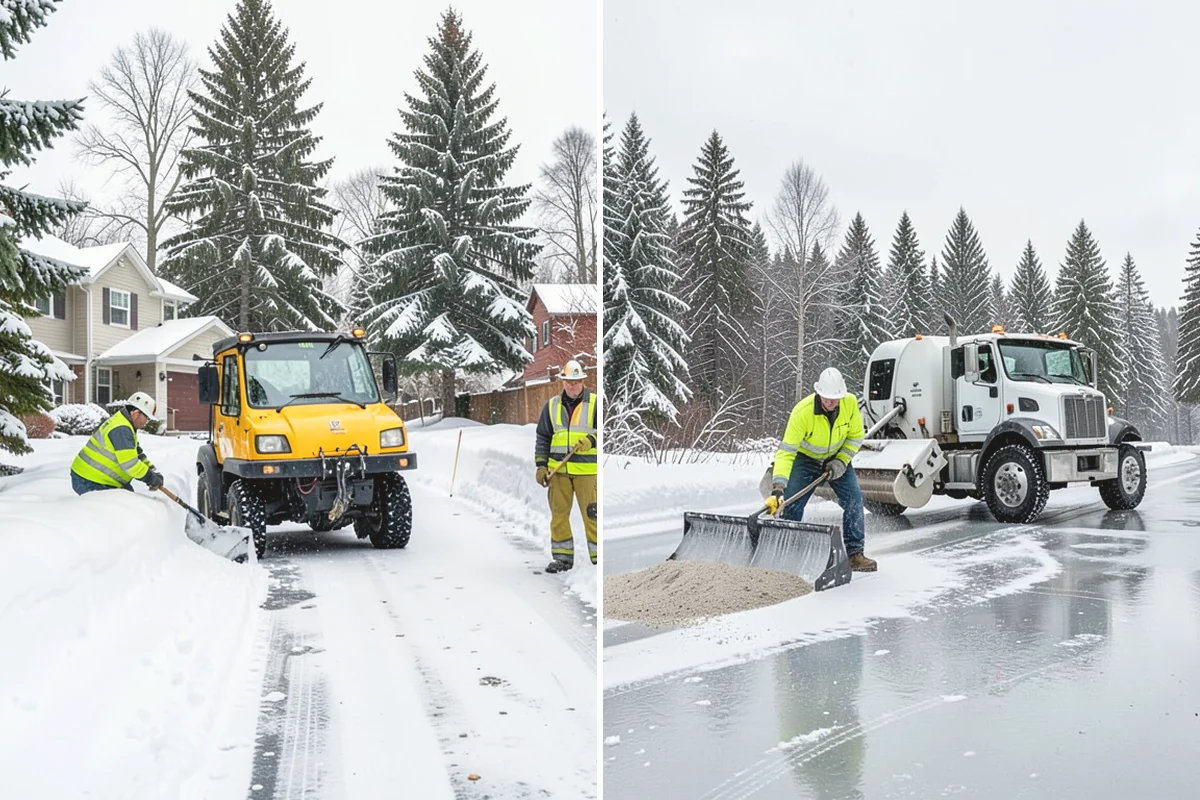
Emergency clearing is about priority, not polish. We open the routes that matter most: the main entrance, fire lanes, ambulance access and any path to a loading area. Wider lot clearing and sidewalk work come after that.
Tacoma averages only 1.6 days a year with 1 in or more of snow, and 0.38 heavy-snow days of 4 in or more. That means few properties own plow equipment, and a single storm can leave them stuck. The biggest day since 2005 brought 7.2 in. The Feb 12–15, 2021 storm left 11.0 in in total. The Feb 8–12, 2019 storm left 9.7 in.
Ice is part of the job too. Tacoma has 31 freezing nights from October to April, so cleared paths can refreeze. We can apply salt or ice melt once the snow is moved.
Equipment and rates depend on the site:
- Plow truck with driver (Ram 3500): $250 / hour
- Compact track loader with operator (Kubota SCL1000): $175 / hour
- Crew member for shoveling and hand work: $110 / person-hour
- Bulk salt, applied: $300 / ton
Tacoma is 73 minutes from our Bothell yard. Dispatches carry a $350 trip charge for Tacoma (zone C) and a 2-hour minimum.
Prices in Tacoma
Billed by the hour for the crew and equipment on site, plus materials.
| Plow truck with driver (Ram 3500) | $250 / hour |
| Plow and spreader truck with driver (Ram 5500) | $325 / hour |
| Compact track loader with operator (Kubota SCL1000) | $175 / hour |
| Crew member (shoveling, sidewalks, hand work) | $110 / person-hour |
| Ice melt, bagged | $45 / 50 lb bag |
| Bulk salt, applied | $300 / ton |
| Trip charge for Tacoma (zone C) | $350 / dispatch |
- 2-hour minimum per dispatch.
- Tacoma is 73 minutes from our Bothell yard.
Prices approved Oct 2026.
Service Area
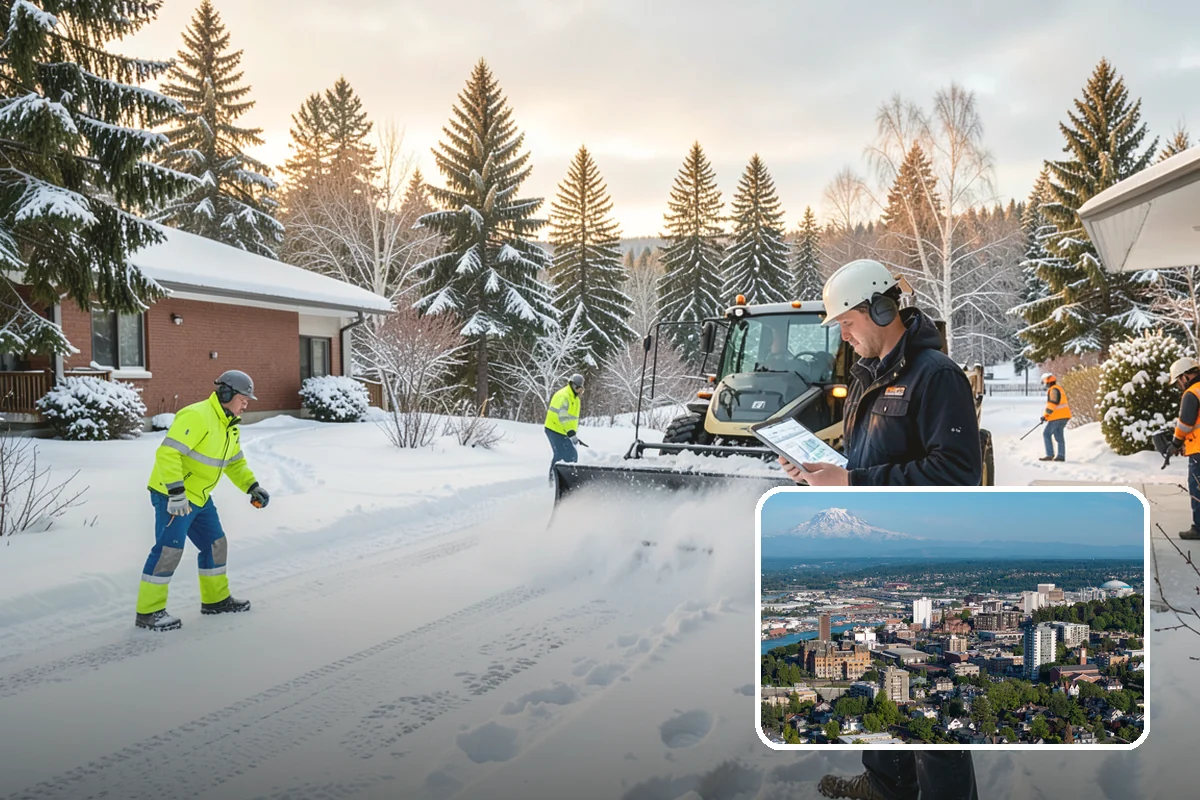
Tacoma
Benefits
Priority clearing of essential entry and exit routes; Maintained connection to public roadways; Support for safe evacuation if needed; Reduced risk from a snowed-in property; Fast focus on the highest-stakes areas first