Keeping You Moving. Beyond Expectations.

Tukwila Asphalt Driveway Deicing
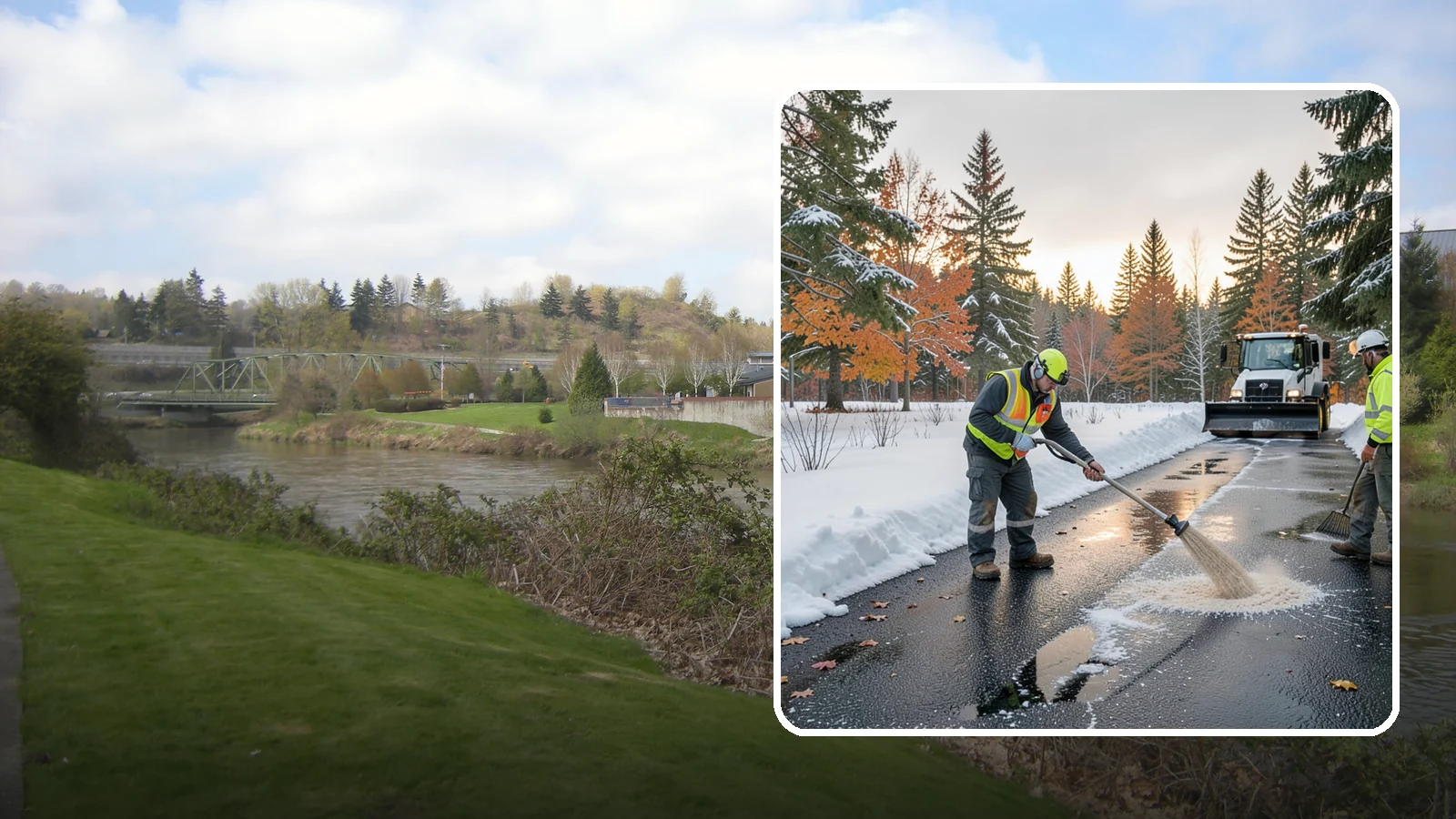
Targeted deicing of asphalt driveways to break the black ice that forms during Western Washington’s melt-and-refreeze nights.
Asphalt driveways in Tukwila rarely see deep snow. The average is 5.4 in per season, and only 1.8 days a year bring 1 in or more. Ice is the bigger problem. Freezing rain reports near Tukwila on Dec 23, 2022 and Jan 17, 2024 show how a thin glaze can form on dark pavement.
Washington Snow Removal, based in Bothell, WA, applies deicer to asphalt driveways in Tukwila. We are licensed, bonded and insured. A deicing application starts at $95 per visit. Call 206-809-9669 to set up service.
Ice and freezing nights in Tukwila
Ice storms and freezing rain near Tukwila
- Jan 17, 2024: Ice Storm; Freezing Rain reported at 1 ESE Bryn Mawr
- Dec 23, 2022: Ice Storm; Freezing Rain reported at 1 SSW Renton; Freezing Rain reported at 1 E Renton; Freezing Rain reported at Seatac; Freezing Rain reported at 1 E Seatac
Sources: NOAA and National Weather Service records for Tukwila, 2005–2026.
How Asphalt Driveway Deicing Works in Tukwila
Deicing on an asphalt driveway means putting down a de-icing product to stop ice from bonding to the surface or to loosen ice that has already formed. Asphalt is dark and can look merely wet when it is actually glazed. That makes freezing rain and refrozen meltwater a real slip and vehicle hazard on slopes and at the street apron.
Tukwila's pattern is mild, with sudden exceptions. Only 1.1 days a year stay below freezing, but there are 26 freezing nights from Oct to Apr. Meltwater and rain can refreeze overnight. The area has also logged 3 ice storm reports since 2005, and averages 3.29 Winter Weather Advisories a year. Seatac and Renton both reported freezing rain on Dec 23, 2022.
Here is what the work covers and what it costs:
- Deicing application: from $95 per visit.
- Two-car driveway including front walk and steps: from $300 per visit.
- Ice plan add-on: from $300 per season.
- Visits beyond a plan's limit: half the per-visit price.
Service starts at 1 inch of accumulation. Seasonal plans are priced from Tukwila's snow history, about 1.81 plow visits in an average season. Call 206-809-9669 to ask which option fits your driveway.
Residential snow removal prices in Tukwila
Starting prices for Tukwila. Final price depends on size, slope and snow depth. Tukwila is in travel zone B.
| Deicing application, per visit | from $95 |
| Ice plan add-on, per season | from $300 |
| Two-car driveway incl. front walk and steps, per visit | from $300 |
- Seasonal plans are priced from Tukwila's snow history: about 1.81 plow visits in an average season.
- Visits beyond a plan's limit are half the per-visit price.
- Service starts at 1 inch of accumulation.
Prices approved Oct 2026.
Service Area
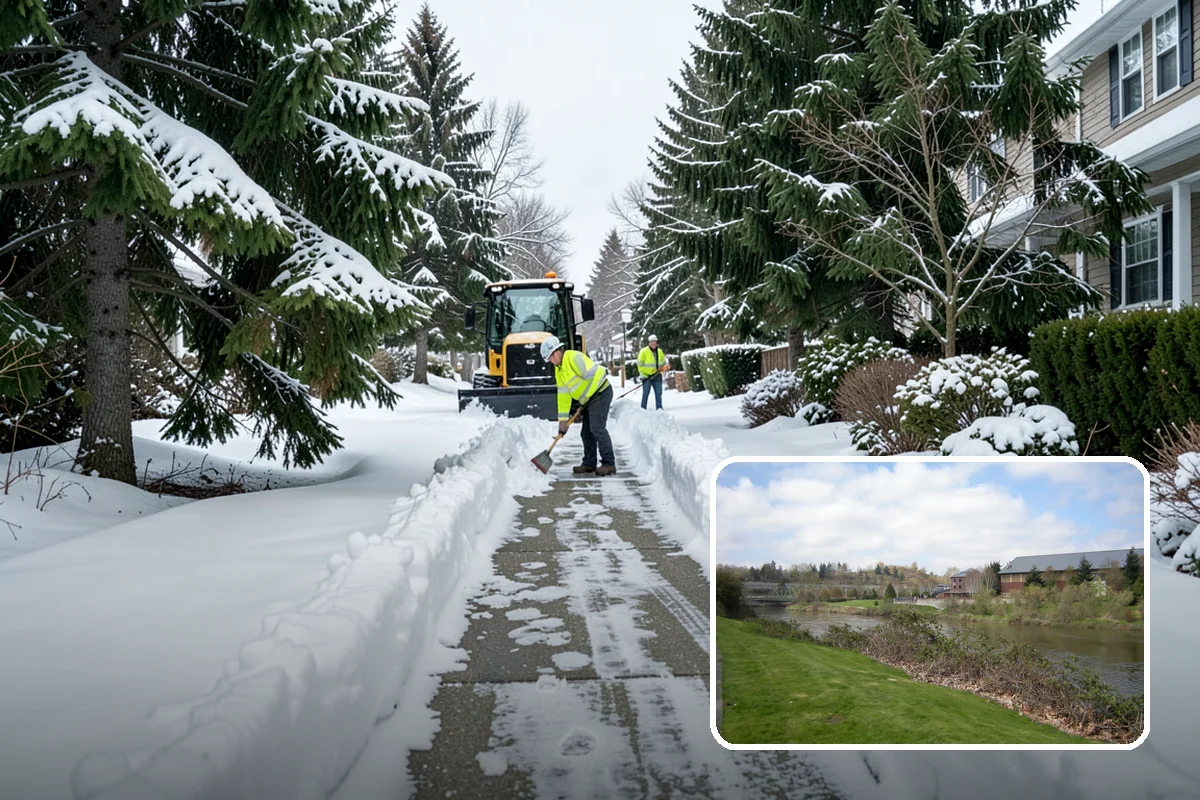
Tukwila
Benefits
Breaks the black ice that forms on asphalt after sunset; Matches deicer type and rate to the actual conditions; Concentrates treatment on sloped, high-traction-need areas; Avoids over-application that runs off into landscaping