Keeping You Moving. Beyond Expectations.

Tukwila Emergency Commercial Snow Removal
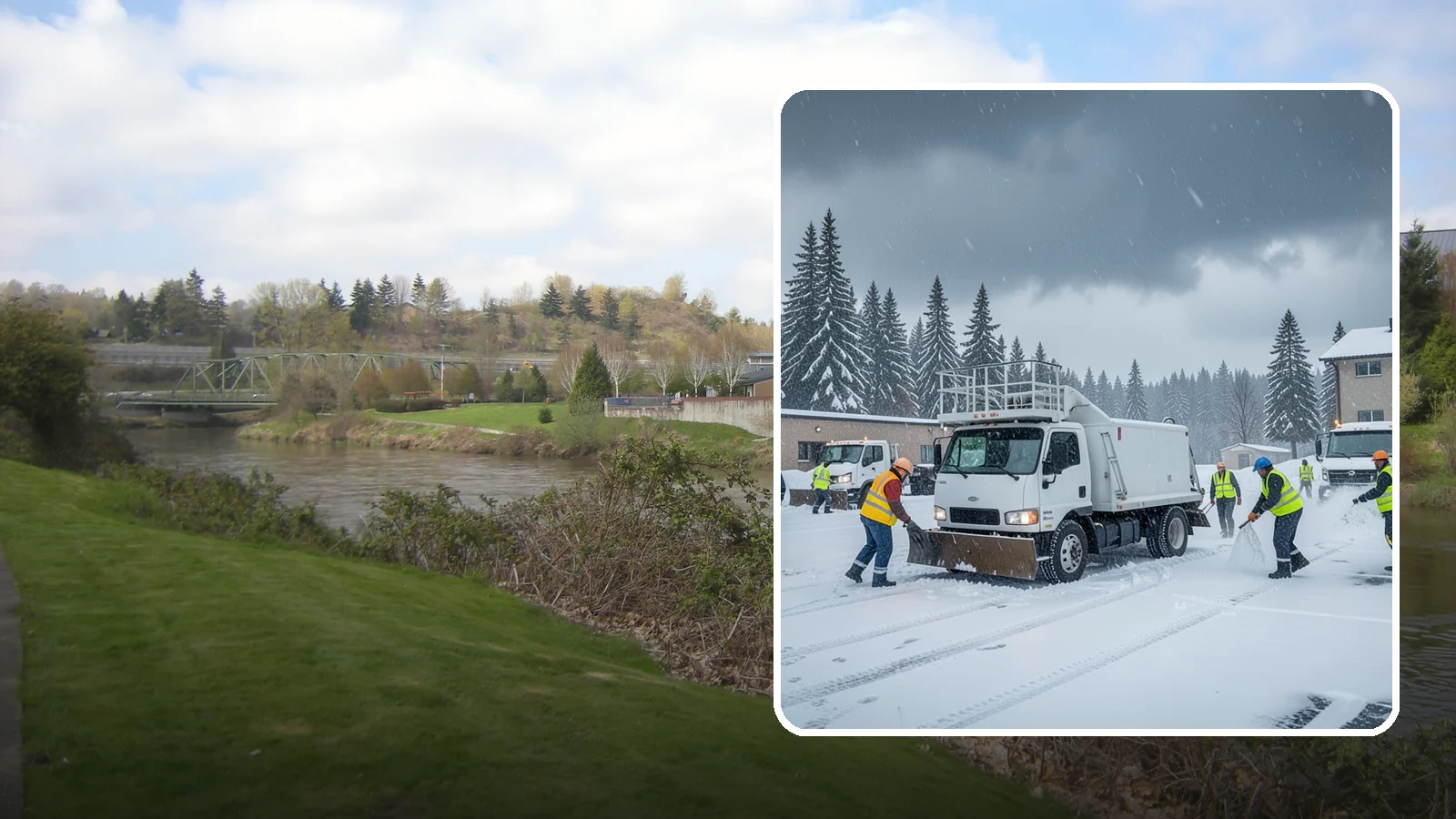
Get rapid, on-call snow and ice response when an unexpected storm threatens to shut down your commercial property.
Tukwila does not see much snow, but when it comes, commercial lots and drive lanes stop working fast. Washington Snow Removal provides emergency commercial snow removal for Tukwila properties from our Bothell yard. We are licensed, bonded and insured.
Call 206-809-9669 to request a dispatch. Work is billed hourly with a 2-hour minimum per dispatch, plus a $275 trip charge for Tukwila (zone B). Equipment, crew and materials are priced separately, so you can see what a call involves before we roll.
How hard Tukwila storms hit
Biggest storms in Tukwila since 2005
- Jan 15–20, 2012: 8.6 in total, 4.9 in on the biggest day
- Dec 26–31, 2021: 8.5 in total, 3.3 in on the biggest day
- Feb 5–6, 2017: 7.6 in total, 6.1 in on the biggest day
Sources: NOAA and National Weather Service records for Tukwila, 2005–2026.
Emergency Snow Removal for Tukwila Commercial Properties
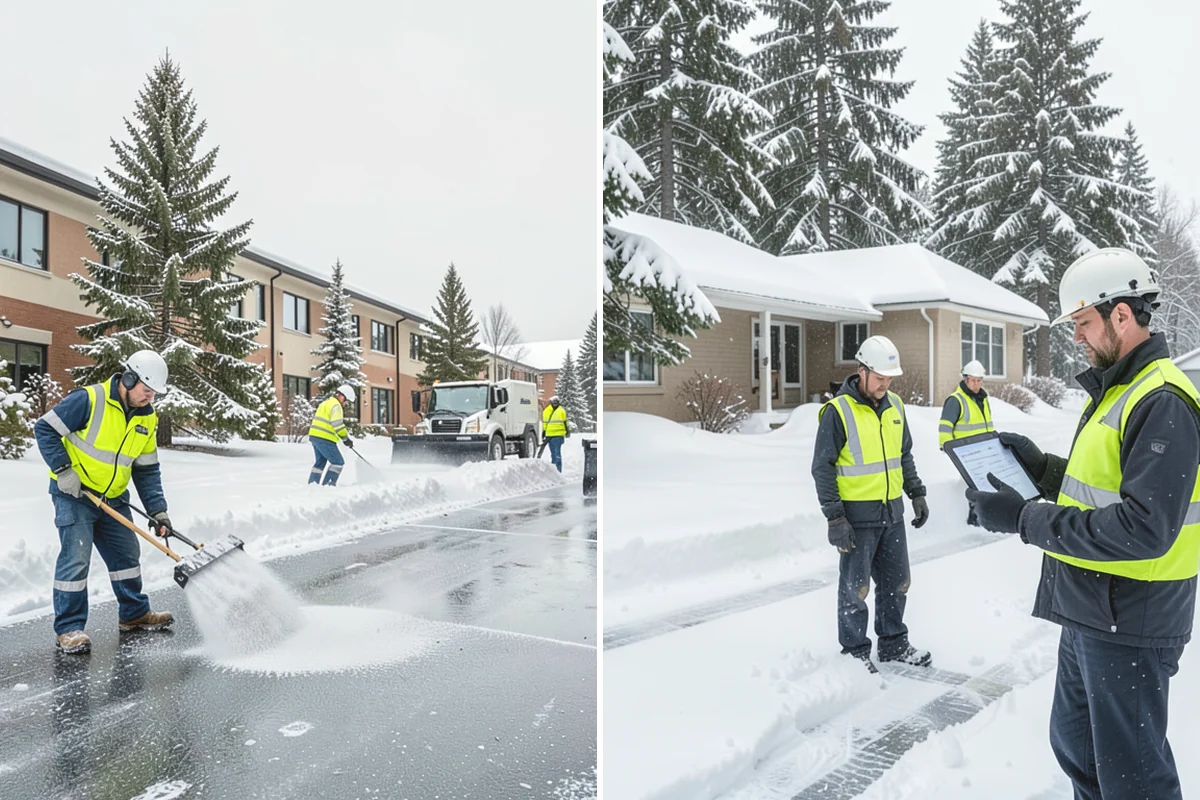
Emergency service at a commercial property means clearing what blocks business: entrances, loading areas, drive lanes, parking stalls and sidewalks. Tukwila is 46 minutes from our Bothell yard, and each dispatch has a 2-hour minimum.
The local pattern shapes the work. Tukwila averages 5.4 in of snow per season and only 1.8 days a year with 1 in or more. Winter Weather Advisories average 3.29 a year. Yet the larger storms can be significant. Since 2005 the biggest were Jan 15–20, 2012 with 8.6 in total, Dec 26–31, 2021 with 8.5 in, and Feb 5–6, 2017 with 7.6 in, including 6.1 in on the biggest day. Seattle Tacoma Ap recorded 20.0 in in a single day in 1950.
Ice is a steady concern too. Tukwila has 26 freezing nights from Oct to Apr, so wet pavement can refreeze after the snow is gone.
Our rates for emergency work:
- Plow truck with driver (Ram 3500): $250 / hour
- Plow and spreader truck with driver (Ram 5500): $325 / hour
- Compact track loader with operator (Kubota SCL1000): $175 / hour
- Crew member for shoveling, sidewalks and hand work: $110 / person-hour
- Ice melt, bagged: $45 / 50 lb bag
- Bulk salt, applied: $300 / ton
Prices in Tukwila
Billed by the hour for the crew and equipment on site, plus materials.
| Plow truck with driver (Ram 3500) | $250 / hour |
| Plow and spreader truck with driver (Ram 5500) | $325 / hour |
| Compact track loader with operator (Kubota SCL1000) | $175 / hour |
| Crew member (shoveling, sidewalks, hand work) | $110 / person-hour |
| Ice melt, bagged | $45 / 50 lb bag |
| Bulk salt, applied | $300 / ton |
| Trip charge for Tukwila (zone B) | $275 / dispatch |
- 2-hour minimum per dispatch.
- Tukwila is 46 minutes from our Bothell yard.
Prices approved Oct 2026.
Service Area
Tukwila
Benefits
Rapid mobilization for unexpected storms; Priority clearing of mission-critical access; Fast treatment of sudden hazardous surfaces; Reduced downtime and liability during surprise events