Roof Snow Removal in University Place: What to Expect
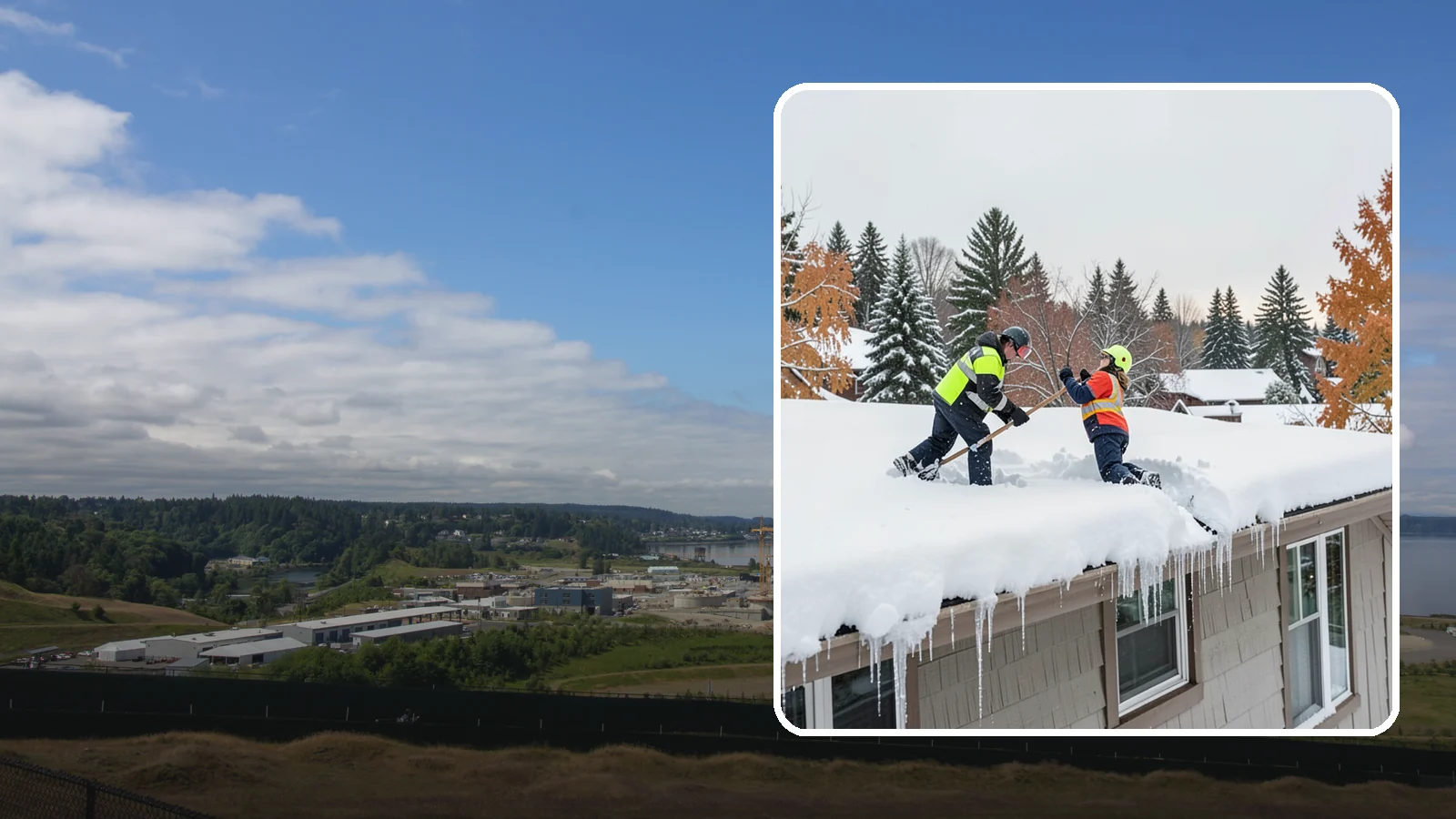
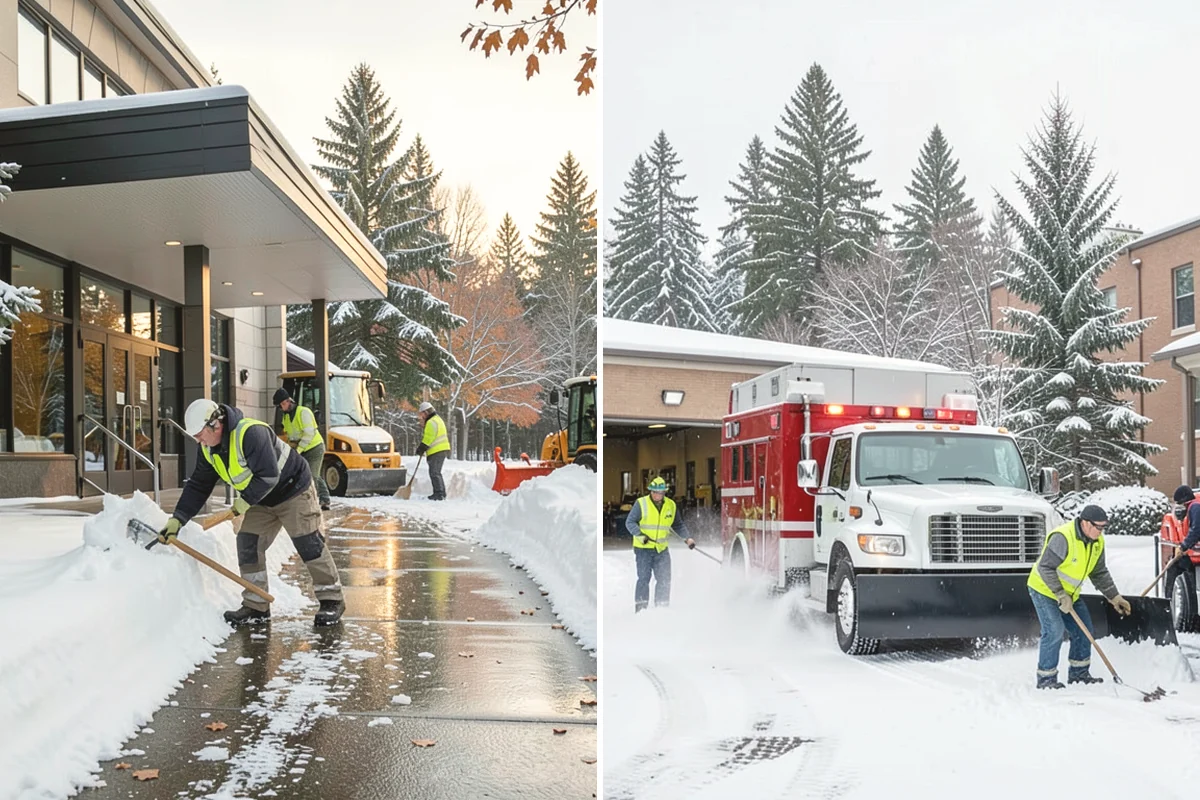
Roof snow removal means taking snow off a roof by hand, in a way that protects the roofing, gutters and vents. Crew members work with shovels and hand tools. They also clear the walkways and entries below so fallen snow does not block the way in or out.
University Place gets little snow in most winters. The average is 5.4 in a season, and only about 1.5 days a year bring 1 in or more. But the big storms matter. Jan 15-20, 2012 left 10.8 in in total. Feb 5-6, 2017 left 9.0 in, with 7.2 in on the biggest day. Dec 21-22, 2008 brought 8.2 in. The snowiest season, 2008-09, reached 15.5 in.
The city also has 36 freezing nights between October and April. Snow that melts by day can refreeze at night. That can leave ice at eaves and gutters after a storm is over.
Because snow is rare here, jobs tend to come up fast and are tied to a single storm. Here is how pricing works:
- Crew member (shoveling, sidewalks, hand work): $110 per person-hour
- Trip charge for University Place (zone C): $350 per dispatch
Call 206-809-9669 and we will talk through your roof and the forecast.