Keeping You Moving. Beyond Expectations.

Woodinville Frozen Drain Clearing
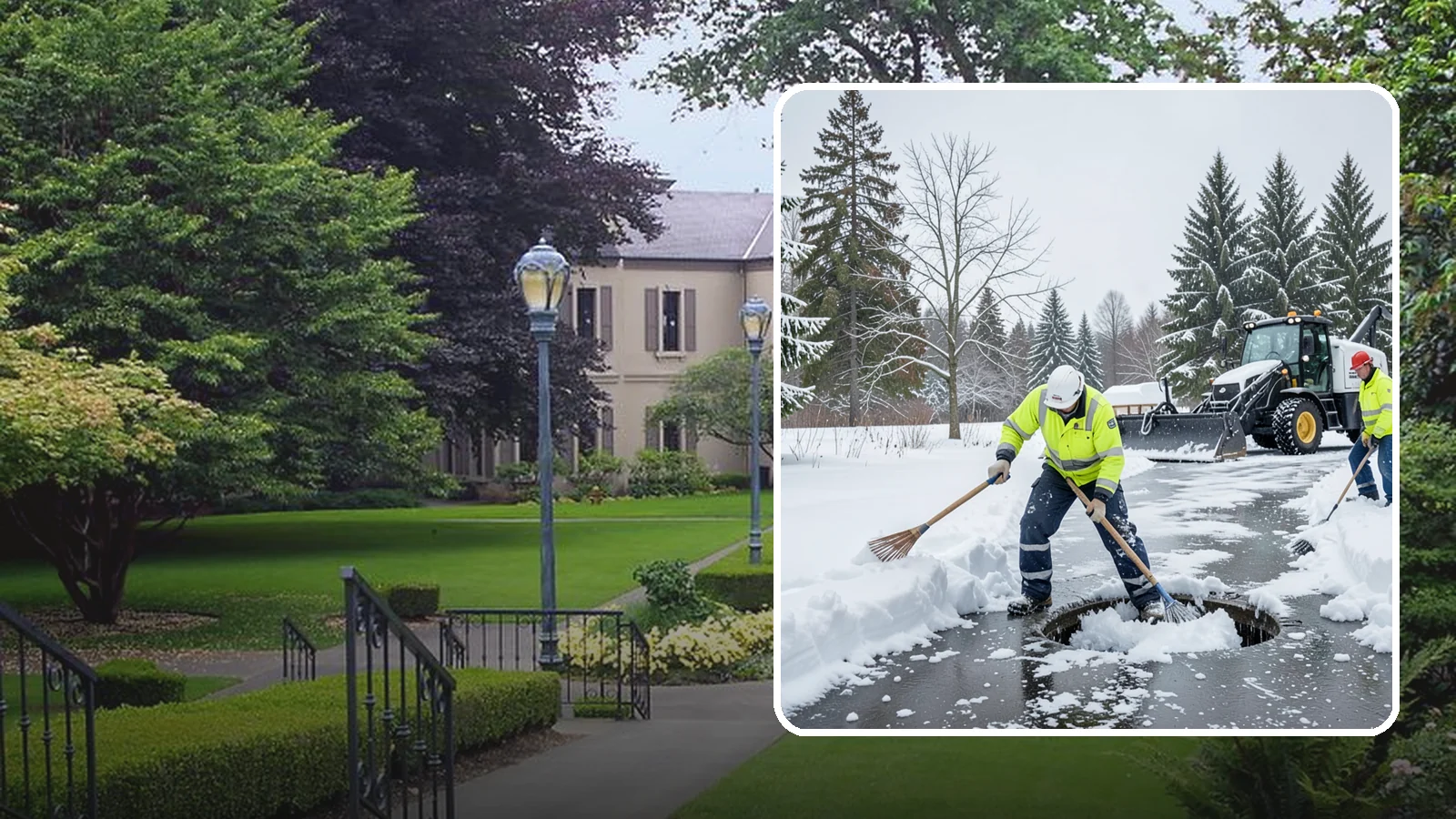
We clear frozen catch basins and drains across Western Washington to stop pooling and flooding when ice blocks water from draining away.
Frozen drains cause trouble in Woodinville even in a mild winter. Woodinville sees about 32 freezing nights between October and April. Meltwater from a light snow can refill a blocked catch basin, downspout or driveway drain and turn into ice overnight.
Washington Snow Removal is based in Bothell, 17 minutes from Woodinville. We clear frozen drains by hand so water can leave your property. We are licensed, bonded and insured. Call 206-809-9669 to set up a visit.
How often Woodinville pavement freezes
Average snowfall by month in Woodinville
Ice storms and freezing rain near Woodinville
- Dec 23, 2022: Ice Storm; Freezing Rain reported at 2 NW Woodinville; Freezing Rain reported at Kenmore; Freezing Rain reported at 1 NE Bothell; Freezing Rain reported at 1 NNE Bothell; Freezing Rain reported at Woodinville
Sources: NOAA and National Weather Service records for Woodinville, 2005–2026.
Frozen Drain Clearing in Woodinville, WA
Frozen drain clearing means opening the spots where water leaves your property so it does not sit and refreeze. Our crew works by hand. This is labor, so it is billed at the crew member rate of $110 per person-hour. Woodinville is in zone A, so the trip charge is $200 per dispatch.
Woodinville does not get much snow. The average is 8.8 inches a season, and snow lies on the ground about 7 days a year. Only about 2.7 days a year bring 1 inch or more. Just 1.3 days a year stay below freezing all day. The problem is the cycle: water runs by day, and the 32 freezing nights from October to April freeze it again where it pools.
Ice events add to this. On Dec 23, 2022, freezing rain was reported at Woodinville, Kenmore and northeast of Bothell. Freezing rain can seal a drain grate quickly. The area also averages 4.29 Winter Weather Advisories a year, so a few cold spells are likely each season.
Ice near a drain often spreads onto walkways. Under WMC 12.06.020, the owner of property abutting a public sidewalk must keep it safe and free of ice and snow at all times. Typical work includes:
- Clearing ice from grates and catch basins
- Opening downspout outlets and driveway drains
- Removing ice that has spread onto nearby walkways
Prices in Woodinville
Billed by the hour for the crew and equipment on site, plus materials.
| Crew member (shoveling, sidewalks, hand work) | $110 / person-hour |
| Trip charge for Woodinville (zone A) | $200 / dispatch |
- Woodinville is 17 minutes from our Bothell yard.
Prices approved Oct 2026.
Service Area
Woodinville
Benefits
Restores drainage before water pools and refreezes; Prevents sheet-ice hazards from backed-up water; Protects entrances and low areas from flooding; Fast response to a problem unique to the region’s wet freezes