Keeping You Moving. Beyond Expectations.

Woodinville Municipal Snow Hauling
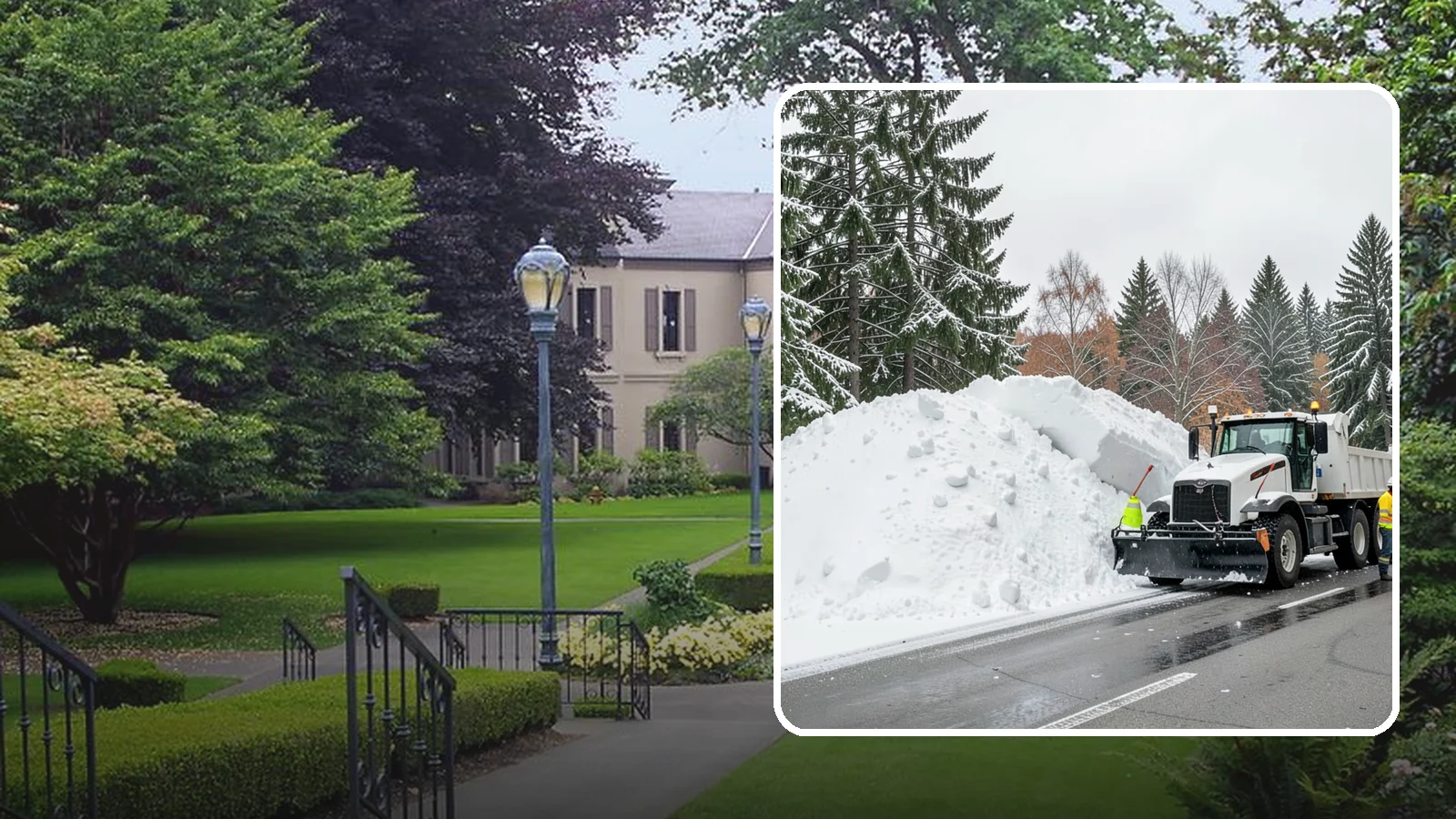
We support Western Washington municipalities by hauling snow from streets, civic lots, and transit areas after major events.
Municipal snow hauling in Woodinville means moving piled snow off lots, walks and entrances so public buildings stay open and usable. Woodinville has 4 government buildings, courthouses and post offices on the map, including Woodinville City Hall and the Woodinville Post Office.
Washington Snow Removal is based in Bothell, 17 minutes from Woodinville. We are licensed, bonded and insured. Call 206-809-9669 to talk through your site. Rates are listed below, with a 2-hour minimum per dispatch.
Planning a Woodinville snow season
Average snowfall by month in Woodinville
Biggest storms in Woodinville since 2005
- Feb 11–13, 2019: 14.4 in total, 7.4 in on the biggest day
- Jan 14–20, 2012: 12.2 in total, 4.0 in on the biggest day
- Feb 3–6, 2025: 10.2 in total, 5.5 in on the biggest day
Sources: NOAA and National Weather Service records for Woodinville, 2005–2026.
Municipal Snow Hauling in Woodinville: How It Works Here
Woodinville does not see much snow in an average season. The average is 8.8 in, and only 2.7 days a year bring 1 in or more. An average season has 2.71 plow events. But the big storms are large. Feb 11–13, 2019 brought 14.4 in, with 7.4 in on the biggest day. Jan 14–20, 2012 brought 12.2 in, and Feb 3–6, 2025 brought 10.2 in.
That pattern matters at public sites. Plowing pushes snow into piles, and piles can block parking stalls, walks and entrances. Hauling clears that snow away once there is nowhere left to stack it. The area also has 32 freezing nights from Oct to Apr and 3.1 light-snow days that need deicing, so ice control is part of the picture too.
Typical work at a municipal site includes:
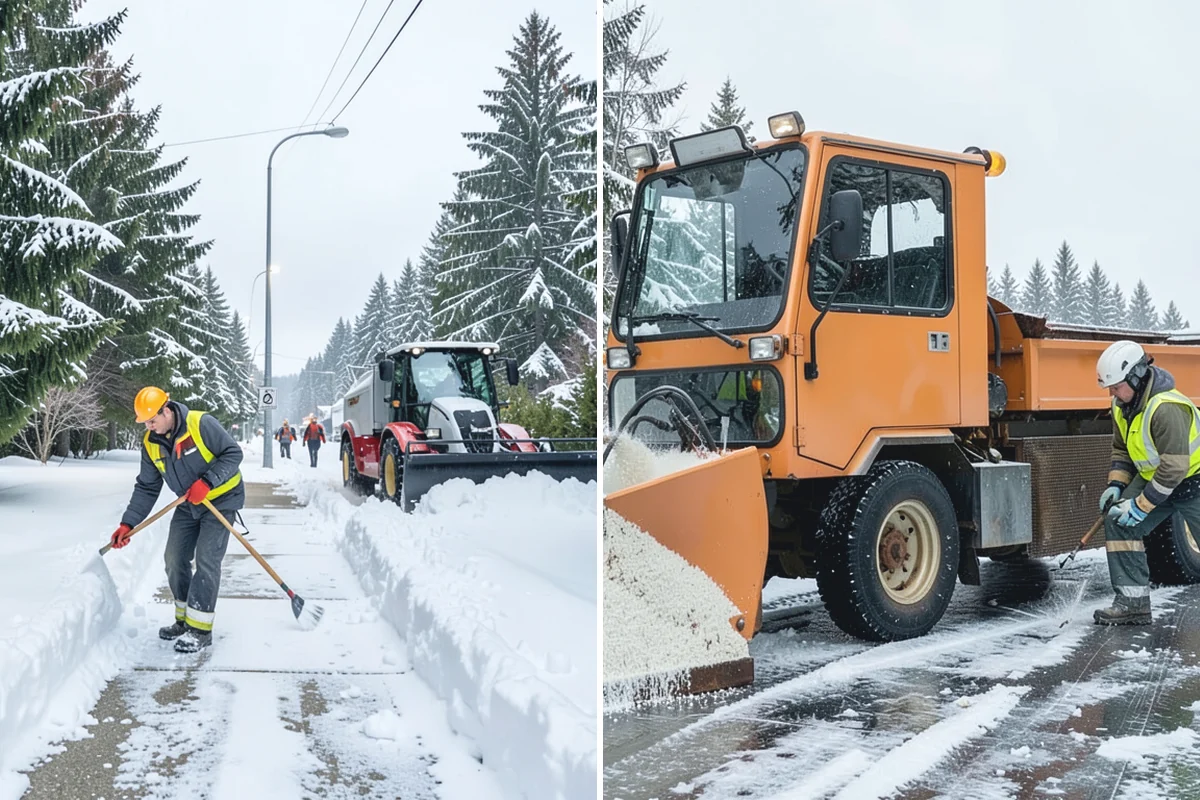
- Plowing and spreading lots with a Ram 5500 truck
- Moving and loading piles with a Kubota SCL1000 compact track loader
- Hand shoveling of sidewalks and entrances
Pricing: plow and spreader truck with driver is $325 / hour. Compact track loader with operator is $175 / hour. A crew member is $110 / person-hour. The trip charge for Woodinville (zone A) is $200 / dispatch.
Prices in Woodinville
Billed by the hour for the crew and equipment on site, plus materials.
| Plow and spreader truck with driver (Ram 5500) | $325 / hour |
| Compact track loader with operator (Kubota SCL1000) | $175 / hour |
| Crew member (shoveling, sidewalks, hand work) | $110 / person-hour |
| Trip charge for Woodinville (zone A) | $200 / dispatch |
- 2-hour minimum per dispatch.
- Woodinville is 17 minutes from our Bothell yard.
Prices approved Oct 2026.
Government buildings, courthouses and post offices in Woodinville
Woodinville has 4 government buildings, courthouses and post offices on the map, each with lots, walks or entrances to keep clear.
- Pony Mailbox & Business Center
- The UPS Store
- Woodinville City Hall
- Woodinville Post Office
Source: OpenStreetMap contributors, Oct 2026. Named sites are examples of local facilities, not customers.
Service Area
Woodinville
Benefits
Adds hauling capacity when city resources are stretched; Clears priority streets, civic lots, and transit stops; Works under municipal direction and priorities; Supports agencies not staffed for major events