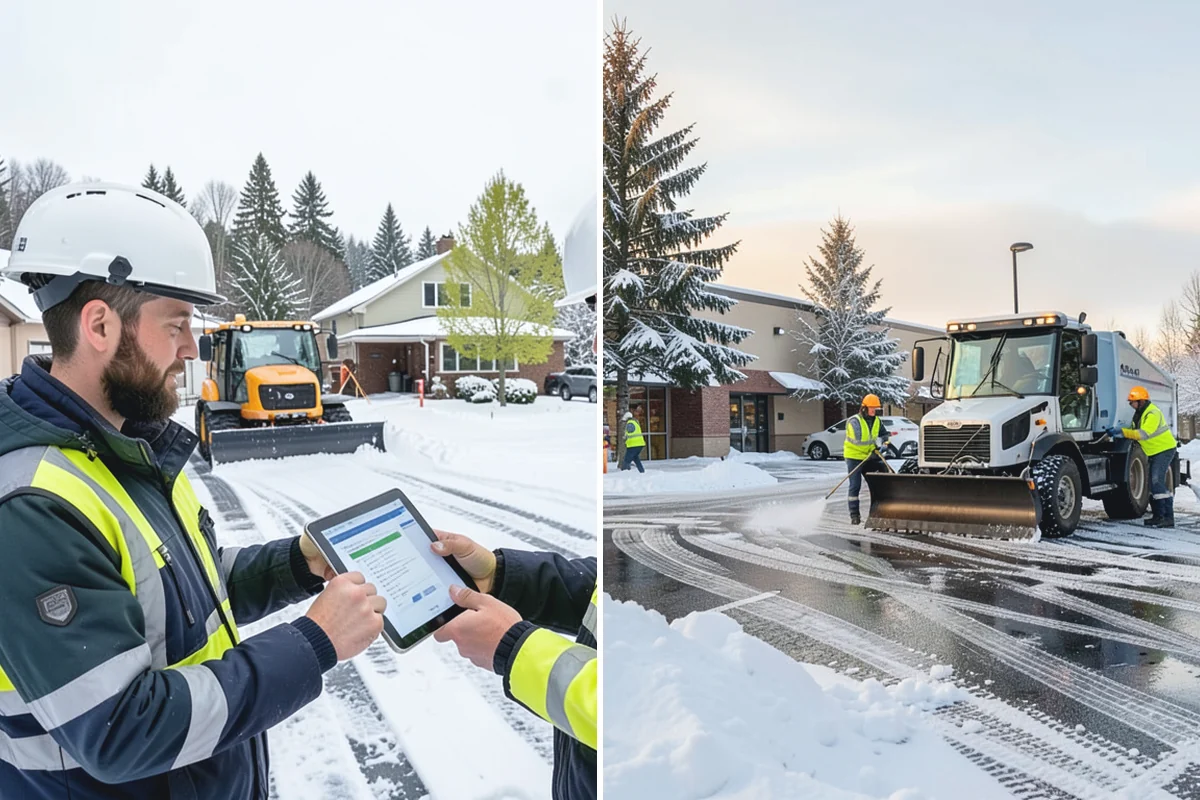
Keeping You Moving. Beyond Expectations.

Woodinville Transit Center Snow Removal
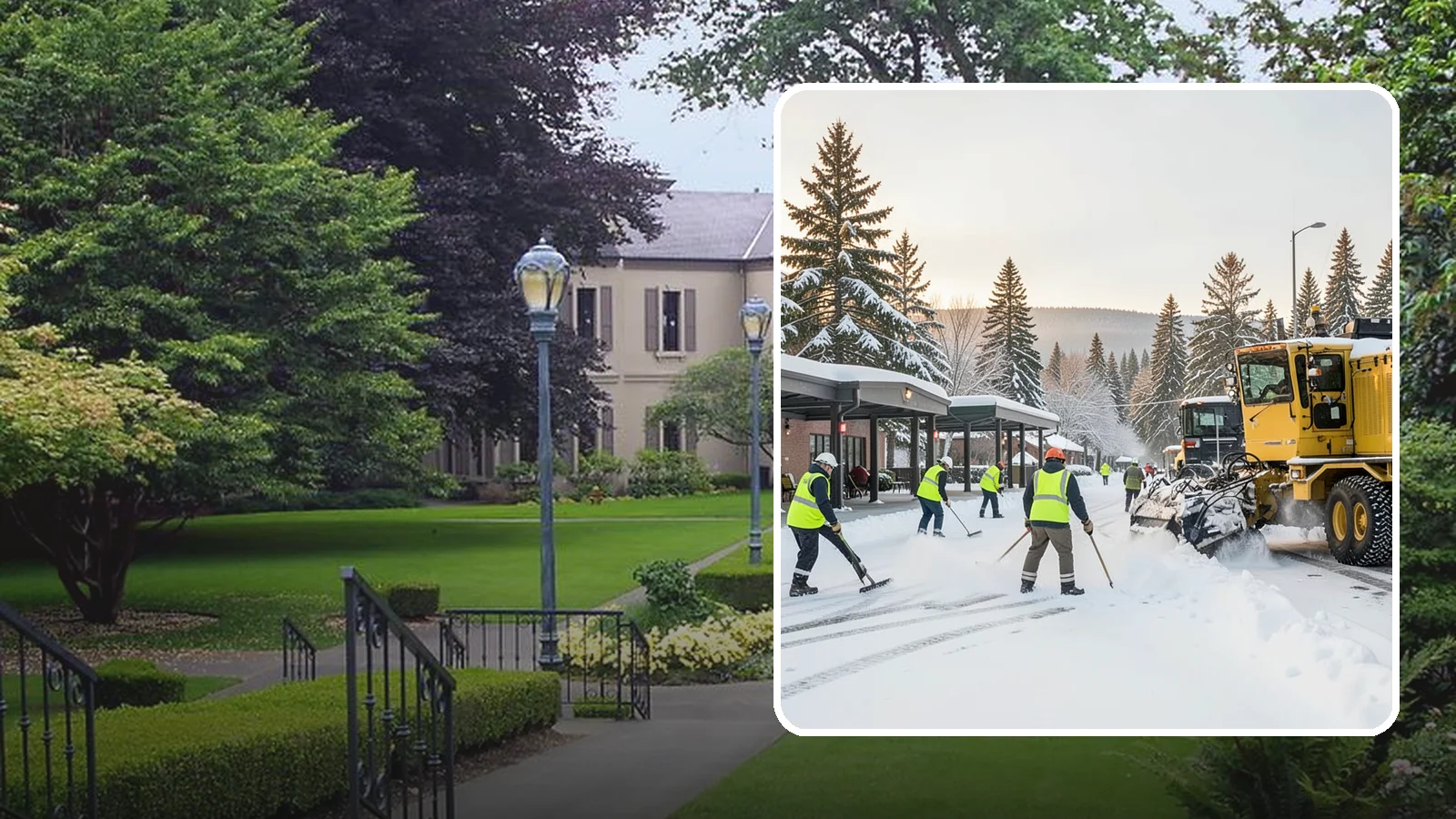
Keep buses loading and riders safe by clearing transit bays, boarding platforms, and passenger walkways before the morning commute.
Washington Snow Removal clears snow and ice at transit centers in Woodinville, WA. OpenStreetMap lists 1 transit center or station inside city limits, the Woodinville Park and Ride. We work from our Bothell yard, 17 minutes away, and we are licensed, bonded and insured.
Woodinville averages 8.8 in of snow a season, and 32 nights from October to April fall below freezing. Riders need clear walkways, bus bays and stairs even when the snow is light. Call 206-809-9669 to set up service.
What a Woodinville winter means for your lot
Recent winter storm and ice events logged for the Woodinville area
- Dec 26, 2021: Heavy Snow
- Jan 12, 2020: Winter Storm
- Feb 8, 2014: Heavy Snow
Sources: NOAA and National Weather Service records for Woodinville, 2005–2026.
What Transit Center Snow Removal Involves in Woodinville
A transit center has more surface to keep safe than most commercial sites. Riders walk from parking to platforms and shelters, and buses need open lanes. Our work follows that flow.
- Plowing drive lanes, bus bays and parking rows with a Ram 3500 plow truck at $250 per hour
- Spreading on larger lots with a Ram 5500 plow and spreader truck at $325 per hour
- Clearing around shelters and tight corners with a Kubota SCL1000 compact track loader at $175 per hour
- Hand shoveling of sidewalks, stairs and shelter entrances by crew members at $110 per person-hour
- Ice melt at $45 per 50 lb bag, or bulk salt applied at $300 per ton
Woodinville sees only 2.7 days a year with 1 in or more of snow, so most winters call for a few visits. Still, the area has logged 27 winter storm and heavy snow reports since 2005, and the biggest single day reached 7.4 in. Recent events include Heavy Snow on Dec 26, 2021, a Winter Storm on Jan 12, 2020, and Heavy Snow on Feb 8, 2014.
Because 32 nights a year are freezing, ice often matters more than depth. Each dispatch has a 2-hour minimum and a $200 trip charge for Woodinville (zone A).
Prices in Woodinville
Billed by the hour for the crew and equipment on site, plus materials.
| Plow truck with driver (Ram 3500) | $250 / hour |
| Plow and spreader truck with driver (Ram 5500) | $325 / hour |
| Compact track loader with operator (Kubota SCL1000) | $175 / hour |
| Crew member (shoveling, sidewalks, hand work) | $110 / person-hour |
| Ice melt, bagged | $45 / 50 lb bag |
| Bulk salt, applied | $300 / ton |
| Trip charge for Woodinville (zone A) | $200 / dispatch |
- 2-hour minimum per dispatch.
- Woodinville is 17 minutes from our Bothell yard.
Prices approved Oct 2026.
Transit centers and stations in Woodinville
OpenStreetMap lists 1 transit centers and stations inside Woodinville city limits.
- Woodinville Park and Ride
Source: OpenStreetMap contributors, Oct 2026. Named sites are examples of local facilities, not customers.
Service Area
Woodinville
Benefits
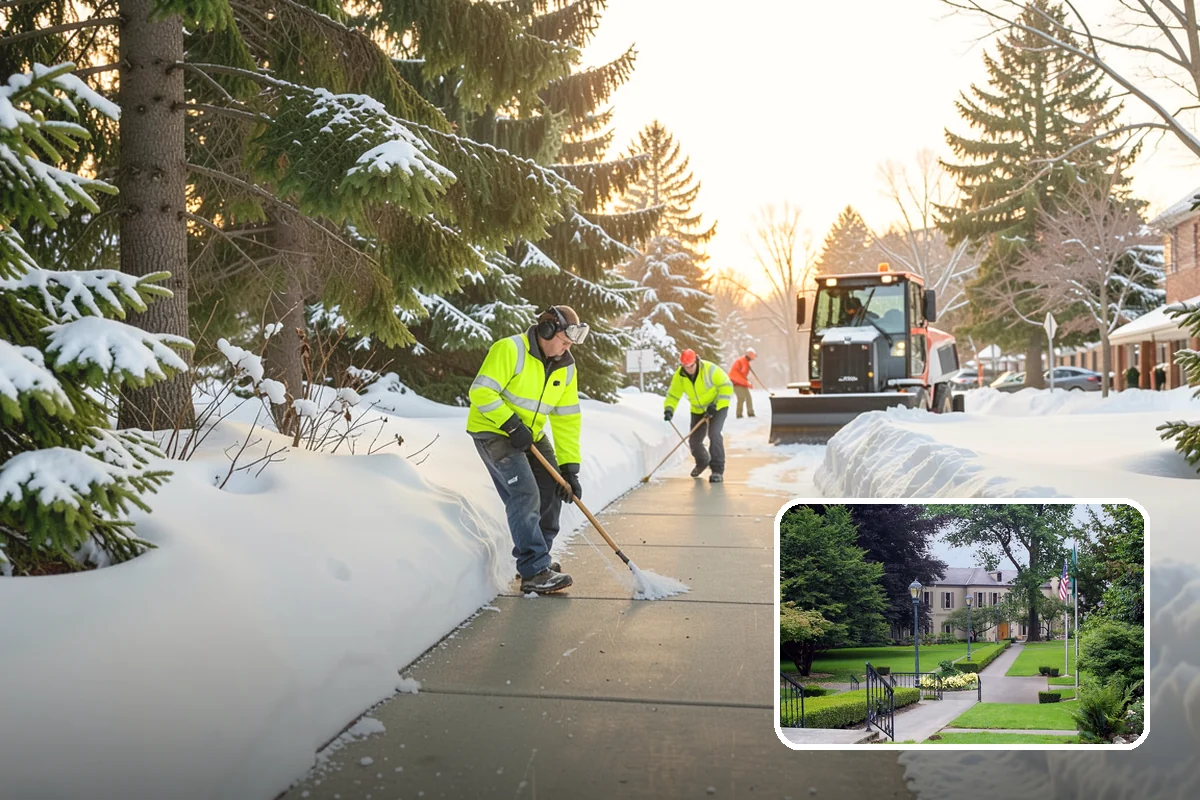
Bus bays and boarding islands cleared first; Platform edges and shelter approaches de-iced; Pre-dawn readiness for the morning commute; Coordination around active bus movements; Safer footing for high-volume rider traffic