Boardwalk snow clearing in Yarrow Point: what it involves
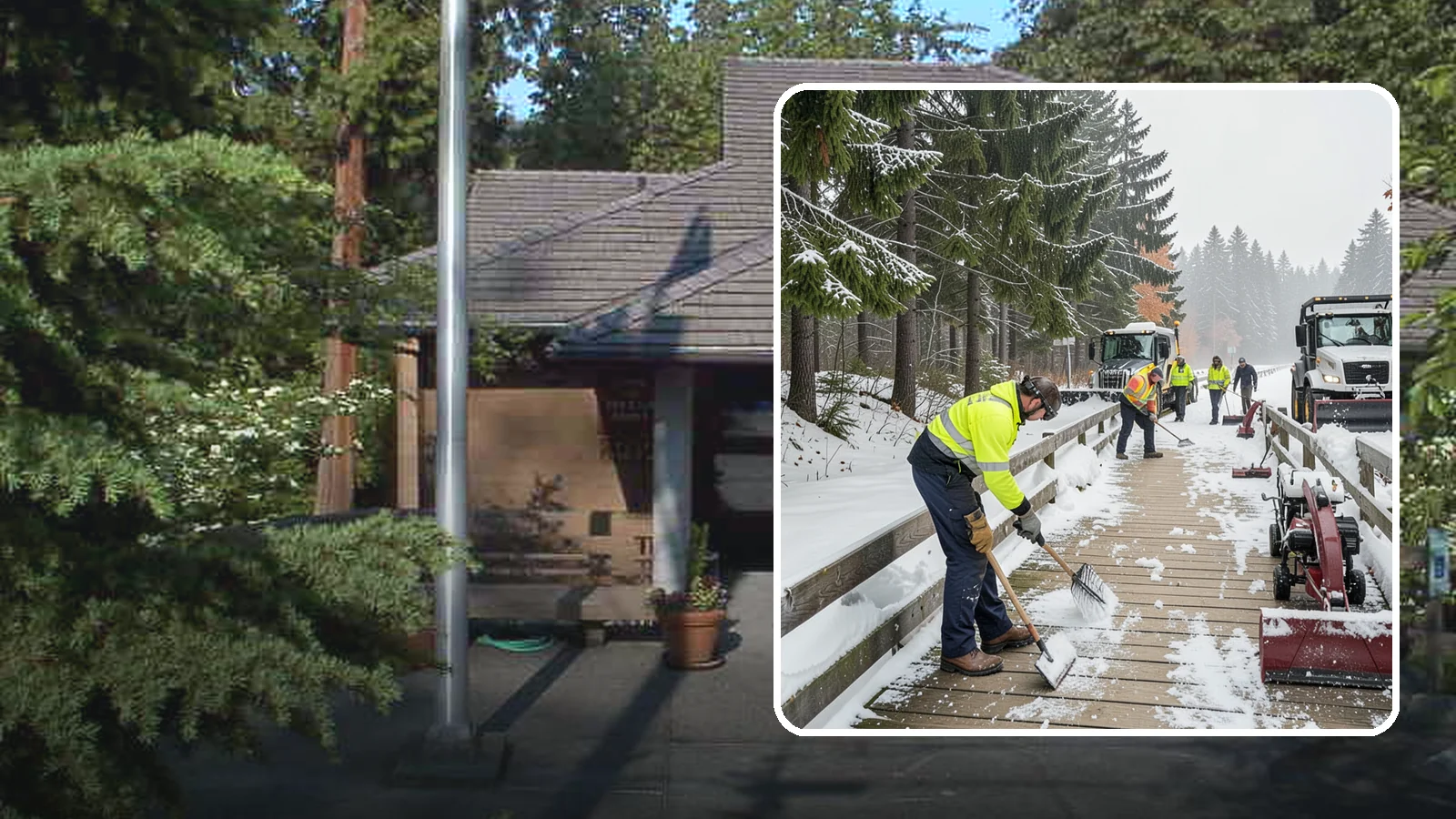
Boardwalk work is hand work. A crew member shovels and sweeps the planks, working along the grain so boards and fasteners are not damaged. We do not run heavy equipment on decking. Narrow walkways and steps get the same attention as the main run.
Yarrow Point sees about 1.7 days a year with 1 in or more of snow, and only 3 days a year with snow on the ground. Yet 67% of winters have at least one 1-inch day. There are also 28 freezing nights between October and April, and about 3.22 light-snow days a year that need deicing. On a boardwalk, a light dusting or frost often matters more than depth.
Past storms show the range. Feb 8-12, 2019 brought 10.1 in in total, with 4.5 in on the biggest day. Dec 26-31, 2021 brought 7.1 in.
What a visit can include:
- Shoveling and sweeping of planks, ramps and steps
- Bagged ice melt applied where needed
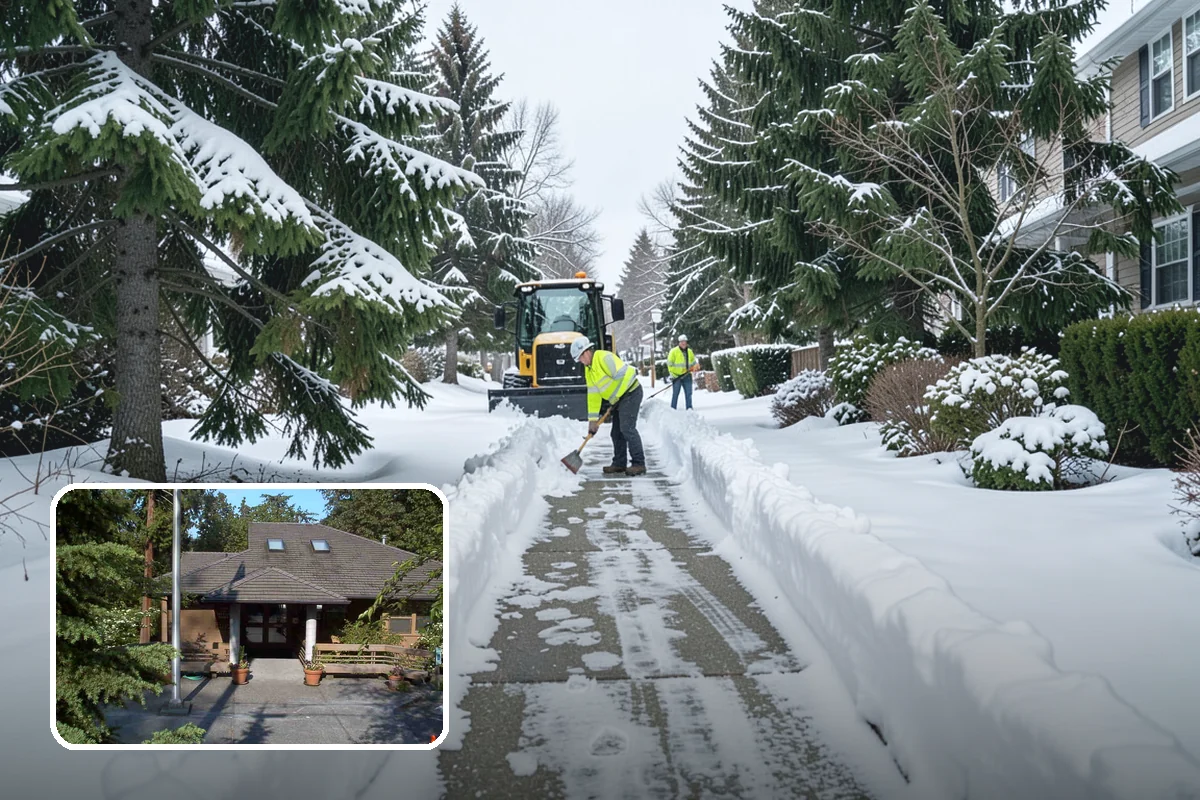
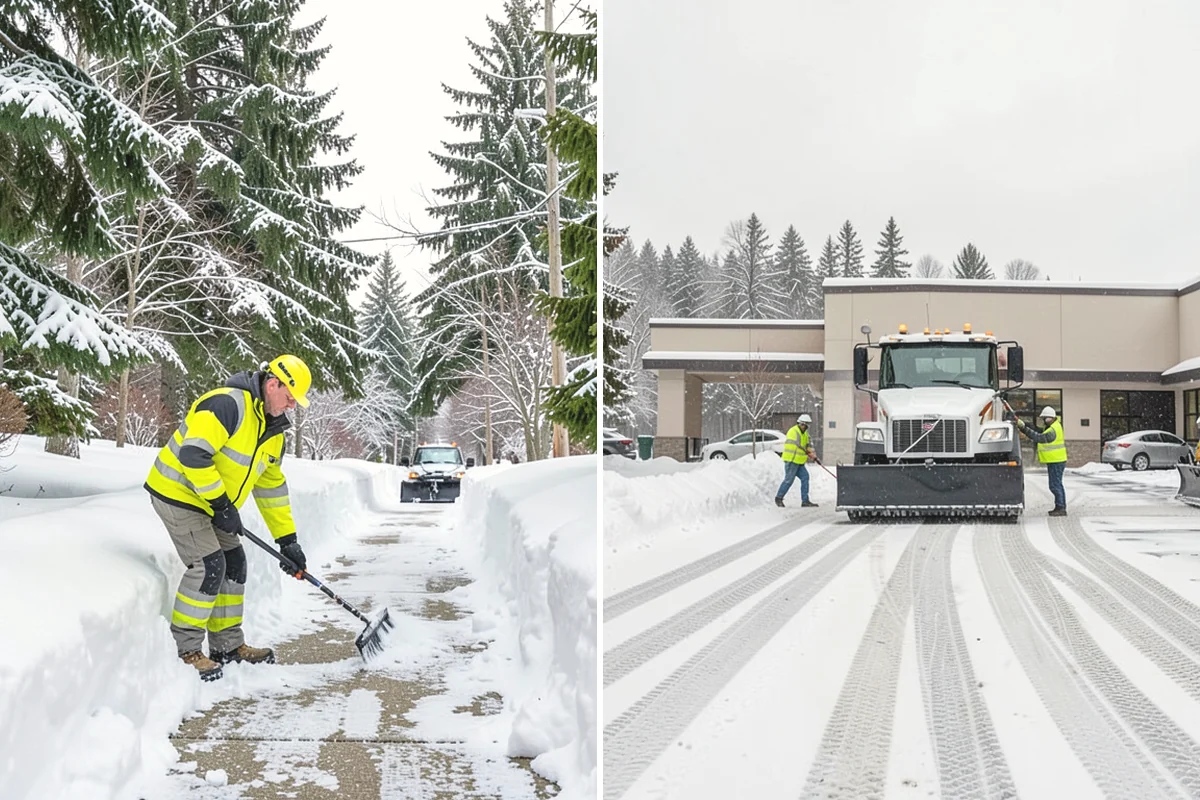
- Clearing of landings and the path to the street
Rates: crew member $110 per person-hour, ice melt $45 per 50 lb bag, and a $200 trip charge per dispatch for Yarrow Point (zone A). There is a 2-hour minimum per dispatch.