Roof Valley Clearing in Milton, WA: What the Job Involves
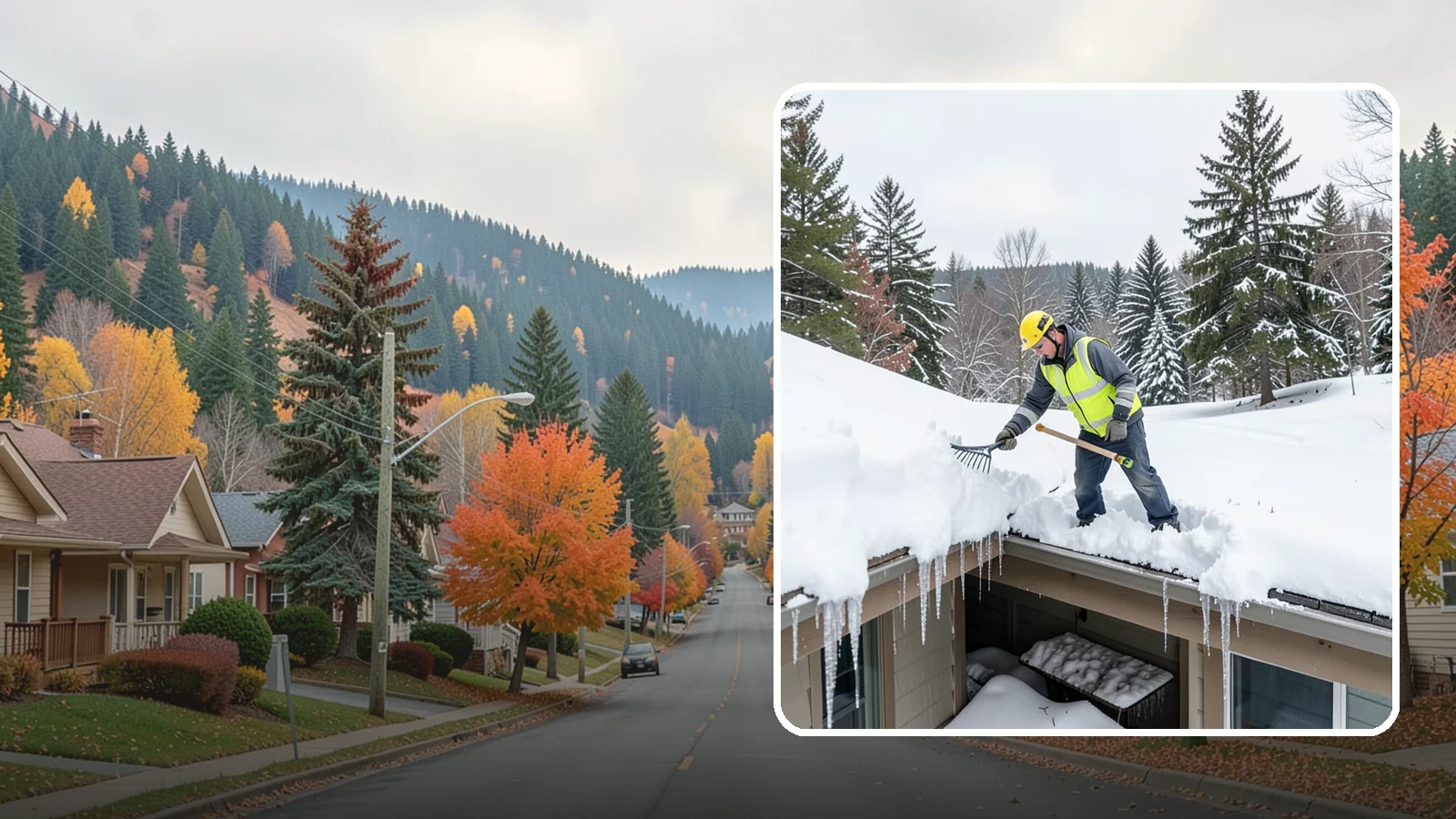
Roof valley clearing means removing snow and ice from the channels where roof planes meet. These spots collect the most snow. They also drain meltwater, so ice there can block the flow and push water toward the roofing.
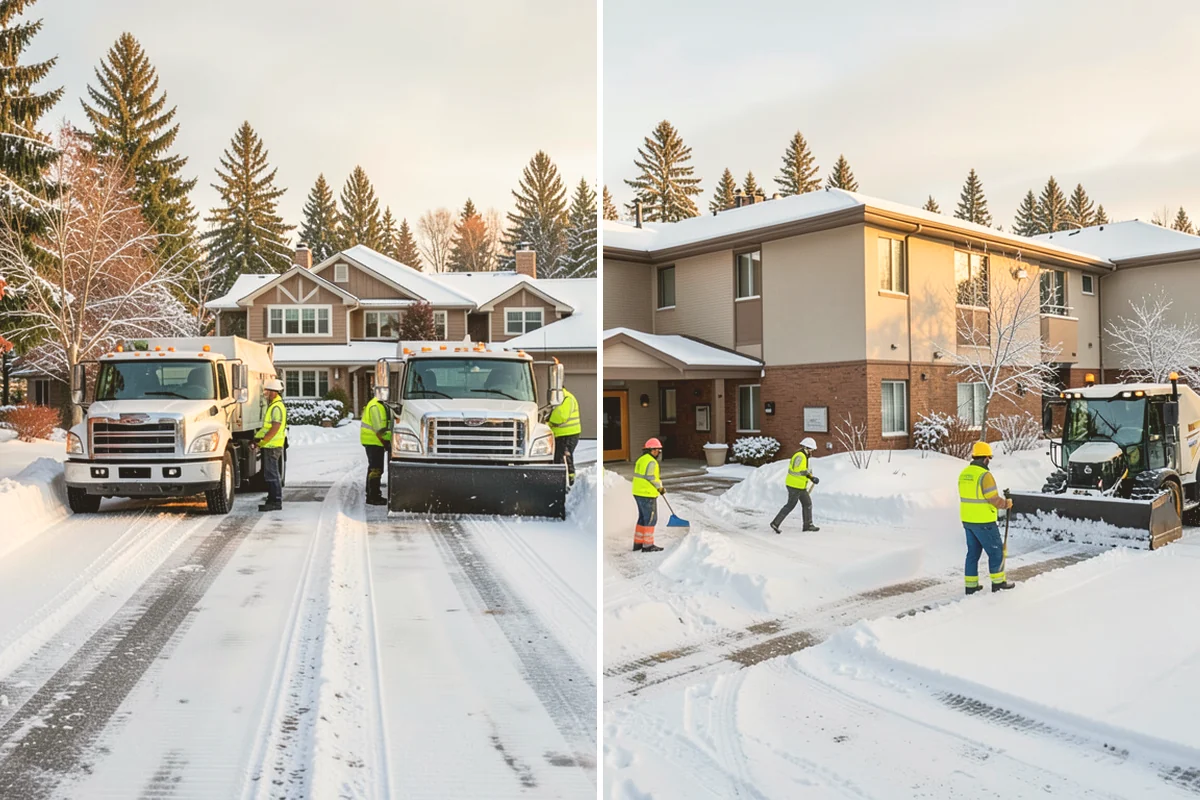
Our crew works by hand. Hand work is billed at $110 per person-hour. Each dispatch to Milton, which is pricing zone C, carries a $350 trip charge.
Milton does not get snow often. The area averages 6.1 in per season and has snow on the ground about 4 days a year. Days with 1 in or more happen about 1.9 times a year. Heavy-snow days of 4 in or more are rare, at 0.29 a year.
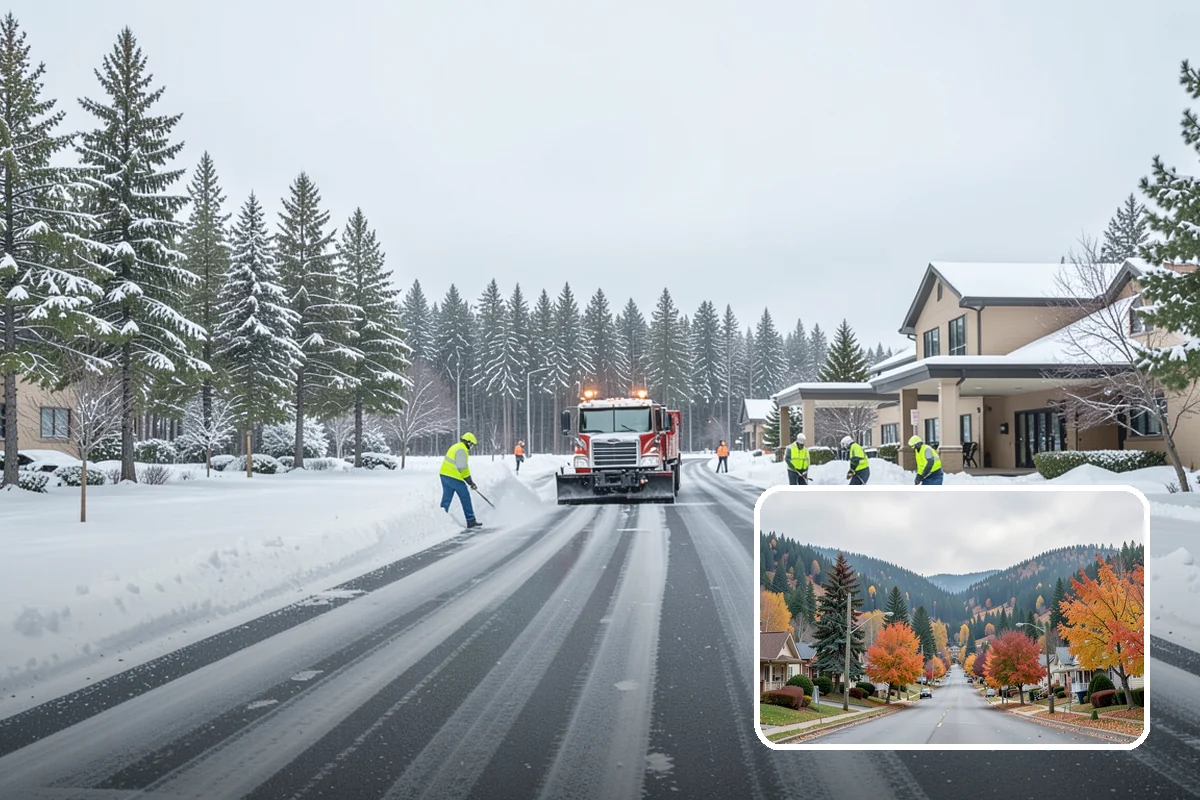
The pattern still matters. The snowiest season, 2011-12, brought 14.5 in. Spotters near Milton reported 9.5 in at Federal Way on Feb 14, 2021, and 6.8 in on Feb 6, 2017. Milton also has about 28 freezing nights from October to April. Snow that melts by day can refreeze in a valley overnight.
A typical visit includes:
- Checking each valley for packed snow and ice
- Hand clearing the valley channels
- Leaving the roof surface as undisturbed as we can
Because storms here are infrequent, most calls come after a single event. Call 206-809-9669 to set up a visit.